Buying a home, getting ready to sell or simply planning the year’s upkeep can all bring the chimney into focus. An inspection report might mention it, or a neighbor might point out something odd on the roof. People in Chilliwack who search for “chimney ash dump services” at moments like these want straight facts, and that is what this page offers: a calm, practical look at ash dump service, what it involves and how to plan for it sensibly.

Sometimes yes, often no, and the deciding factor is whether the damage touches the path the smoke takes. A chipped brick on the outside of the stack is not going to change how the fire drafts tonight. A broken flue tile, a liner with gaps, a crown that lets rain pour into the flue or a fan that has stopped running can. When we are asked this on the phone, we usually suggest leaving the fireplace or stove cold until the chimney has been checked. A few quiet evenings cost nothing, and a carbon monoxide alarm near the bedrooms is cheap protection in any home with a fuel-burning appliance.
Water in an ash pit usually means the chimney above is letting rain in, often through a missing cap, a cracked crown or failing flashing, and the moisture can rust the doors and turn the ash heavy and sour-smelling. Droppings, nesting material or scratching sounds suggest a cleanout door that no longer closes tightly or a gap in the masonry near the ground. Either finding is a reason to look beyond the pit itself. During ash dump service, the technician should trace the source, not just shovel out the mess, so the problem does not return within a season.
Not every repair needs the roof, and when one does, we plan safe access before we arrive. Work at the top of the stack means ladders, roof brackets or harnesses tied to a secure anchor, plus soft-soled footwear and pads to protect shingles. Steep or high roofs may call for extra equipment or a second technician. Wet, icy or very windy weather puts roof work on hold, because no repair is worth a fall. Jobs at the bottom of the chimney, such as an ash dump, a throat damper or a stove connection, keep us indoors, where the main concern is protecting floors and furniture from soot and dust.
Small chimney repairs, such as replacing a cap, sealing a crown or freeing a damper, often take a few hours. Mid-sized jobs like new flashing, a new chase cover or a fan installation usually fit into a day. Larger masonry work, including repointing an entire stack or rebuilding the section above the roof, can take several days, because mortar and concrete need time to set between stages. Weather adds to the schedule for anything done outside, since rain and cold delay masonry. Ask for an estimate of both working time and total calendar time before the job is booked.
Either can be reasonable, and the choice depends on how you use the fireplace. If you burn wood often, a working ash dump saves carrying ash through the house, so repairing a warped door or a rusted frame usually makes sense. If you rarely light fires, or the fireplace now holds gas logs, some owners have the opening closed with a fitted plate or masonry. In that case the pit below should be emptied first and the cleanout door kept closed and sound. Anyone comparing quotes for “chimney ash dump services” can ask for both options and a short explanation of each.

We suggest once a year for most chimneys, with extra visits after anything unusual. A yearly look from the roof and up the flue shows us how earlier repairs are holding and whether anything new has appeared. Events that justify an extra check include a strong windstorm, hail, a lightning strike nearby, a roofer working around the chimney and any time an appliance is added or swapped. A chimney you never use is not exempt; some of the worst weather damage we find is on chimneys nobody has looked at in years, simply because no one noticed the warning signs inside.
A clear hearth, a cold fireplace and room for a ladder cover most of what we need. We lay drop cloths in front of the fireplace, so a few feet of open floor helps, and glass doors or screens may need to come off. Outside, our ladders go on firm, level ground near the chimney; parked cars, garden beds and stored items in that spot slow the setup. We also like to know where the attic hatch or basement access is if the repair could involve them. Pets are happier in a closed room, since we will be going in and out of doors often.
The repairs we make hold up longest when the rest of the chimney system is looked after too. That means a cap that stays in place with clear mesh, a crown kept free of leaves and moss, flashing left alone by anyone doing roof work and regular sweeping if you burn wood, because creosote and moisture attack the inside of the flue. We tell homeowners exactly how long to wait before the first fire after masonry work. After that, a glance at the chimney from the yard after big storms and a professional look once a year usually keeps surprises to a minimum.
Compare the scope first, because most differences we see between quotes come from what is included, not from skill. One company may plan to coat a cracked crown; another may rebuild it. One includes new flashing; another reseals the old metal. Before choosing, line the quotes up and ask each company the same three questions: what exactly is being fixed, what is causing the problem and what is the plan if more damage turns up. The answers usually explain the price gap. A quote that deals with the cause, not just the symptom, generally gives more value over time, even when it is not the lowest figure on the table.
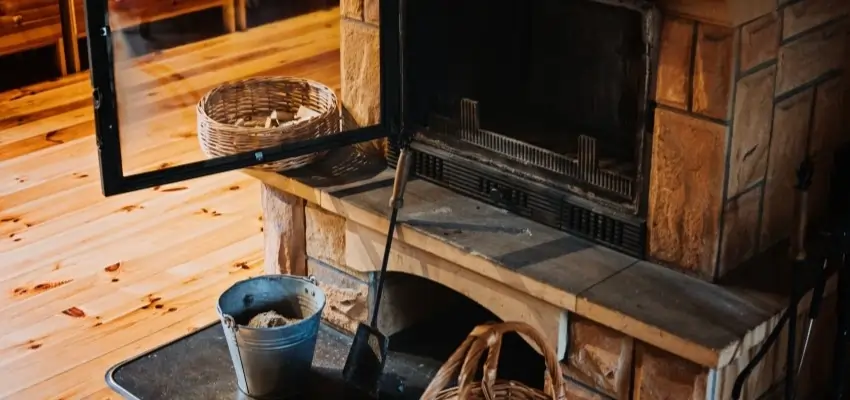
Whether you want to book now or just gather information first, we are glad to help. Ask your questions about ash dump service, your chimney or the timing that suits you. Contact Chimney Sweep Chilliwack for homes across Chilliwack.
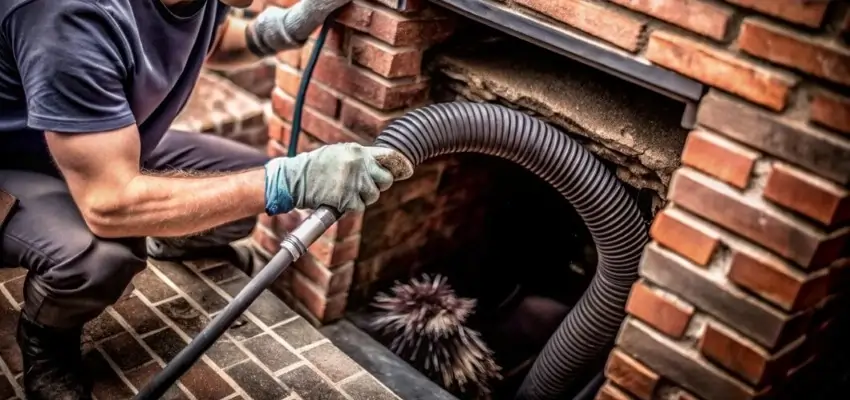
Less smoky smell, steadier flames: Chimney Cleaning around Chilliwack
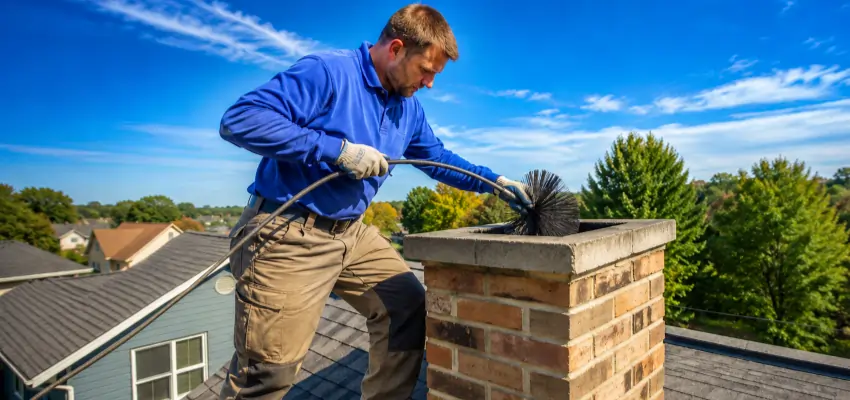
Chimney Sweep visits that leave Chilliwack living rooms clean
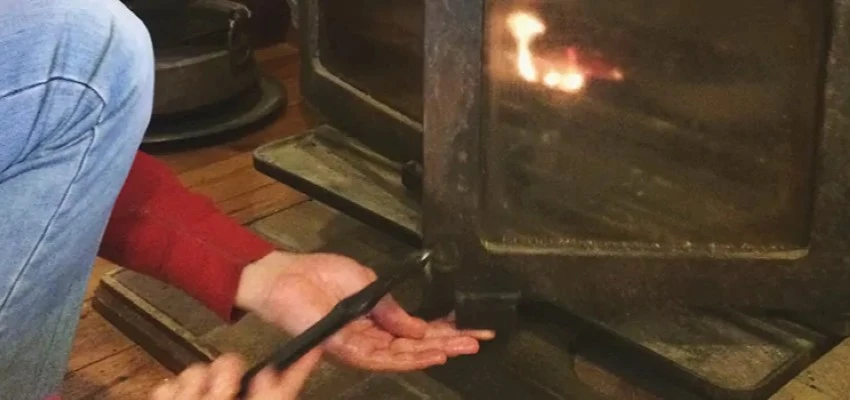
Swept and checked: Chimney Sweep Services in Chilliwack
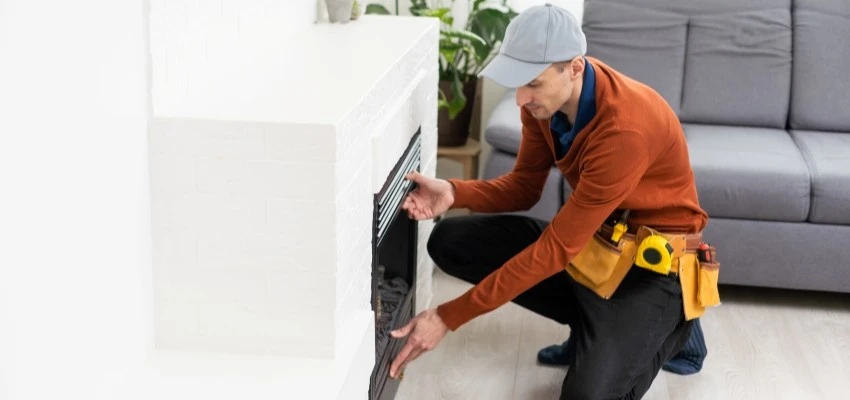
What Fireplace Experts check in your Chilliwack chimney
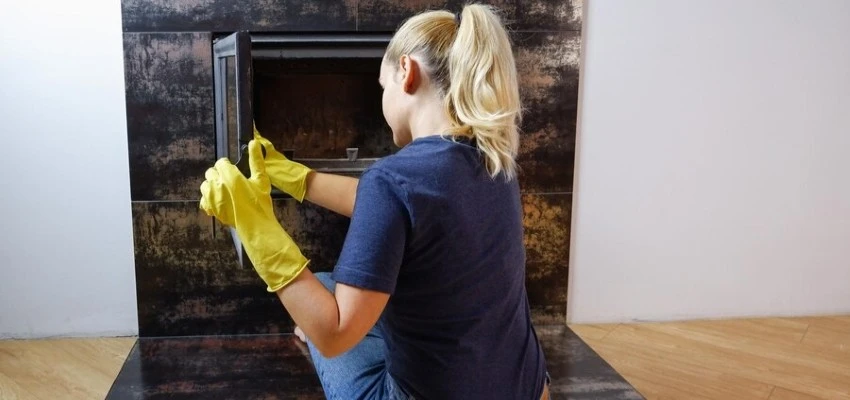
Hazy glass and dusty logs? Gas Fireplace Cleaning in Chilliwack
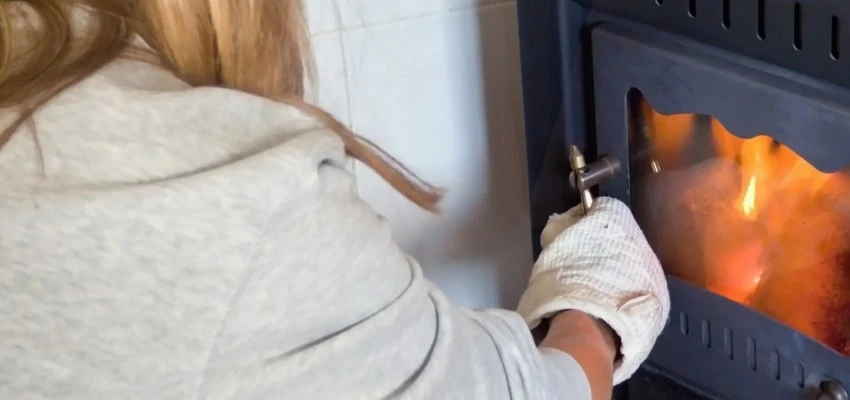
Catch a weak thermocouple early with Gas Fireplace Maintenance