Older brick chimneys and newer factory-built ones wear out in different ways, yet the questions owners ask about them are surprisingly alike. How bad is it? Can it be fixed instead of replaced? Is the fireplace safe to use in the meantime? This page answers those questions for people in Chilliwack researching “chimney chase services”, with plain detail on chimney chase repair and the factors that change the plan from one house to the next.
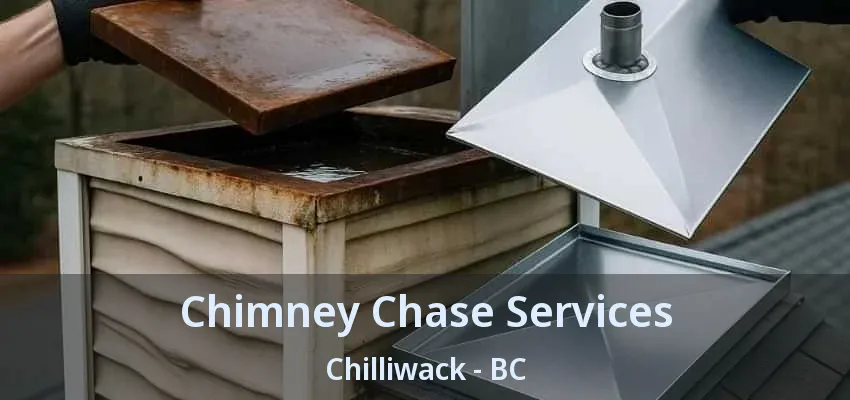
A masonry chimney has more parts than most people realize, and each one can need repair on its own. From the top down, you will usually find:
Inside the house sit the damper, the smoke chamber, the firebox and sometimes an ash dump. Factory-built chimneys swap the brick for a metal flue inside a framed chase with a metal cover on top.
A chimney chase is the framed box, usually finished with siding, stucco or stone veneer, that encloses the metal flue of a factory-built fireplace or stove. Unlike a brick chimney, the chase does not carry the smoke; the insulated metal pipe inside does that. The chase hides and protects the pipe and makes it look like part of the house. At the top, a metal chase cover with an opening for the flue keeps rain out. Because it is built like an exterior wall, a chase needs the same care as siding and roofing, plus regular attention to that top cover.
A leaking chimney almost always has one of a few causes: a missing or damaged cap, a cracked crown, failed flashing where the chimney meets the roof, or porous bricks and mortar soaking up rain. On factory-built chimneys, a rusted or flat chase cover is a frequent culprit. Water may show up far from where it enters, running along the flue or the framing before it appears as a stain. Note when the leak happens, whether in every rain or only when wind blows from one direction, and where you see it. Those details help narrow down the source quickly.
Rot inside a chimney chase almost always starts with water from above. A flat or rusted chase cover lets rain collect and drip down the inside walls, a cracked storm collar lets it run along the flue and gaps in siding or trim near the top let wind-driven rain in from the sides. Once the framing stays damp, wood softens and siding begins to bulge or stain. Leaks around the roof line can add to it. Anyone looking up “chimney chase services” after spotting swollen trim or dark streaks should have the top of the chase opened and probed, since rot is often worse inside than it appears.
A chimney chase cover should be replaced when it is rusting, sagging, holding water or leaking around the flue opening. Many original covers are thin galvanized steel and flat, so water pools on top, rusts the metal and eventually drips into the chase, leaving rust streaks on the siding below. A replacement is custom-sized to the top of the chase, usually in stainless steel or another durable metal, with a raised center or cross-break so water runs off and a drip edge that carries it past the siding. A storm collar and a cap finish the flue opening.

Yes, a reroof is an ideal time. Roofers remove the shingles and flashing around the base of the chase, so any soft sheathing or damaged framing there is exposed and easy to repair. It is also the moment to replace a tired chase cover, since crews and ladders are already on site. Coordinate with the roofing contractor so the chase is sealed and flashed before the new shingles are finished around it. If you are planning a reroof and searching for “chimney chase services”, ask both companies who will handle the flashing so nothing falls between the two jobs.
When booking chimney repair, describe what you have noticed and where, because those details shape the visit. Mention whether the chimney is brick, stone or a factory-built system in a framed chase, what it serves, such as a wood fireplace, gas fireplace, stove or furnace, and roughly how tall the house is. Say when the problem started, whether it gets worse with rain or wind and whether anything has been repaired before. Pictures of the chimney from the ground and of any stains or damage inside help the company bring the right parts and give a realistic time estimate.
Mostly no: the useful homeowner jobs happen on the ground, not on the roof. Spotting problems early is genuinely valuable, whether that means snapping photos of the chimney top after storms, shining a flashlight at the damper or keeping an eye on the ceiling near the fireplace. Where DIY goes wrong is up top. We regularly undo store-bought sealants smeared over cracks, caps held on with a single screw and mortar patches that trap water. Liner work, flue repairs and gas appliance venting have safety consequences inside the home, so those belong with trained technicians from start to finish.
The questions that matter most are about cause, scope and surprises, and any capable chimney company can answer them in plain words. Cause: why is this happening, and how do you know? Scope: which parts are included, which materials, and is the chimney top part of the job? Surprises: what happens if rotten framing or a cracked flue tile turns up halfway through? It is also fair to ask who will be on your roof, how long new mortar needs before a fire and how the site will be left. We welcome these questions, because they lead to fewer misunderstandings later.

Renovations, inspections and sales are all good reasons to check the parts of a home that are usually out of sight. We can fit the visit around your contractors or your listing date. Request a quote for chimney chase repair and mention your timeline.
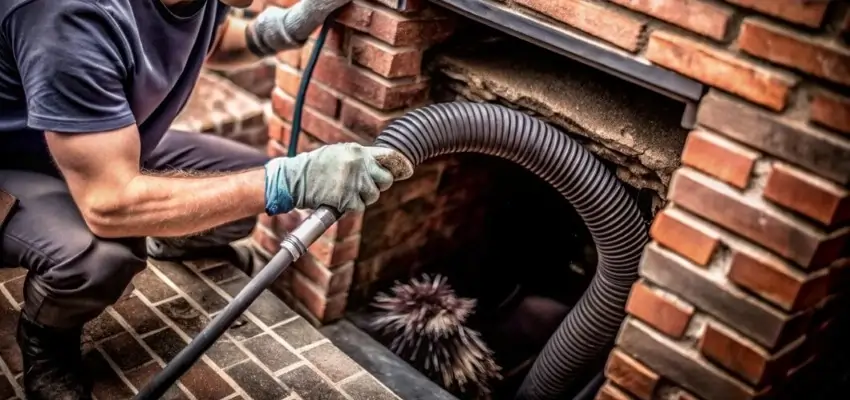
Less smoky smell, steadier flames: Chimney Cleaning around Chilliwack
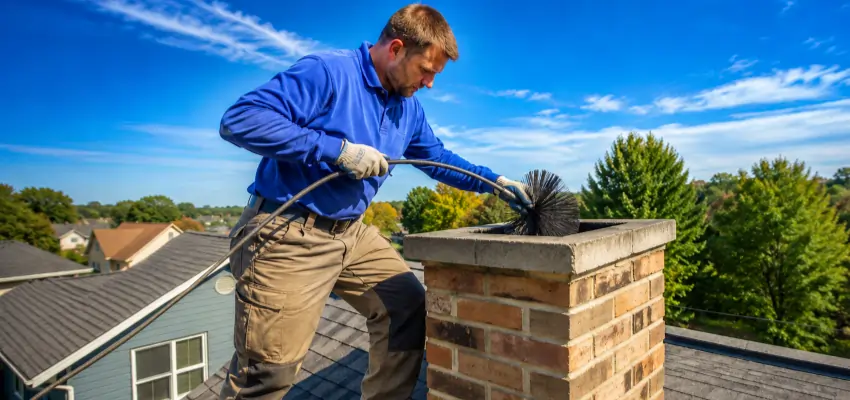
Chimney Sweep visits that leave Chilliwack living rooms clean
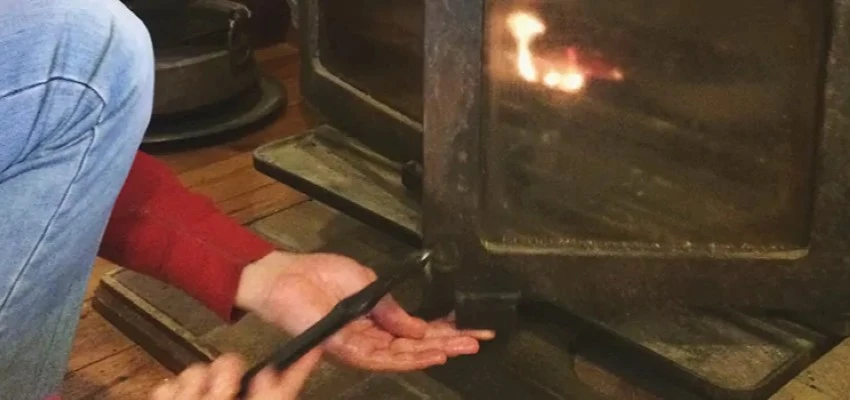
Swept and checked: Chimney Sweep Services in Chilliwack
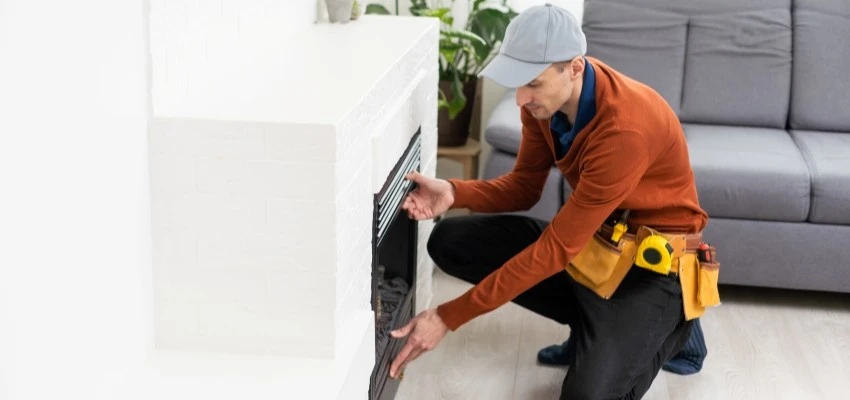
What Fireplace Experts check in your Chilliwack chimney
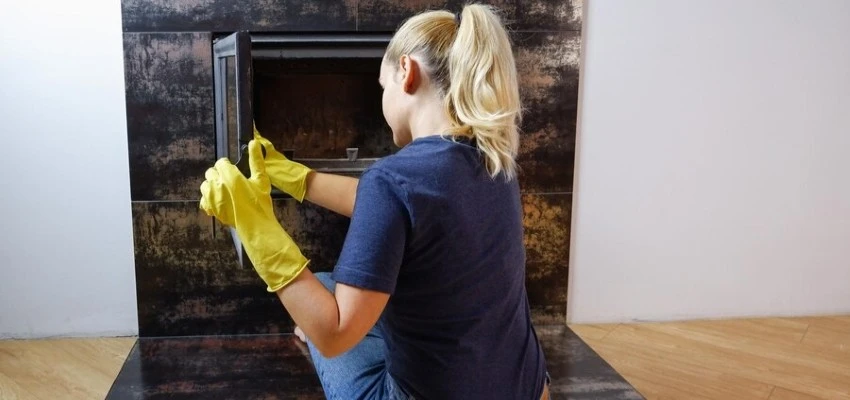
Hazy glass and dusty logs? Gas Fireplace Cleaning in Chilliwack
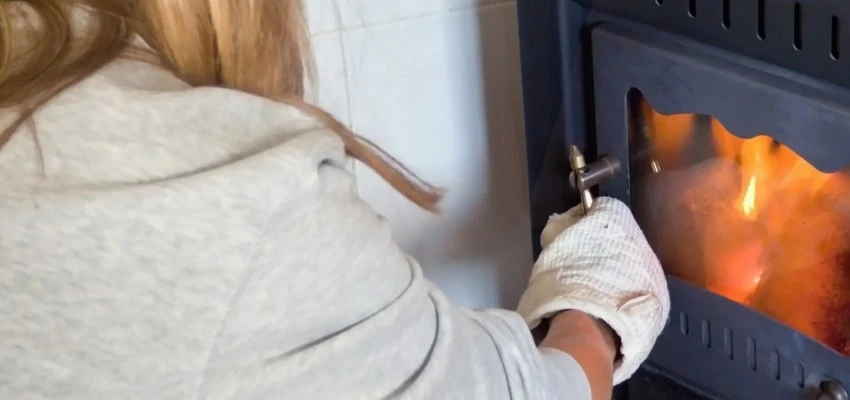
Catch a weak thermocouple early with Gas Fireplace Maintenance