Most chimney damage starts small. A hairline crack, a gap in a seal or a sticky part rarely looks urgent, and for a while it may not be. Water and heat are patient, though, and small faults tend to grow. This page is for anyone in Chilliwack who has been searching for “chimney cover replacement” and wants to understand chimney cover installation before a minor issue turns into a major one, with clear answers on signs, process, timing and choosing who does the work.
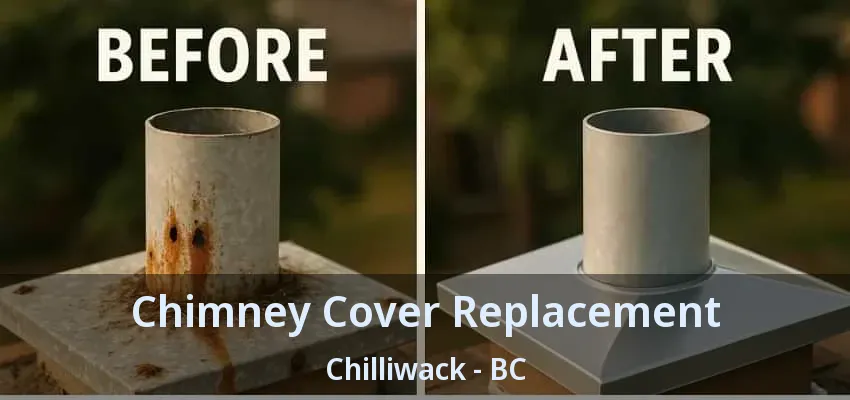
A chimney crown is the slab, usually concrete or mortar, that covers the top of the brickwork around the flue, while a chimney cap is the metal cover that sits over the flue opening itself. The crown seals the masonry and sheds water away from the bricks. The cap keeps rain, animals, leaves and sparks from entering or leaving the flue. Most masonry chimneys need both, because they protect different things. If the crown is cracked, a new cap will not stop water soaking into the bricks, and if the cap is missing, a sound crown will not keep rain out of the flue.
Chimney repair is important because a chimney has two jobs that both depend on it being sound: carrying smoke and combustion gases out of the house, and keeping rain and snow out of the structure. A cracked crown, a loose cap or a failing seal lets water into the masonry, the roof framing and the walls around the fireplace, and that kind of damage spreads quietly. A fault inside the flue can let heat or gases reach places they should not. A fireplace that still lights is no proof that everything is fine, so it pays to fix small problems while they are still small and inexpensive.
People use the term for a few different parts, so it helps to be specific. On a masonry chimney, a cover usually means the cap over one flue or a full-width cover that shelters the whole top, crown included. On a factory-built chimney, it often means the chase cover, the metal top of the framed box around the flue. All three keep rain and debris out, but they are sized and installed differently. When you ask about “chimney cover replacement”, a photo of the top of the chimney from the yard lets the company confirm which part you mean before anything is ordered.
Your chimney is most likely leaking at the crown, the flashing, the cap or through porous brick, though the stain rarely appears where the water gets in. Rain that slips past a cracked crown may travel down inside the masonry and show up at the firebox. Flashing leaks tend to stain the ceiling or the attic framing next to the chimney. An uncapped flue lets rain fall straight onto the damper, where it causes rust and a damp smell. Porous brick can wick moisture through the whole stack during long storms. We often test one area at a time with a hose, starting low and working up, so the repair targets the real entry point rather than a guess.
A chimney cap should be replaced when it is rusted through, bent, loose or missing pieces, or when its mesh is torn. Signs from inside the house include rain or debris falling into the firebox, birds or animals in the flue and a rusty damper. From the ground you may see a cap that sits crooked, rust streaks running down the crown or no cap at all after a windstorm. Galvanized caps tend to rust sooner than stainless steel or copper ones. A cap whose mesh is only clogged with soot may just need cleaning, but damaged metal should be replaced.
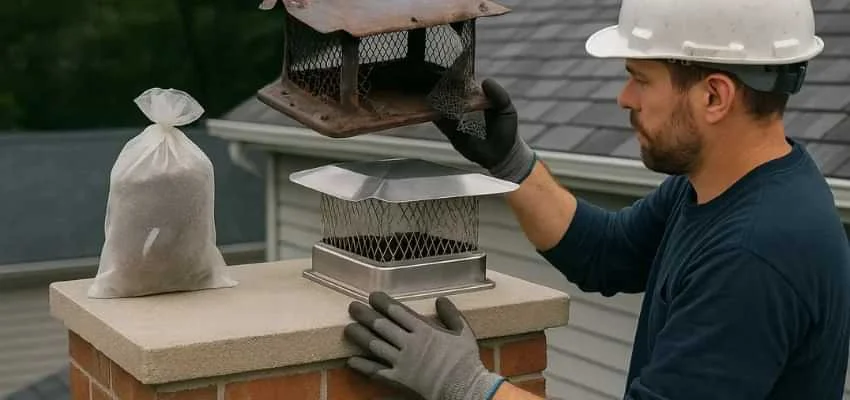
Chimney caps come in a few main materials and styles. Stainless steel is a common choice because it resists rust for many years; copper looks distinctive and also lasts a long time; galvanized or painted steel costs less up front but tends to rust sooner. Single-flue caps fit over one flue tile, while multi-flue or full-width caps cover the whole top of the chimney. Mesh size matters too, since very fine screens clog faster. A new cap is measured to the flue or crown and fastened securely so wind cannot lift it, which is why careful measuring comes before ordering.
Size, metal and access are the main factors. A standard single-flue cap is quicker and simpler than a full-width cover made for a chimney with several flues, and custom chase covers are fabricated to the exact dimensions of the chase. Stainless steel and copper cost more than galvanized steel but tend to last longer. Roof height and pitch affect how long the setup takes. Extras such as a new storm collar, crown sealing or repairs found under the old cover add to the total. A written quote for chimney cover installation should list the material, the size and what happens to the old cover.
Pick the company that gives you specifics. One that knows chimneys asks what yours is made of and what burns in it before giving a figure, and it talks about the cause of a problem rather than just the symptom. On site, it should take photos from the roof and inside the flue, lay out the options and let you decide without pressure. Tidy work matters, since soot and mortar dust travel. Ask how follow-up questions are handled once the job is done, and whether the same crew will come back if something needs a second look.
Local crews know the chimneys in the area, and that knowledge saves time and guesswork. Working the same streets season after season, we learn which subdivisions have tall chimneys on steep roofs, which builders used flat chase covers that rust and which older districts still have original clay liners. That history makes the first diagnosis faster and quotes more accurate. Being close by also means we can come back to check a repair after heavy rain without it becoming a major trip. When you call Chimney Sweep Chilliwack, you reach people who work on chimneys around Chilliwack every week.

Every home is a little different, so your situation may raise a question that is not on this page. Call us at (778) 608-3976 and describe what you have noticed. We can talk through the options for your chimney and set up a visit anywhere around Chilliwack if it makes sense.
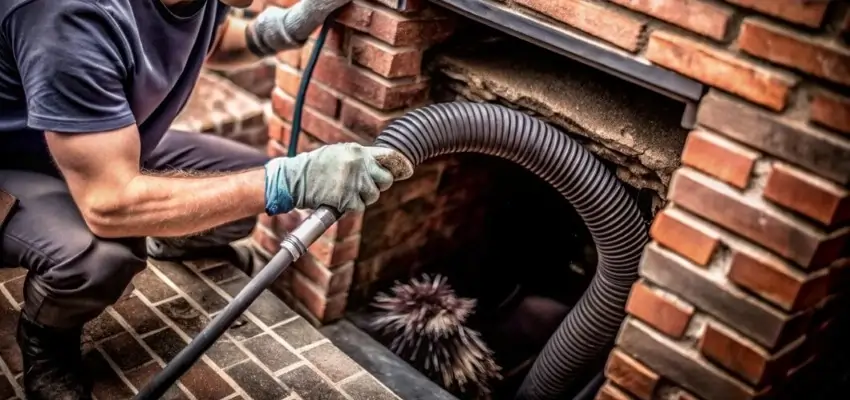
Less smoky smell, steadier flames: Chimney Cleaning around Chilliwack

Chimney Sweep visits that leave Chilliwack living rooms clean
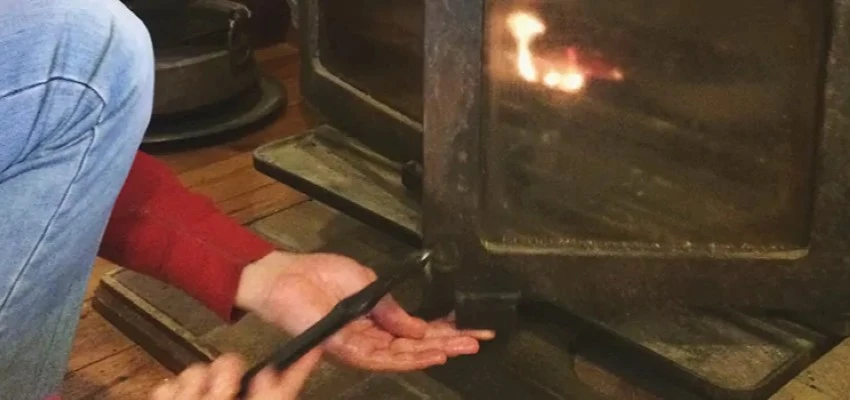
Swept and checked: Chimney Sweep Services in Chilliwack
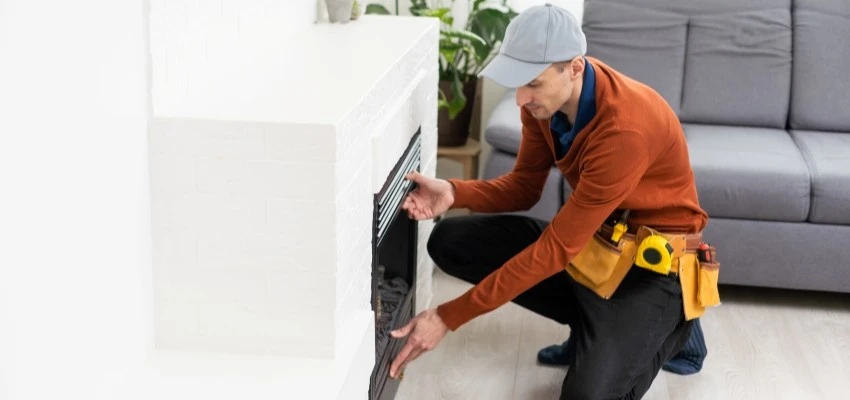
What Fireplace Experts check in your Chilliwack chimney
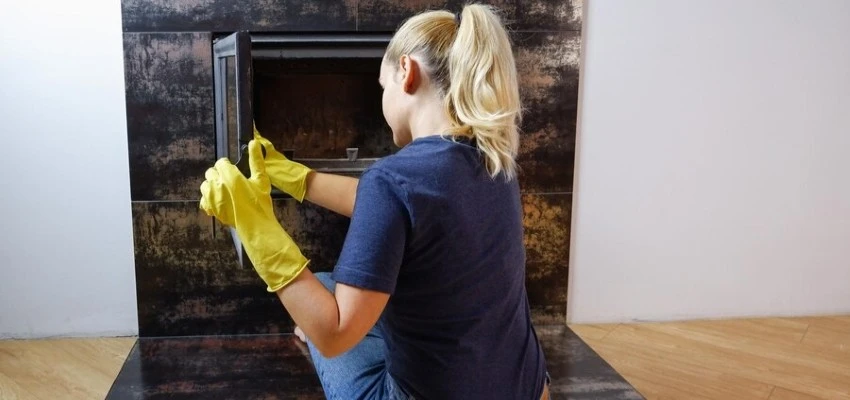
Hazy glass and dusty logs? Gas Fireplace Cleaning in Chilliwack
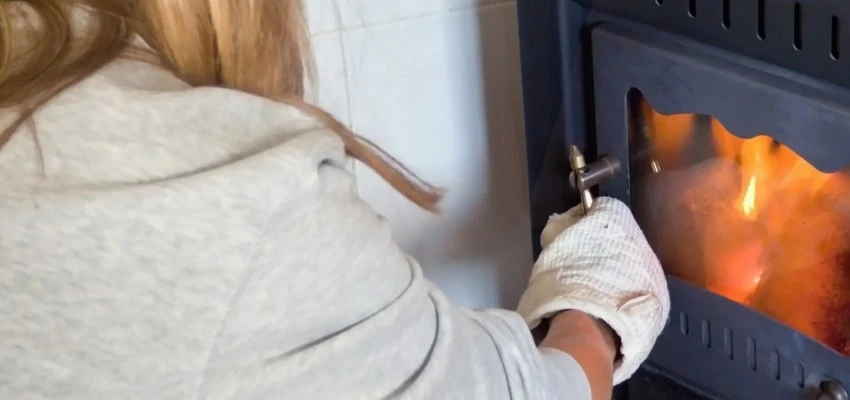
Catch a weak thermocouple early with Gas Fireplace Maintenance