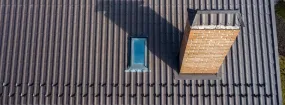
Plenty of people only think about their chimney when the first cool evening arrives and they want a fire. Others notice a problem in spring after a wet stretch of weather. Either way, a search for “chimney cover services” usually starts with a simple question: does this need fixing now? Here you will find practical answers about chimney cover service for homes in Chilliwack, including what the work involves, how long it takes and how to keep the chimney sound afterward.
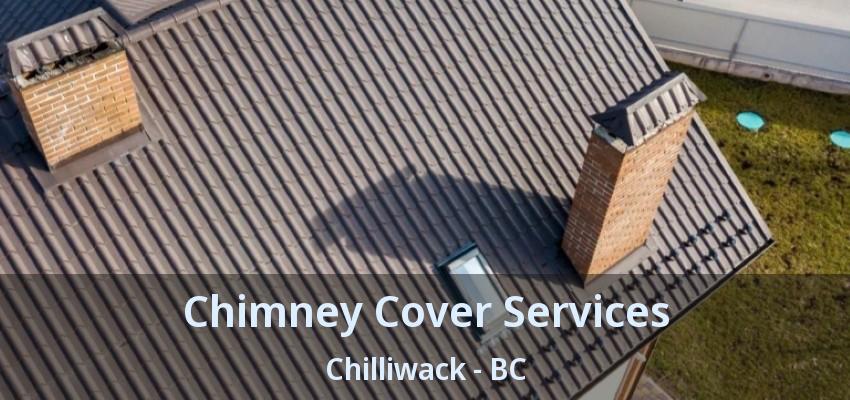
Repairs matter because chimneys tend to fail slowly at first and then expensively. We regularly open up a chimney where a minor issue, such as a missing cap or one cracked mortar joint, was left alone for a few seasons. By then, water has soaked the bricks, rusted the damper or softened the wood framing beside the stack. Work at that stage takes longer and uses far more material. Catching the same fault early usually means a short visit and a modest bill. There is a safety side too, because a damaged flue or liner can let heat and smoke escape where nobody expects them.
The crown protects the brick and the cap protects the flue, which is the simplest way to keep them straight. On the roof, the crown is the sloped top surface of the masonry, ideally with an overhang so water drips clear of the chimney walls. The cap is a metal hood with mesh sides, clamped or fastened over the opening. We check them separately, since one can fail while the other looks fine: we often find a shiny new cap sitting on a crown full of cracks. Both deserve attention, and fixing one never covers a problem with the other.
A leaking chimney almost always has one of a few causes: a missing or damaged cap, a cracked crown, failed flashing where the chimney meets the roof, or porous bricks and mortar soaking up rain. On factory-built chimneys, a rusted or flat chase cover is a frequent culprit. Water may show up far from where it enters, running along the flue or the framing before it appears as a stain. Note when the leak happens, whether in every rain or only when wind blows from one direction, and where you see it. Those details help narrow down the source quickly.
A well-fitted cover with intact mesh keeps most animals out, but it only works while it stays sound. Squirrels and raccoons test weak points, so a cover with a bent corner, a torn screen or a gap at the base can be pried open. Mesh openings need to be small enough to stop birds yet large enough not to clog with soot. Checking the cover once a year, ideally during a sweep, catches damage early. If animals are already inside, they need to be removed before the cover goes on. A thorough chimney cover service visit includes checking every side of the mesh, not just the top.
The most common signs show up as water, debris or poor performance. Watch for:
Outside, look for white staining on the bricks, gaps in mortar joints and a cap or flashing that looks loose. Any one of these is worth a closer look by someone who can reach the chimney safely.
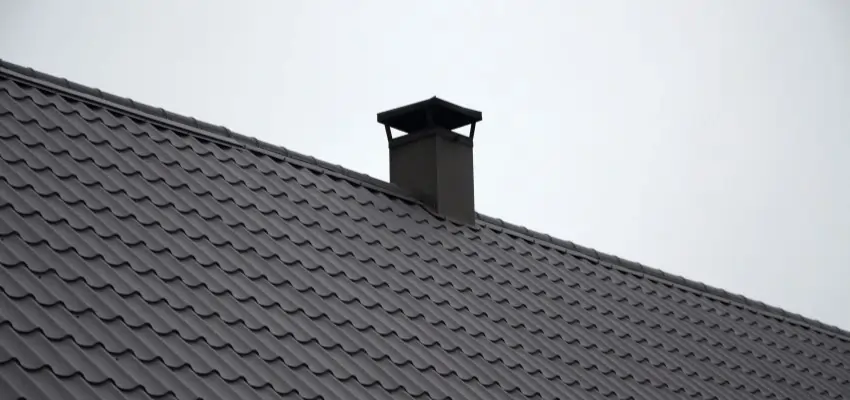
A full-width cover, sometimes called a multi-flue cap, is a single metal hood that sits over the entire top of a chimney rather than one flue. It is fastened to the crown or the outer bricks and has mesh sides all around. It makes sense when a chimney has several flues close together, when individual tiles are too short or damaged to clamp a cap to, or when the crown needs shelter from direct rain. It does not replace crown repair, though. If you are considering one through “chimney cover services”, ask how it will be anchored and whether the flues keep enough clearance below the hood.
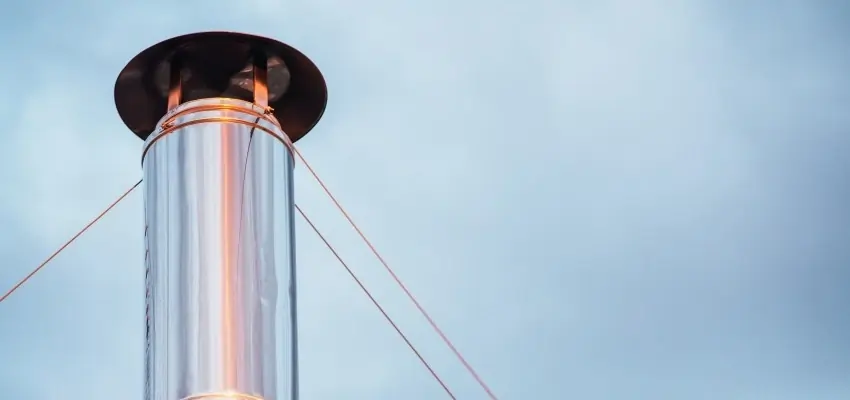
The main choices are stainless steel, copper and galvanized steel, in single-flue or full-width designs, and we pick based on the chimney rather than the catalog. First we measure the flue tile or crown, count the flues and check whether the tile stands tall enough to clamp to. We also note what the chimney serves, since some stoves and gas appliances call for specific cap designs. Stainless is our everyday answer, copper suits homes where looks matter, and low-cost galvanized caps rarely last as long. Fitting means fastening the cap firmly, checking the mesh is clear and making sure it sits square.
Small chimney repairs, such as replacing a cap, sealing a crown or freeing a damper, often take a few hours. Mid-sized jobs like new flashing, a new chase cover or a fan installation usually fit into a day. Larger masonry work, including repointing an entire stack or rebuilding the section above the roof, can take several days, because mortar and concrete need time to set between stages. Weather adds to the schedule for anything done outside, since rain and cold delay masonry. Ask for an estimate of both working time and total calendar time before the job is booked.
After a repair, the main job is to watch for changes and keep water and debris away from the chimney. Follow any instructions about when the fireplace can be used again, since new mortar or crown material may need time to cure. In the first few rains, check the ceiling and walls near the chimney for stains and look in the firebox for water or debris. Keep tree branches trimmed back from the chimney top and the gutters near it clear. Book a yearly inspection so small wear is caught early, and file the paperwork from the repair for future reference.
We work with people who live in their homes and with people who look after rental units around Chilliwack. Either way, you get a clear explanation of the work and what we found. Request a quote for one home or several and we will plan the visits with you.
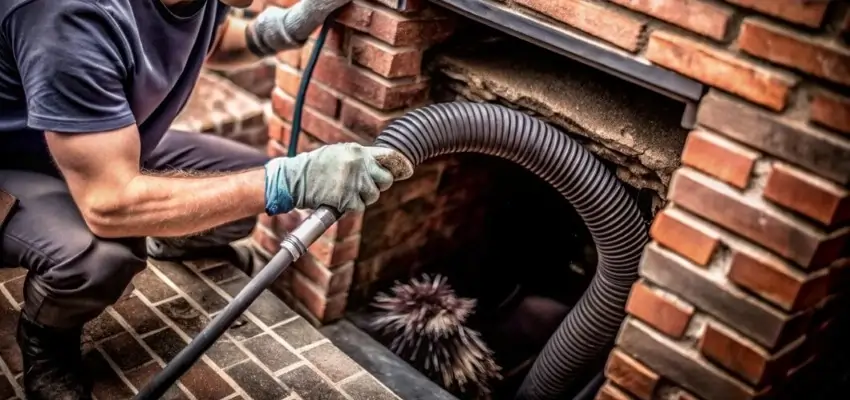
Less smoky smell, steadier flames: Chimney Cleaning around Chilliwack

Chimney Sweep visits that leave Chilliwack living rooms clean
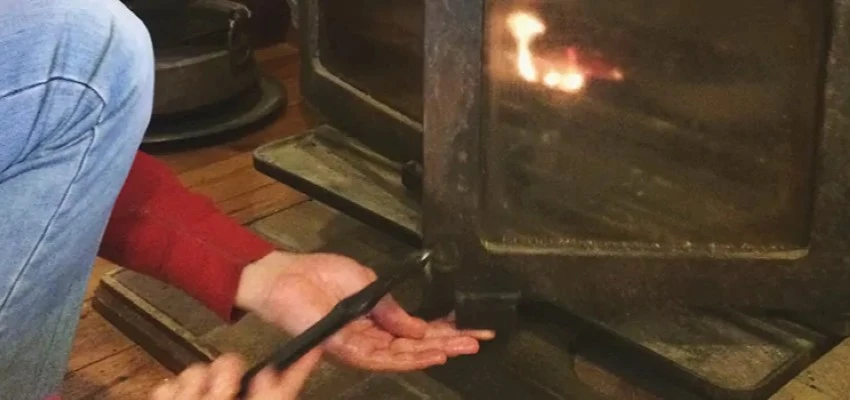
Swept and checked: Chimney Sweep Services in Chilliwack
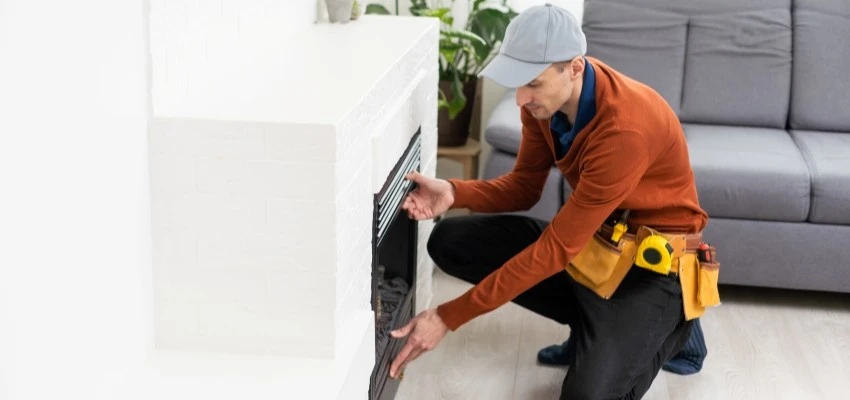
What Fireplace Experts check in your Chilliwack chimney
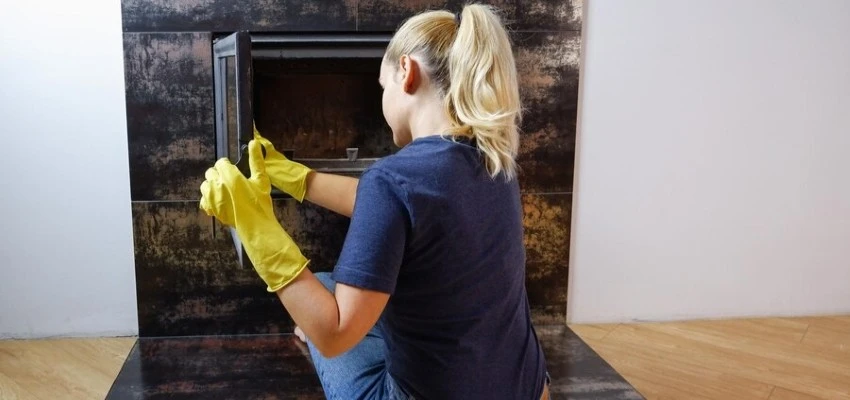
Hazy glass and dusty logs? Gas Fireplace Cleaning in Chilliwack
Catch a weak thermocouple early with Gas Fireplace Maintenance