Chimney problems are hard to judge from the ground, and climbing up for a closer look is not something we recommend. A clear explanation is the safer first step. This page covers what people in Chilliwack usually want to know after a search for “chimney damper services”: what tends to go wrong, what a repair visit involves, what affects the price and how to tell a careful company from a hasty one. It is written to help you understand chimney damper repair, not to push you into it.
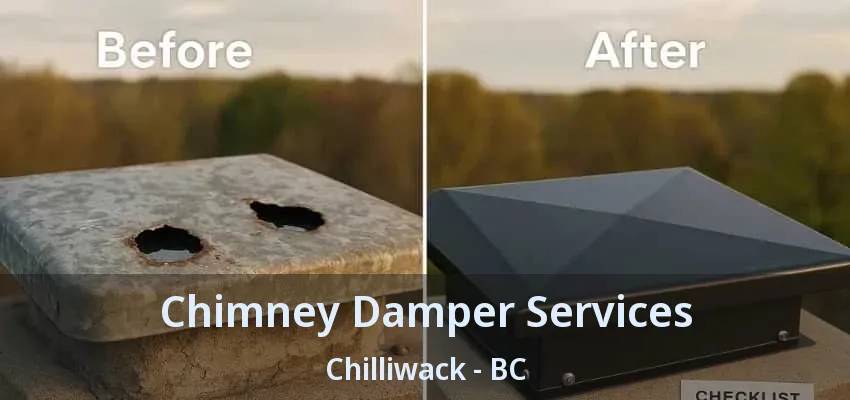
A damper is simply a door in the flue, and the two designs we work on differ mainly in where that door lives. Throat dampers sit low, right above the fire, so they take a lot of heat and tend to warp or rust over time, especially if rain gets down the flue. Top-sealing dampers sit at the chimney top, close firmly on a rubber or silicone seal and are often fitted as a replacement when an old throat damper no longer closes. One caution: a fireplace with gas logs may have its damper clamped open on purpose, and that clamp should stay exactly where it is.
A stuck damper is usually rusted, warped or glued in place by creosote, and a light up the flue shows which. Heavy rust tells us water has been getting in from above, usually through a missing cap. A plate sitting crooked in its frame points to heat warping or a broken pivot. Creosote glazing around the edges can lock a damper in position. Sometimes the problem is simply a broken handle or a frayed cable on a top-sealing model. Depending on the cause, we free and adjust it, replace the worn parts or fit a new damper, and we look for the water source at the same time.
A closed damper that still lets in cold air is usually not sealing. Old throat dampers are metal plates resting on a metal frame, and once they warp or rust, gaps open around the edges. A damper that is not fully closed, because of creosote buildup or a bent handle, does the same. Cold air sinking down a chimney on an outside wall can also chill the firebox even when the damper is tight. If you searched for “chimney damper services” because of a drafty fireplace, a technician can check the seal with a light, adjust or repair the plate or suggest a top-sealing damper.
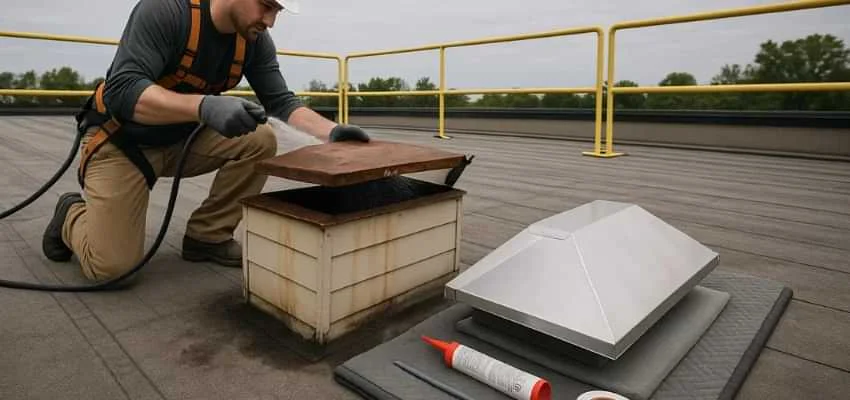
It depends on the part being repaired. Caps, crowns, flashing, upper masonry, chase covers, chimney fans and top-sealing dampers are reached from the roof or from ladders set against the chimney. Throat dampers, fireboxes, ash dumps, cleanout doors and many vent connections are handled from inside the house or at ground level. Roof work is planned around the weather, the pitch of the roof and safe ladder placement. Homeowners should not climb up to inspect or repair a chimney themselves; binoculars from the yard or the technician’s photos will tell you what you need to know.
The cost of chimney repair depends mostly on the part being fixed, how much damage there is and how hard the chimney is to reach. A tall chimney on a steep roof needs more equipment and time than a short one on a gentle slope. Materials vary too: stainless steel, copper and custom-sized parts cost more than standard ones, and masonry work depends on how many joints or bricks are involved. Hidden damage found once work begins, such as rotted framing under a chase cover, can add to the total. A written quote that spells out the scope makes comparisons easier.

Closed, once the fire is completely out and the ashes are cold. A shut damper keeps heated or cooled indoor air from escaping up the chimney and stops drafts and odors from coming down. Never close it while embers are still glowing, because smoke and carbon monoxide need a way out. The main exception is a fireplace with vented gas logs, where the damper is often fixed partly open on purpose and should be left that way. If your damper will not close fully or open reliably, booking chimney damper repair is the sensible next step before the next cold evening.
The repairs we make hold up longest when the rest of the chimney system is looked after too. That means a cap that stays in place with clear mesh, a crown kept free of leaves and moss, flashing left alone by anyone doing roof work and regular sweeping if you burn wood, because creosote and moisture attack the inside of the flue. We tell homeowners exactly how long to wait before the first fire after masonry work. After that, a glance at the chimney from the yard after big storms and a professional look once a year usually keeps surprises to a minimum.
The questions that matter most are about cause, scope and surprises, and any capable chimney company can answer them in plain words. Cause: why is this happening, and how do you know? Scope: which parts are included, which materials, and is the chimney top part of the job? Surprises: what happens if rotten framing or a cracked flue tile turns up halfway through? It is also fair to ask who will be on your roof, how long new mortar needs before a fire and how the site will be left. We welcome these questions, because they lead to fewer misunderstandings later.
Comparing chimney repair quotes is easiest when each one describes the same work. Check that every quote names the parts being repaired, the materials, how far the work extends, for example the whole chimney or just the top courses, and whether clean-up, disposal and any permits are included. Look at how each company would handle extra damage found during the job. A much lower quote often covers less: a sealant coating instead of a new crown, or patching a few joints instead of repointing the weathered side. A fair quote is specific, in writing and explained without pressure.
We are glad to explain the process, the likely timing and what affects the price before you decide anything. Most people find that a few minutes of conversation answers the questions this page could not. Send us a message and we will reply with clear next steps.
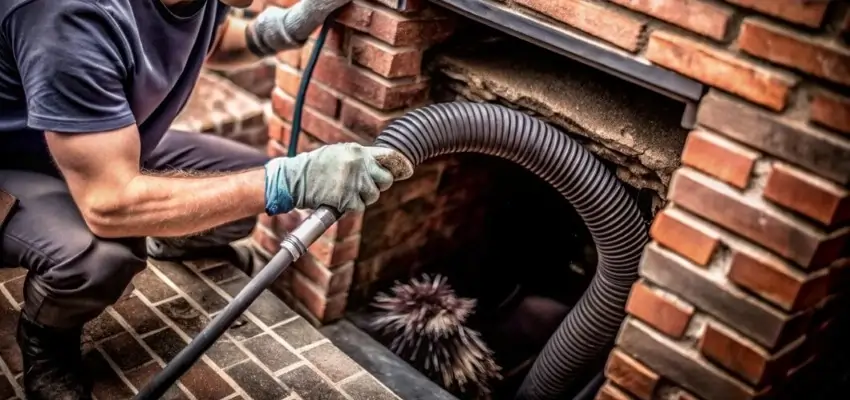
Less smoky smell, steadier flames: Chimney Cleaning around Chilliwack
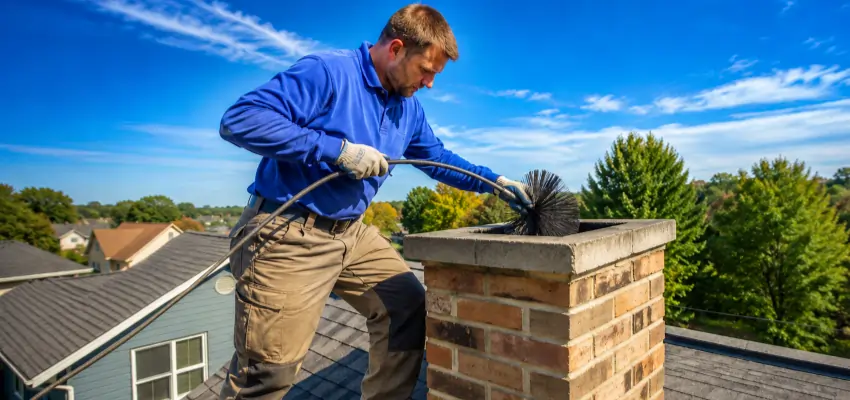
Chimney Sweep visits that leave Chilliwack living rooms clean
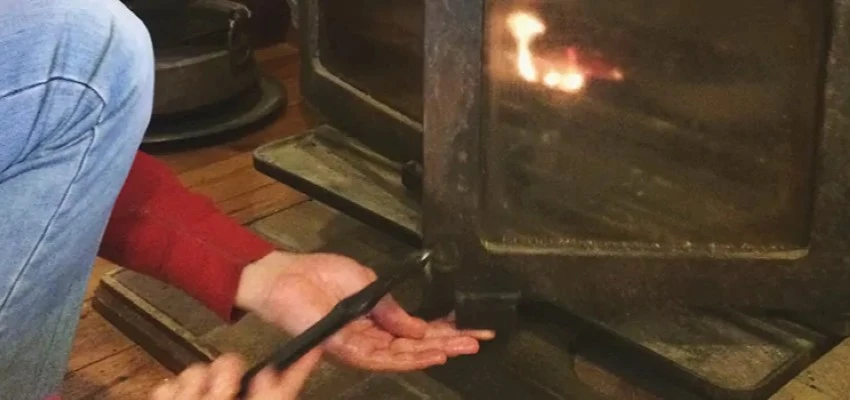
Swept and checked: Chimney Sweep Services in Chilliwack
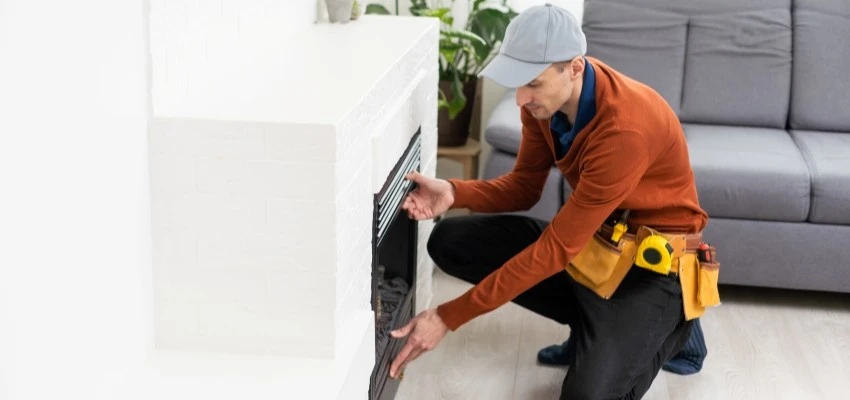
What Fireplace Experts check in your Chilliwack chimney
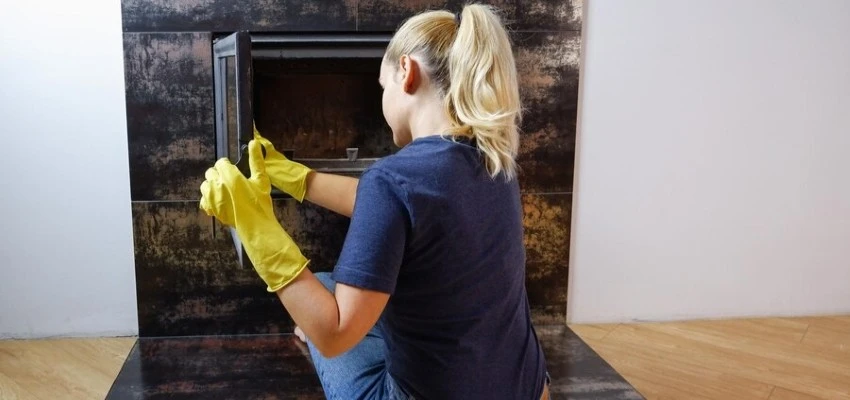
Hazy glass and dusty logs? Gas Fireplace Cleaning in Chilliwack
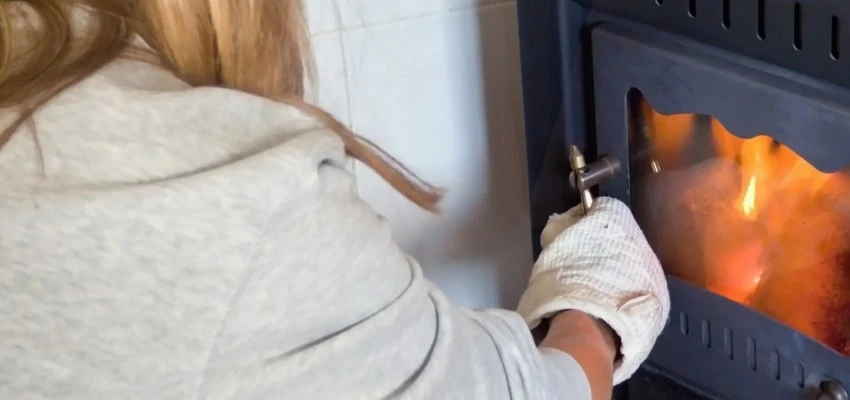
Catch a weak thermocouple early with Gas Fireplace Maintenance