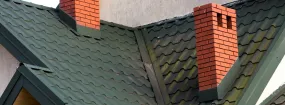
Older brick chimneys and newer factory-built ones wear out in different ways, yet the questions owners ask about them are surprisingly alike. How bad is it? Can it be fixed instead of replaced? Is the fireplace safe to use in the meantime? This page answers those questions for people in Chilliwack researching “chimney flashing services”, with plain detail on chimney flashing repair and the factors that change the plan from one house to the next.
Sometimes yes, often no, and the deciding factor is whether the damage touches the path the smoke takes. A chipped brick on the outside of the stack is not going to change how the fire drafts tonight. A broken flue tile, a liner with gaps, a crown that lets rain pour into the flue or a fan that has stopped running can. When we are asked this on the phone, we usually suggest leaving the fireplace or stove cold until the chimney has been checked. A few quiet evenings cost nothing, and a carbon monoxide alarm near the bedrooms is cheap protection in any home with a fuel-burning appliance.
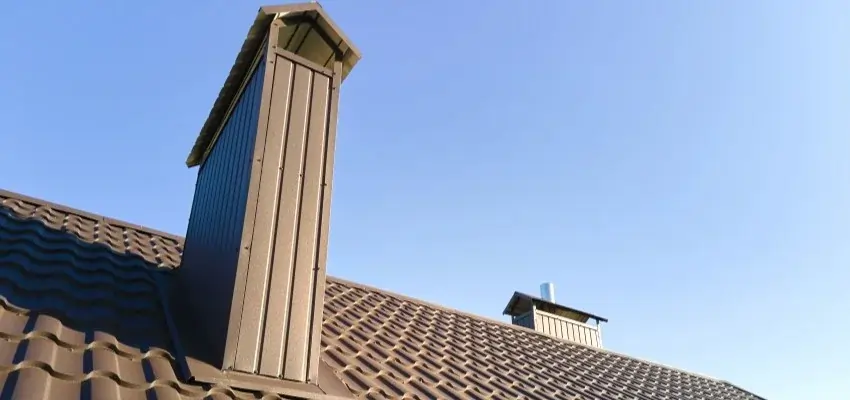
A chimney’s parts fall into three groups: the weatherproofing outside, the flue liner inside and the working parts at the bottom. Weatherproofing means the cap, the crown, the flashing and the face of the bricks and mortar. The liner is the channel that handles heat and corrosive exhaust. Down at hearth level are the pieces people actually touch, such as the damper handle, the firebox walls and the ash dump door. On a prefab system, a framed chase and its sheet metal top replace the brick. When we diagnose a problem, we trace it to one of these groups first, because that decides what the fix looks like.
Yes, and that is why a careful diagnosis matters. Water stains beside a chimney can come from a cracked crown, a missing cap, porous brick, damaged shingles or roof vents nearby, ice dams in cold weather or even condensation in the attic. Flashing is a common culprit, but replacing it will not stop a leak that starts elsewhere. A technician can test areas one at a time and look at the attic side for the wettest spot. Anyone looking into “chimney flashing services” should ask how the company confirmed the flashing is the source before agreeing to replace it.
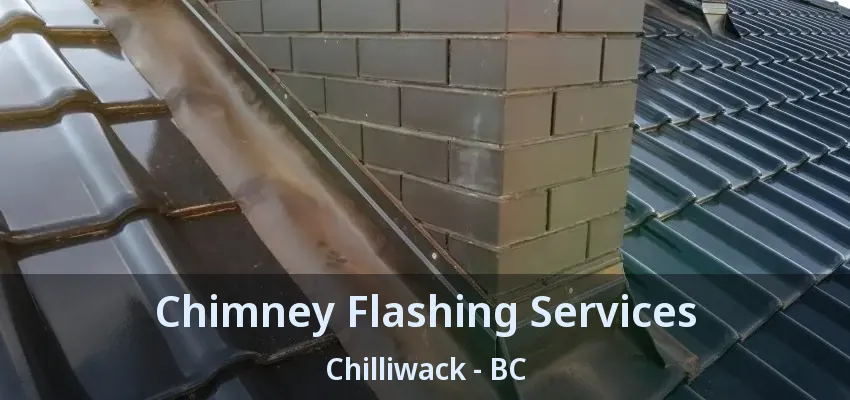
The signs we trust most are darkened wood beside the chimney in the attic and lifted or caulk-covered metal where the chimney meets the roof. Flashing is a weak spot because it joins two things that move differently: a heavy masonry stack and a roof that shifts with the seasons. Done properly, it has two layers, step flashing woven in with the shingles and counter-flashing set into the mortar joints and folded down over it. Trouble starts when one layer is missing, when everything relies on caulk or when roofers reused tired metal during a reroof.
Resealing suits a joint that is sound but tired; replacement is right when the flashing has rusted, was nailed straight into the brick face or depends entirely on a thick smear of roofing tar. A proper replacement starts by removing the old metal and lifting shingles on all sides. New step flashing goes in course by course with the shingles, counter-flashing is let into a cut mortar joint and bent down over it, and the uphill side gets a cricket on wider chimneys so water cannot pool there. Matching the roofing material and color keeps the repair from standing out.
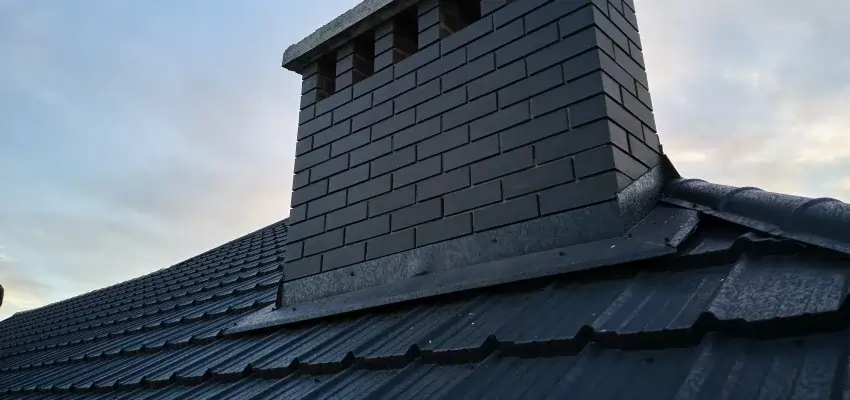
Well-installed metal flashing often lasts as long as the roof around it, sometimes longer, while the sealant along the counter flashing usually needs renewing sooner. Lifespan depends on the metal, how it was fastened, sun exposure and whether the chimney moves or settles. Flashing that relies on tar or caulk instead of proper overlaps may start leaking within a few seasons. A check during each yearly chimney inspection, looking for lifted edges and cracked sealant, is the simplest way to stay ahead of it. Small reseals during chimney flashing repair cost far less than repairing a soaked ceiling later.
Preparing for chimney repair mostly means clearing access inside and out. Stop using the fireplace or stove at least a day before so the firebox and flue are cool, and move decorations, screens, tools and furniture away from the hearth. Outside, move vehicles, patio furniture, planters and grills away from the side of the house where ladders will go, and unlock any gates. Let the company know about pets, an alarm system or anything fragile near the chimney. If the job involves the attic or basement, such as tracing a leak or emptying an ash pit, clear a path there too.
A local company is often the practical choice because it knows the housing styles, roof types and weather your chimney deals with. Builders in the same area often used similar chimney designs, so a nearby crew may already know where yours is likely to fail. Local service also makes it easier to schedule follow-up visits, check a repair after the first big storm or answer a question months later. Before booking, confirm the company works in your area with its own crew, and ask how it handles return visits if something needs adjusting.
Comparing chimney repair quotes is easiest when each one describes the same work. Check that every quote names the parts being repaired, the materials, how far the work extends, for example the whole chimney or just the top courses, and whether clean-up, disposal and any permits are included. Look at how each company would handle extra damage found during the job. A much lower quote often covers less: a sealant coating instead of a new crown, or patching a few joints instead of repointing the weathered side. A fair quote is specific, in writing and explained without pressure.
Sometimes the most useful thing is simply knowing whether there is a problem at all. A visit from Chimney Sweep Chilliwack gives you that answer, along with practical advice for keeping things in order. Call (778) 608-3976 to set one up.
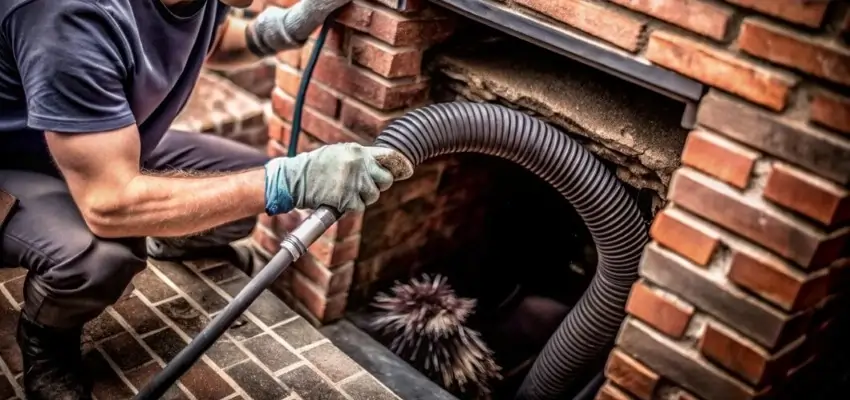
Less smoky smell, steadier flames: Chimney Cleaning around Chilliwack
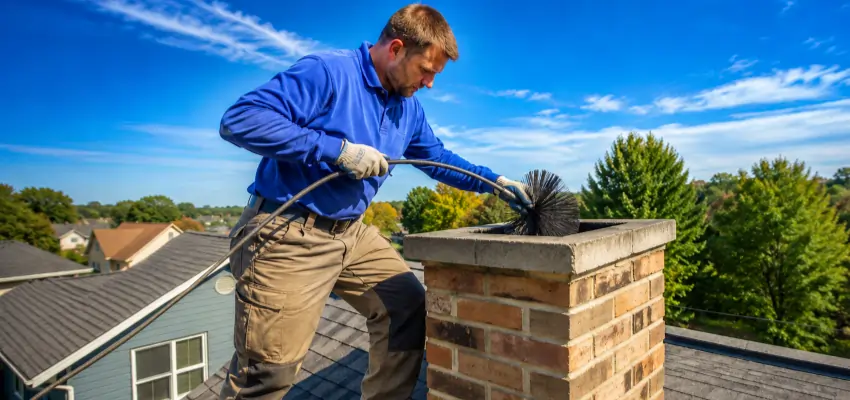
Chimney Sweep visits that leave Chilliwack living rooms clean
Swept and checked: Chimney Sweep Services in Chilliwack
What Fireplace Experts check in your Chilliwack chimney
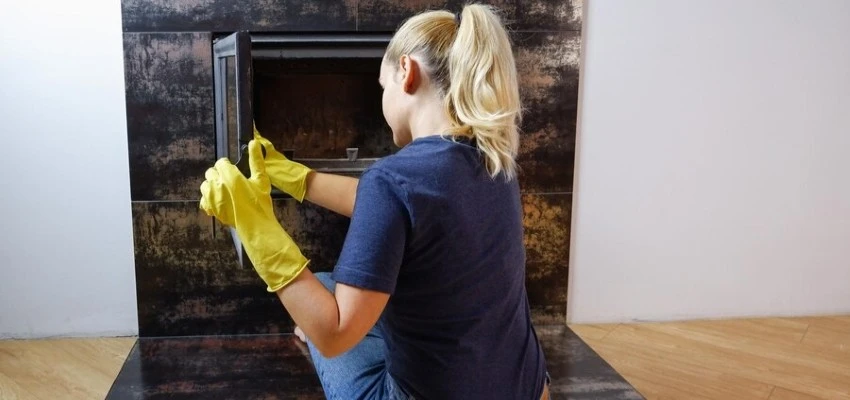
Hazy glass and dusty logs? Gas Fireplace Cleaning in Chilliwack
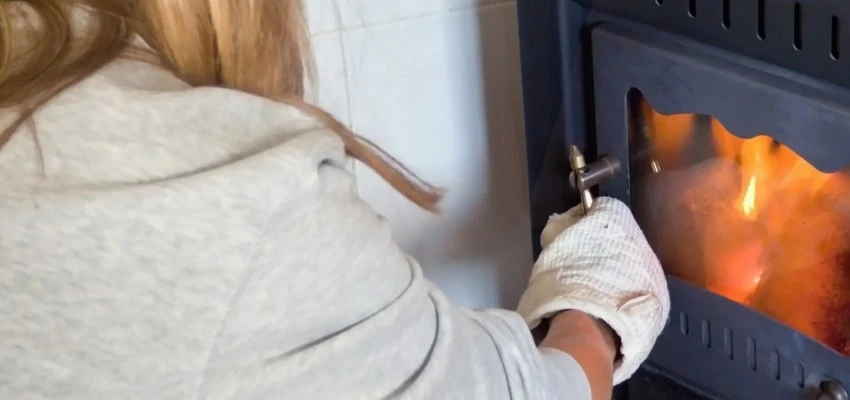
Catch a weak thermocouple early with Gas Fireplace Maintenance