Houses change over time. Fireplaces get converted, rooms are added, roofs are replaced and old chimneys are left doing jobs they were never designed for. When that happens, a search for “chimney flue services” is a natural next step. Here you will find practical answers about chimney flue service for homes in Chilliwack, written to help you weigh your options calmly before you commit to anything or anyone climbs a ladder.
It depends on which side of the chimney the problem lives. Shingles, underlayment and roof decking are roofing work, and a good roofer does them well. Anything that carries smoke or heat, from the flue tiles to a prefab chimney pipe, is where chimney training matters, because mistakes there affect safety inside the house rather than just weatherproofing. We often work alongside roofers, especially during a reroof, so flashing and chimney repairs are coordinated. A company that knows its limits and says so plainly is usually the one to trust with the rest.
A chimney flue is the passage inside the chimney that carries smoke and combustion gases from the fireplace, stove or furnace up and out of the house. In masonry chimneys it is usually lined with clay tiles or a metal liner; in factory-built systems it is an insulated metal pipe. The chimney is the whole structure, while the flue is the channel inside it, and one chimney may contain several flues serving different appliances. A flue must be the right size, sealed and clear to draw well and keep heat away from the framing of the house.
A flue should be sized to the appliance it serves, not to the chimney around it. Fireplaces need a flue large enough for their opening, while stoves, inserts and gas appliances usually specify a flue size in their installation instructions. A flue that is too large lets exhaust cool and slow down, which weakens draft and encourages creosote or condensation. One that is too small cannot carry all the exhaust and may let smoke spill into the room. People searching for “chimney flue services” after an appliance change should have the flue size checked against the new unit before it is used.
The clearest signs are water, debris and smoke where they do not belong. Watch for damp stains near the chimney, flakes of tile or brick in the firebox, rust on the damper or cap, a fireplace that smokes into the room and loose or leaning pieces at the top of the chimney. Outside, white staining on brick, gaps in mortar and plants or moss growing on top are worth noting. Any smell of smoke in rooms next to the chimney, or a carbon monoxide alarm, means stop using the appliance and have it checked before it is lit again.
A camera inspection shows the inside of the flue from top to bottom, which is the only way to see most flue damage. The technician feeds a small camera on a flexible rod up or down the flue and watches the image on a screen, often recording it. The footage reveals cracked or missing tiles, gaps at the joints, creosote buildup, blockages such as nests and the condition of any metal liner. Many companies share the video or still images with you. If you are comparing offers for “chimney flue services”, ask whether a camera check is included before any repair is quoted.

Cracked flue tiles are repaired in one of three ways, depending on how much damage there is. Limited cracks or gaps at the joints can sometimes be sealed with a heat-resistant resurfacing material applied inside the flue. When damage is more widespread, a new stainless steel liner is usually installed inside the old tiles, or a cast-in-place liner is formed within the flue. In rare cases, sections of tile near the top are removed and replaced. The right option depends on the appliance, the flue size and the extent of the cracks shown on camera.
Our estimates come down to labor, access and parts, with an allowance for what the chimney might be hiding. Labor depends on how many steps the job has and whether curing time stretches it over several days. Access depends on the roof and the yard: steep slopes, tall stacks and tight spaces add setup. Parts range from a repellent or a clay pot to a full liner or a factory-built system that has to match the fireplace. We would rather explain all of that before the job than surprise you halfway through, so we price each part separately.
Start by letting the fireplace or stove go cold at least a day before, and clear the hearth of screens, tools, logs and decorations. Move furniture and rugs back a few feet. Outside, clear the area below the chimney of cars, planters, bikes and patio furniture, and unlock gates so ladders can come through. Let the company know about pets, alarms, skylights or solar panels near the chimney. If the job involves the attic, a closet or the basement, make sure those spaces are reachable. A few minutes of preparation saves time on the day.
Choose a chimney contractor that inspects before quoting, explains the cause of the problem and shows you evidence. Look for a company that does the specific work you need, whether flue repair, chimney pots, waterproofing or factory-built chimney installation, and ask to see photos of similar jobs. A clear written quote, a realistic timeline and an explanation of how the home will be protected are good signs. Read recent reviews for comments about communication and tidiness. Be cautious with anyone who pushes a large job without photos or pressures you to decide on the spot.

Whether it is a sound, a stain or something you spotted while cleaning, mention it when you contact us so the technician knows where to start. Describe what you noticed and Chimney Sweep Chilliwack will follow up about chimney flue service for your home.
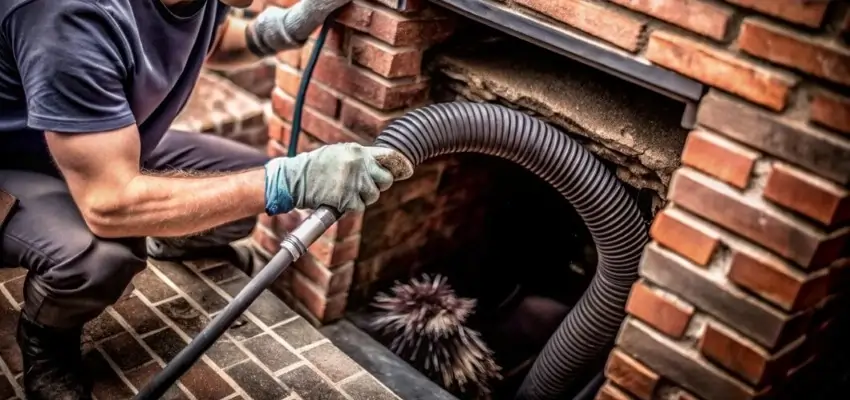
Less smoky smell, steadier flames: Chimney Cleaning around Chilliwack
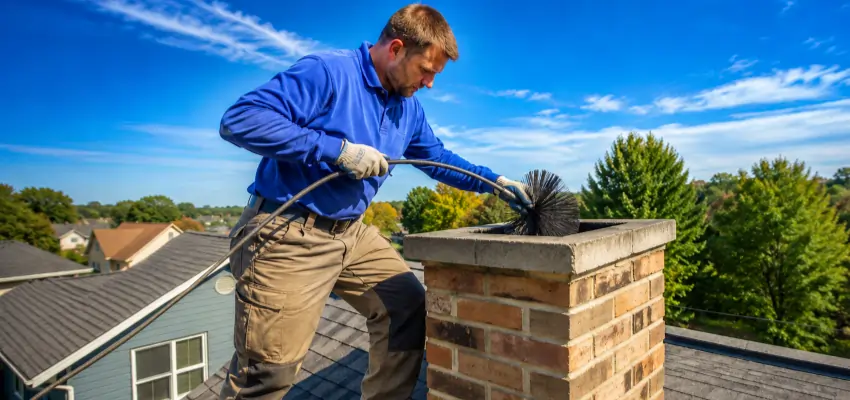
Chimney Sweep visits that leave Chilliwack living rooms clean
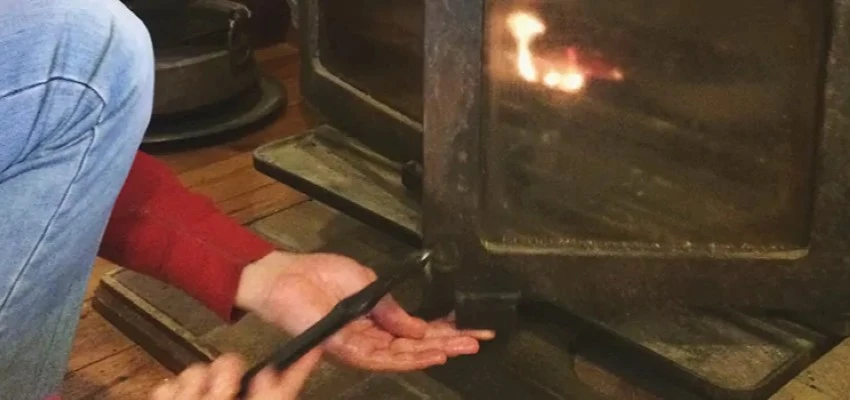
Swept and checked: Chimney Sweep Services in Chilliwack
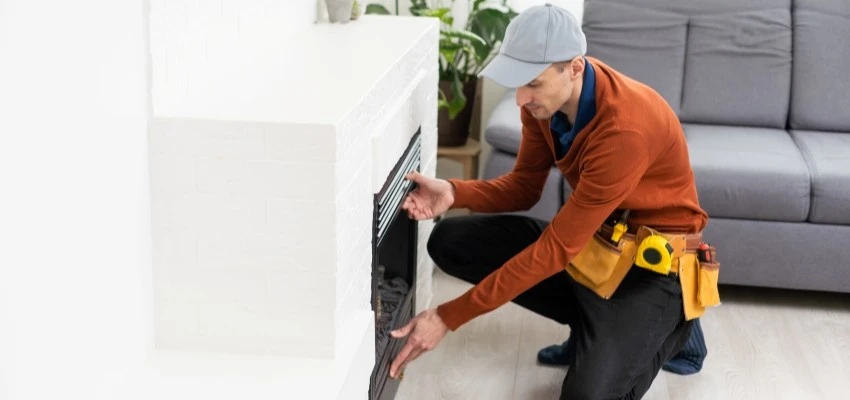
What Fireplace Experts check in your Chilliwack chimney
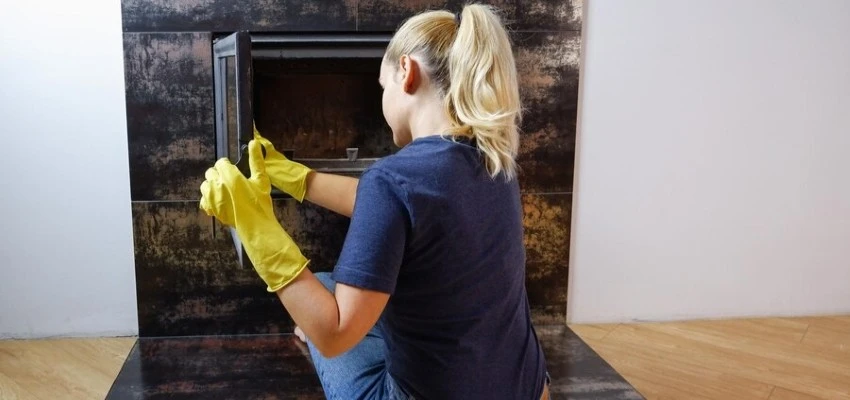
Hazy glass and dusty logs? Gas Fireplace Cleaning in Chilliwack
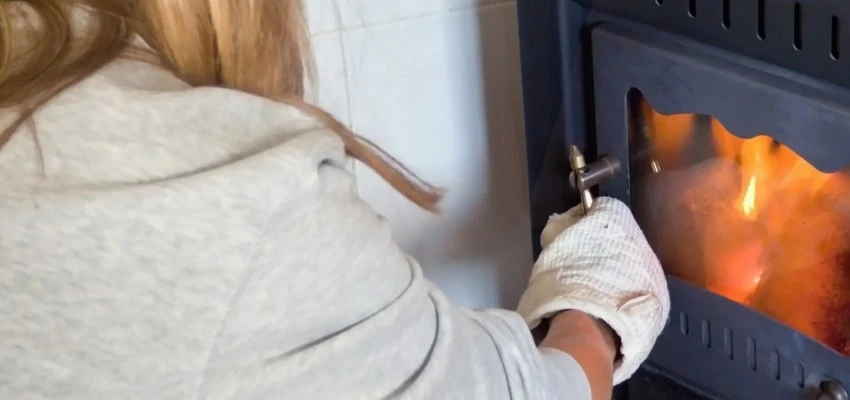
Catch a weak thermocouple early with Gas Fireplace Maintenance