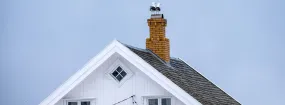
A smoky smell on a humid afternoon, scratching above the damper, a fire that refuses to draw: chimneys tend to announce trouble in small ways first. If one of those moments led you to search for “chimney nest removal”, you are in a good place to start. This page walks through chimney nest clearing for buildings around Chilliwack, explaining what usually causes problems, what a visit involves and which simple checks you can make safely on your own.
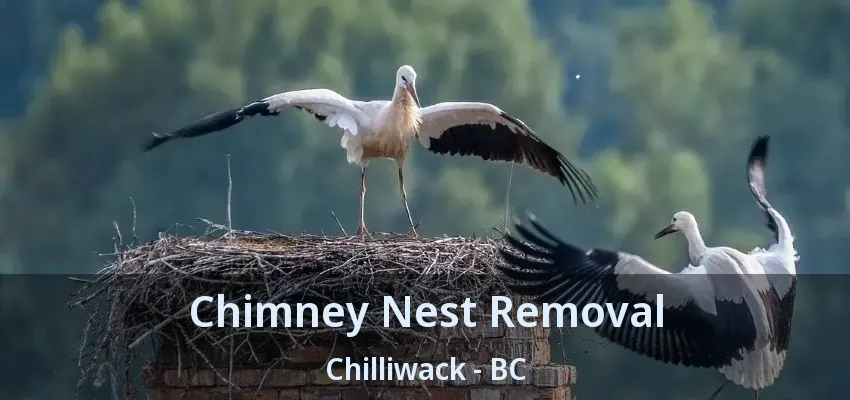
An animal in the chimney can cause both physical damage and real safety hazards, even if it seems harmless at first. Nests and debris can block the flue, so smoke and carbon monoxide from a fireplace or a connected furnace back up into the house. Dry nesting material is also flammable. Raccoons can tear loose caps, damper plates and the mesh that keeps others out, while droppings and trapped animals leave stains and strong odors in masonry. An animal that gets past the damper can end up loose indoors. Take any sign of wildlife as a reason to stop using the fireplace and have the chimney checked.
To a bird, an uncapped chimney looks a lot like a hollow tree: tall, sheltered from wind and rain and hard for predators to reach. Some species naturally nest on vertical surfaces and have adapted to chimneys as old trees have become scarce, and some of them are protected, so active nests are left until the young have flown. The smoke shelf and the ledges where flue tiles meet give them places to build. Warmth rising from a furnace flue can make a chimney more attractive in cooler weather. A properly fitted cap removes the opening, which is why most chimney nest clearing visits finish with a cap check or installation.
Signs of a chimney fire include a loud roaring or popping sound, dense smoke, a strong hot smell and sparks or flames from the top of the chimney, but many chimney fires burn quietly and are only discovered later. Afterward you might notice puffy, honeycomb-like flakes of creosote on the roof or ground, a warped damper or cap, cracked flue tiles or discolored metal. If you think a fire is happening, get everyone outside and call the fire department. If you suspect one happened in the past, stop using the fireplace or stove until the chimney has been inspected.
Sound is usually the first clue, and the kind of sound tells us a lot before we even climb the roof. A high chirping that grows louder over a few weeks often points to a brood of young birds. Heavier thumps and chattering at night suggest a raccoon, often a mother using the smoke shelf as a den. Frantic scratching that never seems to move upward usually means a squirrel has fallen in and cannot climb the slick liner. On site we also look for droppings and nesting material at the damper, and for fur, claw marks or bent mesh around the cap.
We remove animals humanely by working with their habits instead of against them. First we identify what is inside, because a brood of young birds, a raccoon mother with kits and a single trapped squirrel each call for a different plan. Young birds usually need a short wait until they can fly. A raccoon mother will often move her litter once the den feels disturbed, after which we fit a one-way door to confirm everyone is out. A trapped squirrel can sometimes climb out on a rope or board lowered into the flue. When a situation calls for a wildlife specialist, we say so and coordinate with them.
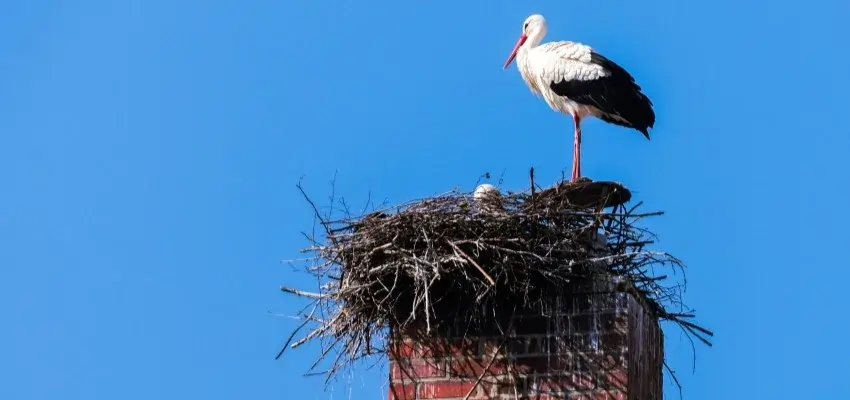
Old nests are often harder to remove than fresh ones because they have been packed down, dried out and sometimes coated with soot. The technician usually breaks the material apart from below with hand tools or a rotary head, while a vacuum collects the debris before it reaches the room. Nests built higher in the flue may be pulled down from the roof. Once the bulk is out, the flue is swept and checked with a camera for leftover material wedged at ledges or joints. A careful “chimney nest removal” job also confirms the damper plate moves freely afterward.
Keep everything closed and quiet until help arrives; that is the advice we give on nearly every call like this. A shut damper keeps the animal on the chimney side, where it is safer for everyone. Many trapped animals settle once the house is calm, which makes removal easier. We ask owners not to try smoke, noise devices or poles, because a panicked animal can injure itself or end up behind a wall. The more you can tell us about the sounds, the time of day and whether they move up or down, the clearer our plan will be before we set up the ladder.
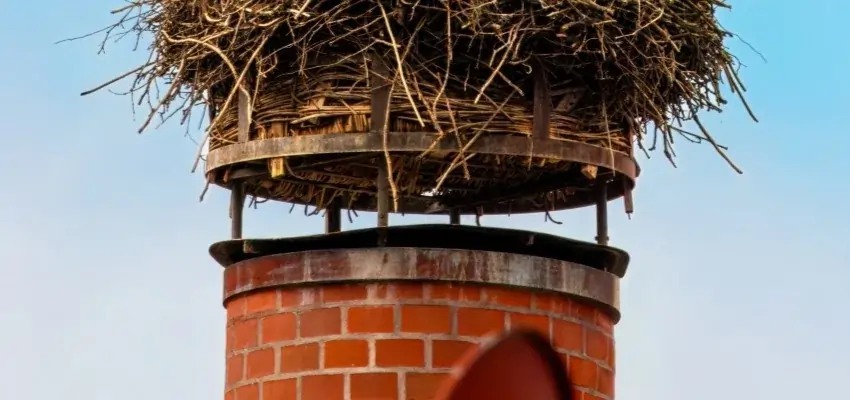
A sturdy chimney cap with mesh sides is the surest way to keep animals out, combined with a damper that stays closed whenever the fireplace or stove is not in use. The cap should fit the flue snugly and be firmly fastened, because raccoons can pry off loose covers. Have branches that overhang the roof trimmed back, since they give squirrels and raccoons an easy route to the chimney. Look at the cap from the ground after strong winds. If an animal has already been inside, have the nesting material and droppings cleaned out before the next fire, and ask whether any gaps around the crown need sealing.
The smell lingers because the source is rarely just the animal; it is everything the animal left soaked into porous masonry. When we clean up after wildlife, we bag out the nest, scrape the smoke shelf and damper, sweep the full flue and look with a camera for anything wedged at tile joints. On brick that has absorbed a lot, we apply an enzyme-based or chimney-specific deodorizer and leave the damper closed while it works. Most odors fade noticeably after that. If one returns on muggy days, there is usually a pocket of material we have not reached yet, and a second look finds it.
Moving brings a long list of unknowns, and the condition of your chimney is one of them. A visit from Chimney Sweep Chilliwack replaces guesswork with a clear picture. Schedule chimney nest clearing as part of settling in.
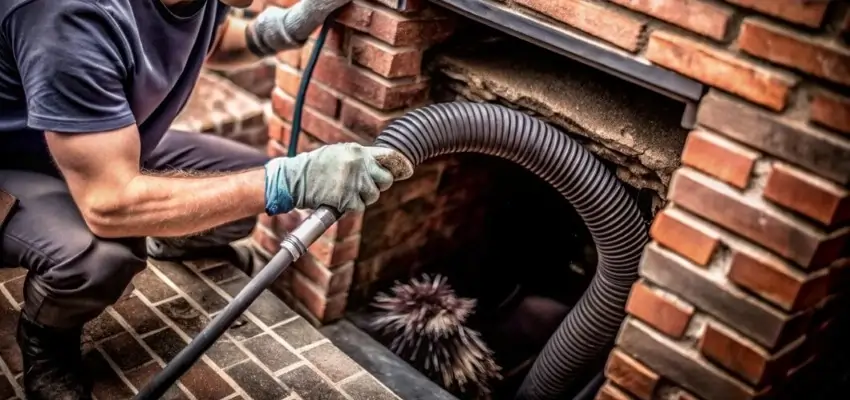
Less smoky smell, steadier flames: Chimney Cleaning around Chilliwack
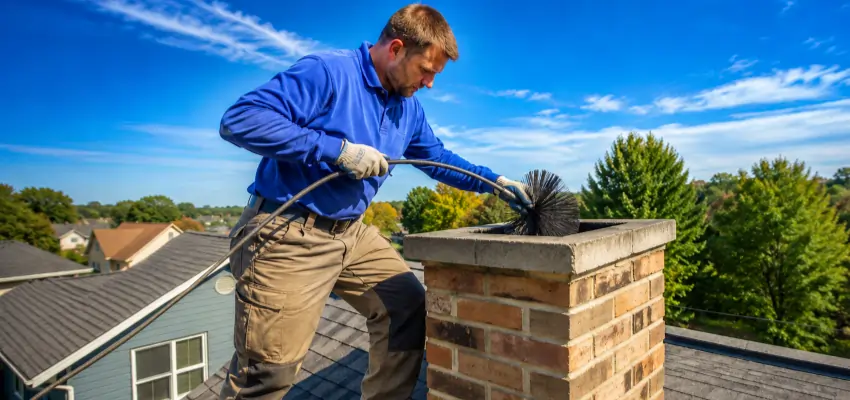
Chimney Sweep visits that leave Chilliwack living rooms clean
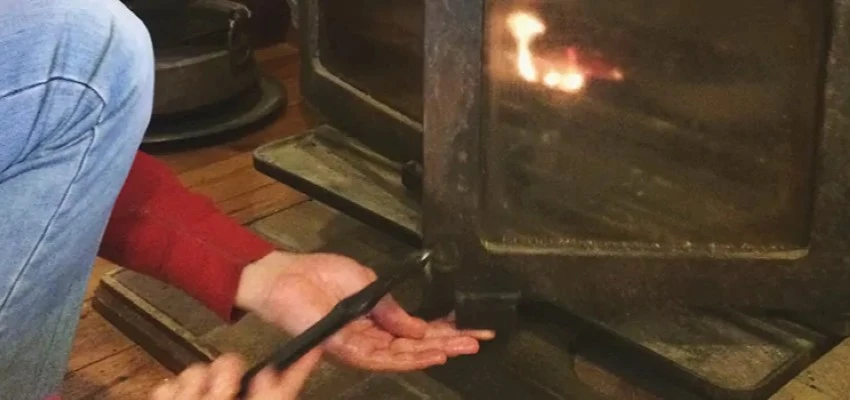
Swept and checked: Chimney Sweep Services in Chilliwack
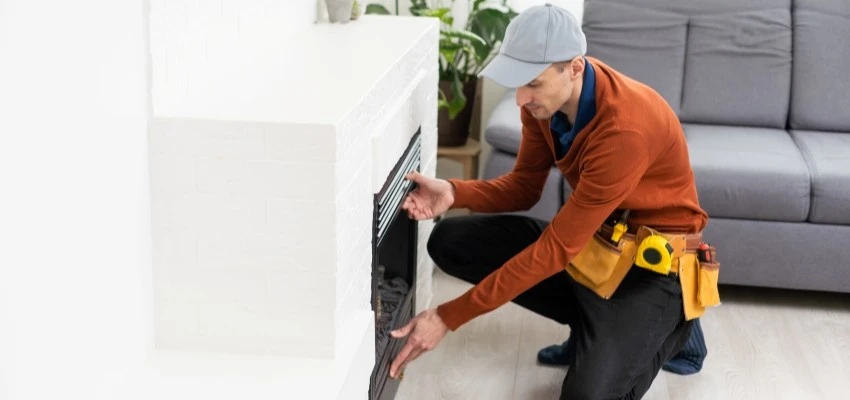
What Fireplace Experts check in your Chilliwack chimney
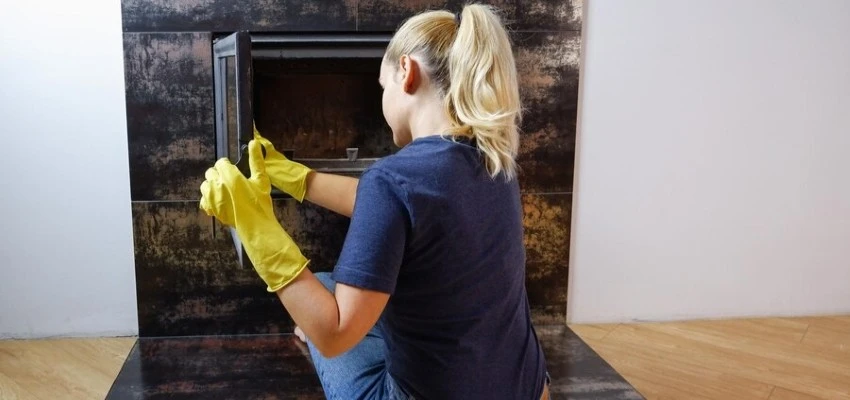
Hazy glass and dusty logs? Gas Fireplace Cleaning in Chilliwack
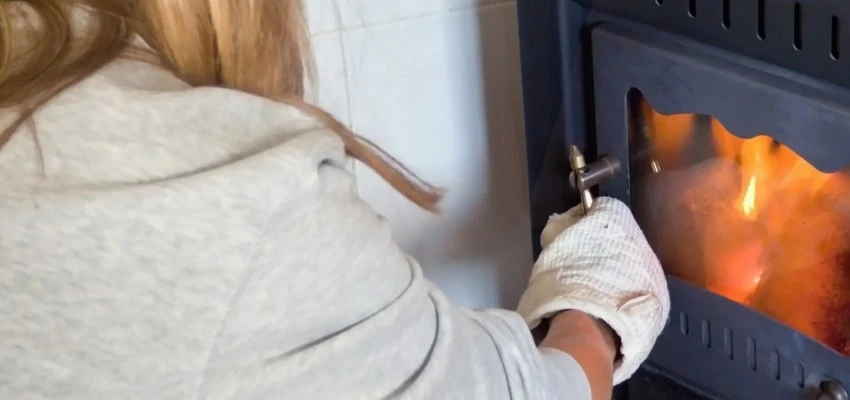
Catch a weak thermocouple early with Gas Fireplace Maintenance