The questions on this page come from real conversations with homeowners, usually on the driveway while everyone is looking up at the roof. If “chimney remodel” brought you here, you are in good company. The answers explain chimney renovation for homes around Chilliwack without jargon or sales talk, so you can decide what your chimney needs and when. Read the questions that apply to your home and skip the rest.
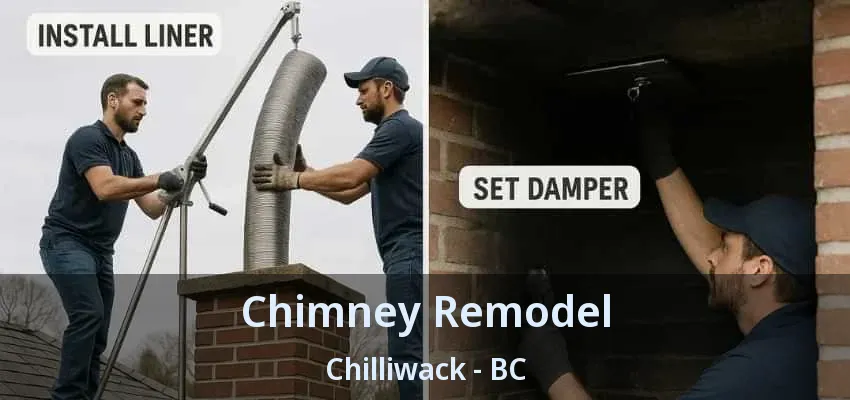
A remodel involves changing a chimney’s look, its function or both, and most of the projects we see start from one of those two goals. Looks-driven projects might mean new stone veneer, a fresh brick face, decorative corbels or pots. Function-driven projects might mean raising the stack to improve draft, relining for a new insert or taking down a chimney that no longer serves anything. Often the two overlap. Our job is to make sure the new look does not trap water, add more weight than the structure can carry or interfere with how the appliance vents.
Yes. A chimney that no longer serves any appliance can be taken down below the roofline, with the roof patched over, or capped at the top so rain and animals stay out while the structure remains. Full removal through the house is a bigger job because it affects floors, walls and sometimes structural support, so it needs careful planning. Partial removal is common when the top section is damaged. If you keep the chimney, a vented cover helps limit moisture buildup inside. Anyone considering a “chimney remodel” project like this should confirm that nothing, including a furnace or water heater, still uses that flue.
A chimney is an engine that runs on temperature difference, and most of the problems we fix come from something upsetting it. Hot exhaust in the flue is lighter than the outdoor air, so it rises and draws combustion air into the firebox. A cold, oversized or leaky flue weakens that pull; a cap clogged with soot, a nest or a top that sits below a nearby roof peak can block or even reverse it. That is why we care about the height of the stack, the size and condition of the flue and whatever is sitting on top. Get those right, and smoke goes where it should.
Often, yes. Thin stone veneer, natural or manufactured, can be applied over sound brick or over a framed chase with the right backing, lath and drainage details. The existing surface must be solid and clean, and the veneer needs flashing and a way for moisture to escape at the base so water does not get trapped behind it. Weight is a consideration on older chimneys. If you are planning a “chimney remodel” with stone in mind, ask how the veneer will be attached, how the top will be finished and how the work will meet the roof.
Expect the crew to arrive, confirm the plan with you and protect the work area before anything else. Inside, that usually means drop cloths around the fireplace and sometimes plastic sheeting over the opening. Outside, ladders or roof equipment are set up and the area below the chimney is kept clear. The main work then follows the agreed scope, with pauses for materials to set if masonry or coatings are involved. At the end, the crew should clean up, show you the finished work or photos of it and explain any care instructions, including when the fireplace can be used again.
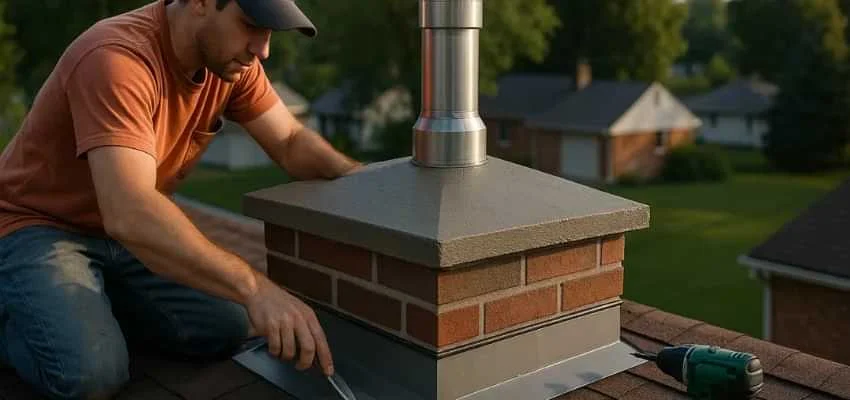
Many chimney jobs take a single day, while larger projects can run several days or more. Fitting a pot or cap, applying a water repellent or making a small flue repair is usually done in one visit. Relining a flue or installing a factory-built chimney often takes a full day, sometimes two. Remodeling, rebuilding or replacing large sections of masonry stretches longer, because mortar and concrete need curing time between steps. Weather can add days to any outdoor work. Ask for both the hours on site and the total span from start to finish.
The cost of chimney work depends on the scope, the materials, the height and pitch of the roof and the condition of what is already there. A short chimney on a gentle roof is simpler to reach than a tall one on a steep or three-story house. Materials range widely, from a repellent or standard pot to custom stainless parts, insulated liners or factory-built chimney kits. Hidden problems found once work begins, such as cracked tiles or rotted framing, add to the total. A written quote that lists each item lets you compare offers on equal terms.
Mostly no, and the reason is risk rather than complexity. Roof work at height, heavy pots, flue liners and anything involving venting or gas can hurt people or the house if done wrong. What we encourage is observation: photos of the chimney top after storms, a note of when the fireplace started smoking, a look at the firebox for fallen debris. Those notes make our visits faster and more accurate. Store-bought sealers are a common DIY mistake, since the wrong product can trap moisture and damage brick. Leave products and climbing to us, and keep your carbon monoxide alarms tested.
A good chimney quote lists the work item by item, the materials and sizes, how access will be handled, the expected timing and what happens if hidden damage is found. It should say whether clean-up, disposal, any permits needed and a follow-up visit are included. When comparing quotes, line them up side by side and check that each covers the same scope; a much lower price often means fewer items, thinner materials or a shortcut such as a coating instead of a repair. Ask each company to explain anything you do not understand before you sign.

If you can safely snap a picture of what worries you, mention it when you get in touch. It helps the technician bring the right tools and plan the visit. Reach out to Chimney Sweep Chilliwack and we will tell you how to share it.
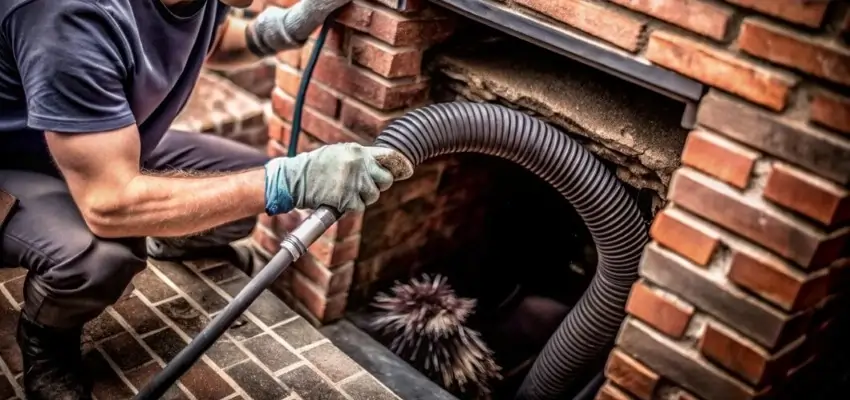
Less smoky smell, steadier flames: Chimney Cleaning around Chilliwack
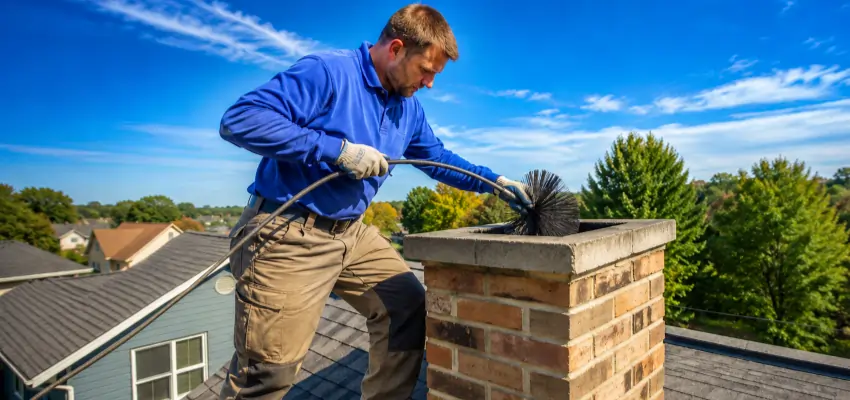
Chimney Sweep visits that leave Chilliwack living rooms clean
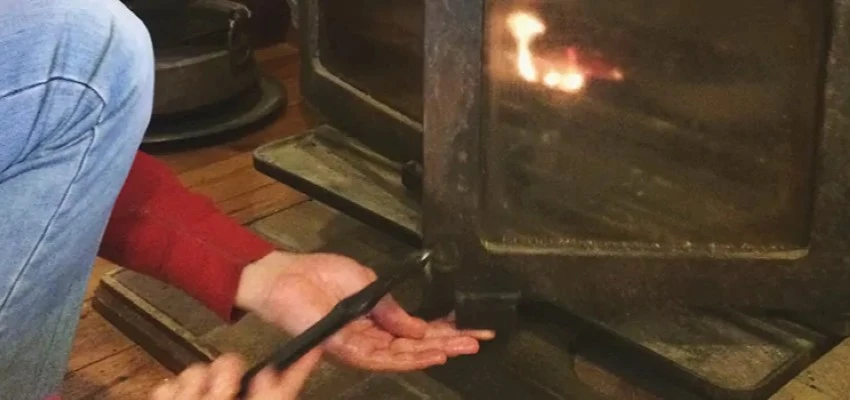
Swept and checked: Chimney Sweep Services in Chilliwack
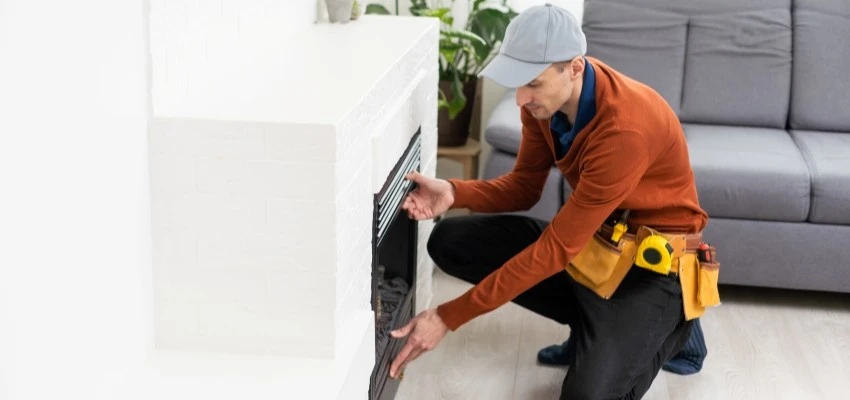
What Fireplace Experts check in your Chilliwack chimney
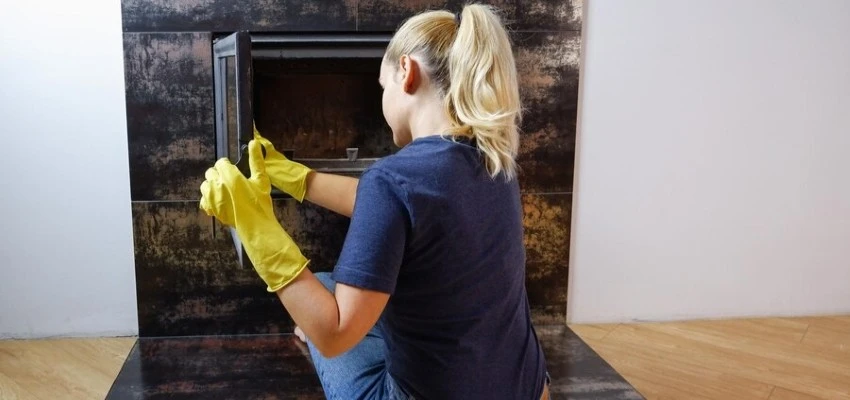
Hazy glass and dusty logs? Gas Fireplace Cleaning in Chilliwack
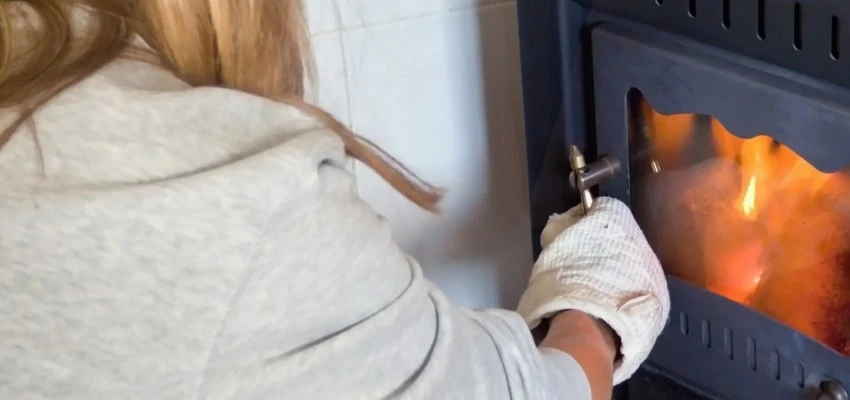
Catch a weak thermocouple early with Gas Fireplace Maintenance