Some of the most useful chimney conversations happen after the tools are packed, when the owner finally asks what they have always wondered. This page puts those questions up front. If you searched for “creosote removal” in Chilliwack, you will find how creosote removal is usually approached, what differs from one flue to the next and where your own observations can help the technician do a more thorough job.

A chimney needs sweeping because every fire leaves deposits inside the flue, and if they are never removed they turn into a fire hazard and an obstruction. The main culprit is creosote, a tarry residue from wood smoke that burns hot and fast once it ignites. Buildup also narrows the passage, so smoke drifts back into the room and fires get harder to start. A swept flue drafts better, smells less and gives whoever cleans it a clear view of the liner, damper and cap, which is often how cracks, rust and loose parts are caught while they are still small.
Very little creosote comes from gas, so sweeping is needed far less often than with wood, yet we still find plenty to deal with when we look up a gas chimney. Gas exhaust carries a lot of moisture, and in a cold masonry flue that moisture condenses, mixes with combustion byproducts and slowly eats at mortar joints and clay tiles. Crumbled material piles up at the base, sometimes with an old nest on top. Black soot around the opening of a gas appliance is another warning sign; it usually points to a burner problem for a qualified gas technician to sort out. A yearly check of the flue path, cap and connections is a common recommendation for that reason.
The obvious signs are noise, smoke and flames at the top, but the ones we look for are what a fire leaves behind. Creosote that has burned swells into a light, porous crust that looks a little like charcoal sponge. Clay tiles crack or shift, metal liners and caps can buckle or turn blue, and the mortar near the top may show heat damage. We sometimes find these marks in chimneys whose owners had no idea anything happened, because a slow fire can burn out on its own. That is why a camera inspection is the usual next step whenever there is any doubt about a past fire.
During a chimney sweep, the technician scrubs the inside of the flue from top to bottom and removes the loosened buildup without spreading it through the room. A typical visit starts with drop cloths around the hearth and a powerful vacuum set up at the fireplace or stove opening. Brushes sized to the flue are run through on flexible rods, from below, from the roof or both. The smoke chamber, damper and firebox are cleaned as well. Most sweeps finish by checking the cap and the visible parts of the chimney and telling you what they saw, including anything that needs attention later.
Yes, and for heavy wood users a mid-season cleaning is often a smart move. The fireplace or stove simply needs to be out and cool for the visit, so plan on skipping fires for a day beforehand. Many households that heat mainly with wood schedule one sweep before winter and another partway through, especially if they notice flakes falling or a weaker draft. There is no reason to keep burning on a dirty flue just because the season is under way. Ask about creosote removal availability early, since midwinter calendars can still be busy.

Someone usually needs to be home during a chimney visit, because most of the work starts at the fireplace or stove inside. An adult who can let the technician in, show where the appliances are and answer a few questions is enough. Try to be around at the end too, when the findings are explained and you can ask about anything that was noted. Roof-only tasks, such as checking a cap, can sometimes be done while you are out, but agree on that in advance. Landlords can arrange for a tenant or property manager to be present instead.
Let them cool completely, then scoop them out along with the ashes into a metal container with a tight lid, and store it outdoors away from the house and anything that burns. Creosote is flammable, so never leave piles of it in the firebox or toss it into a compost bin or paper bag. Avoid household vacuums, which can clog or spread fine dust. A steady trickle of flakes is a sign the flue is shedding buildup and due for attention. Mention how much you have been finding when you book “creosote removal”, since it helps gauge the job.
Any home with a fireplace, wood stove or gas appliance should have working carbon monoxide alarms on every level and near sleeping areas, along with smoke alarms. Carbon monoxide has no color or smell, so an alarm is the only dependable warning if a blocked or damaged flue pushes exhaust back indoors. Test alarms monthly, change batteries as the maker suggests and replace the units when they reach the end of their stated life. If a CO alarm sounds, get everyone outside and call the fire department from outdoors. Do not go back in until you are told it is safe.
You can handle simple upkeep yourself, but the sweeping is usually a job for a professional, and creosote sweeping logs only loosen some deposits rather than replacing a real cleaning. Safe tasks include removing cold ashes, keeping the hearth clear, looking up the flue with a flashlight when the fire is out and checking the cap from the ground with binoculars. Full sweeping means roof work, brushes matched to the liner and a way to contain soot indoors, and it skips the inspection a trained technician does at the same time. Leave anything involving the liner, masonry or gas parts to professionals.

We agree on the scope and the price before any work begins, and we check in with you if we find something that changes the plan. Request your quote for creosote removal and see exactly what is included for your home.
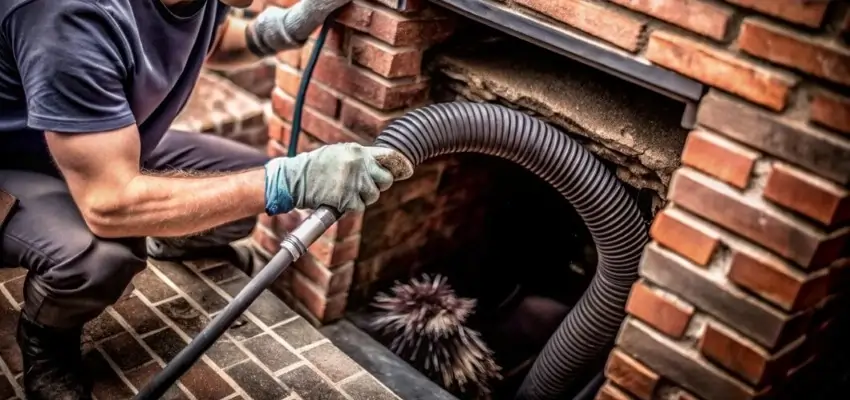
Less smoky smell, steadier flames: Chimney Cleaning around Chilliwack
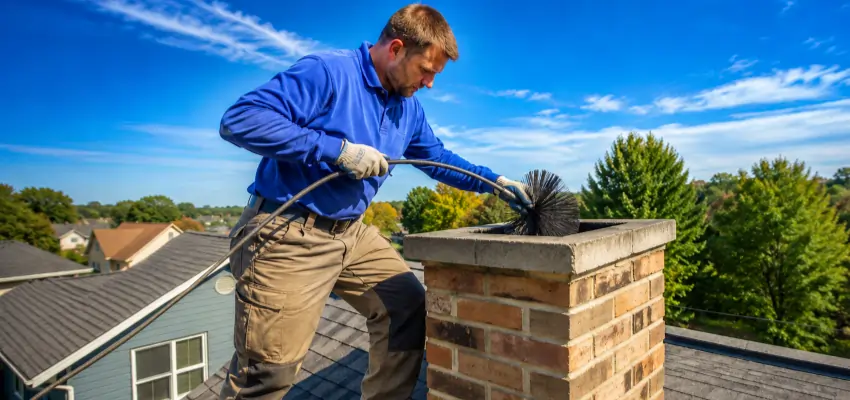
Chimney Sweep visits that leave Chilliwack living rooms clean
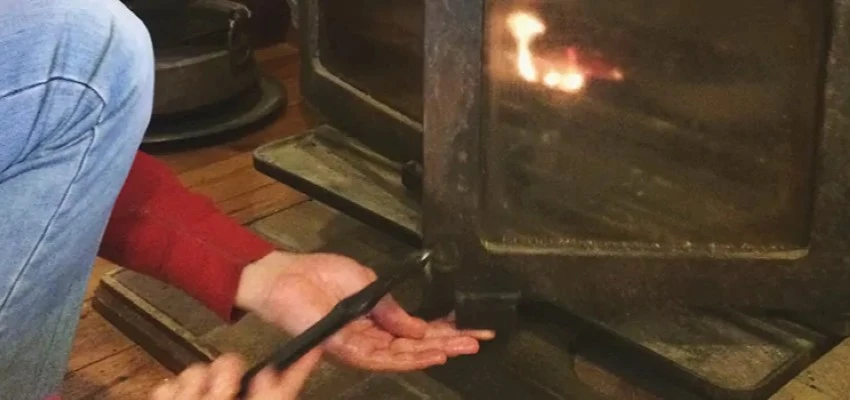
Swept and checked: Chimney Sweep Services in Chilliwack
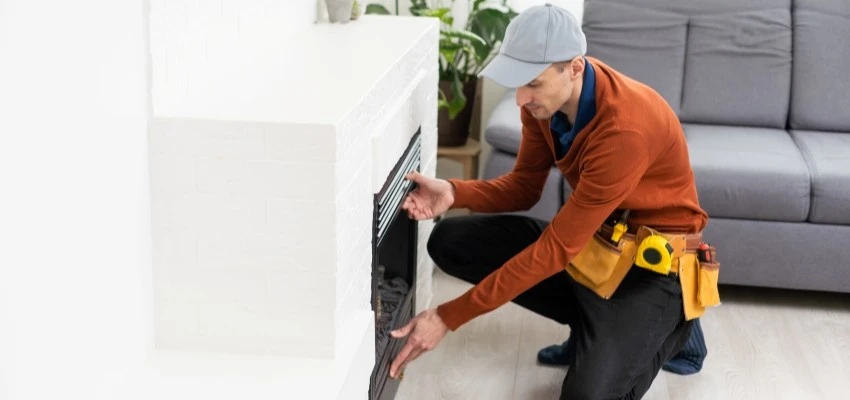
What Fireplace Experts check in your Chilliwack chimney
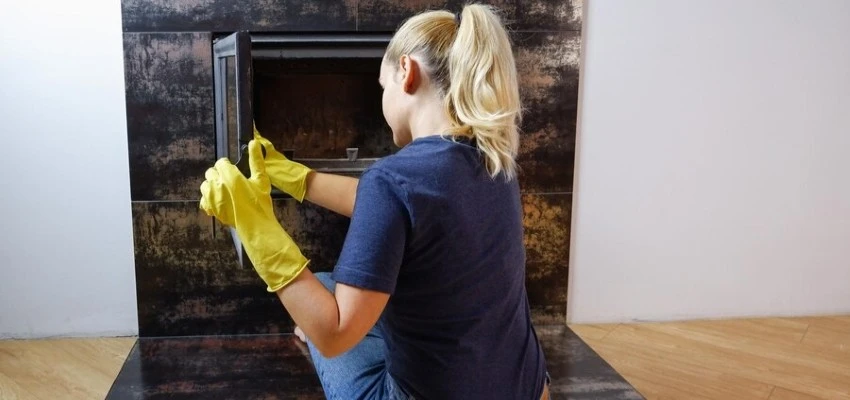
Hazy glass and dusty logs? Gas Fireplace Cleaning in Chilliwack
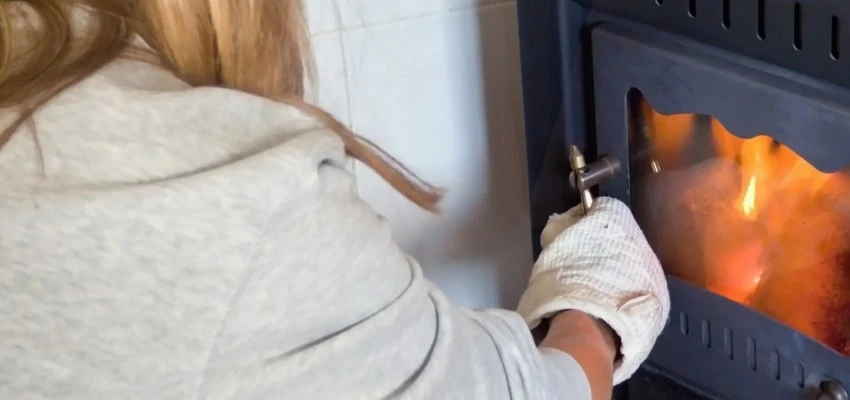
Catch a weak thermocouple early with Gas Fireplace Maintenance