Few machines in a household run as often as the clothes dryer, yet almost nobody gives a thought to the pipe that carries its exhaust away. Every load sends warm, wet air and a little fluff through that hidden route, and as lint narrows it, cycles drag on and the cabinet heats up. If a search for “dryer lint cleaning” led you to this page, it walks through how dryer lint cleaning works for an ordinary home in Chilliwack, from the first phone call to the test run at the end.
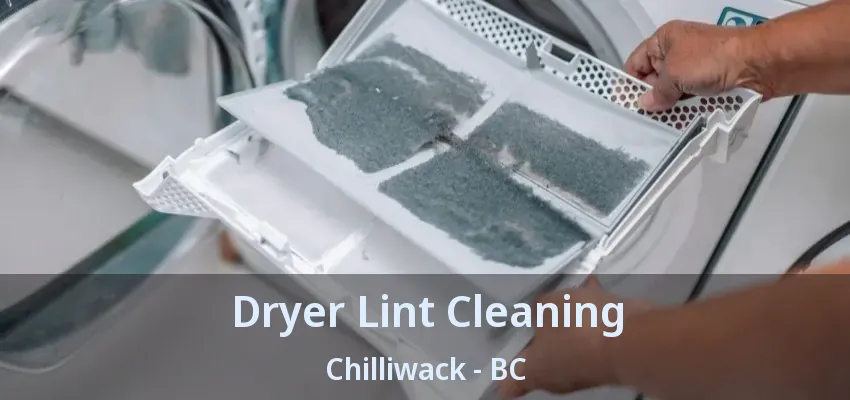
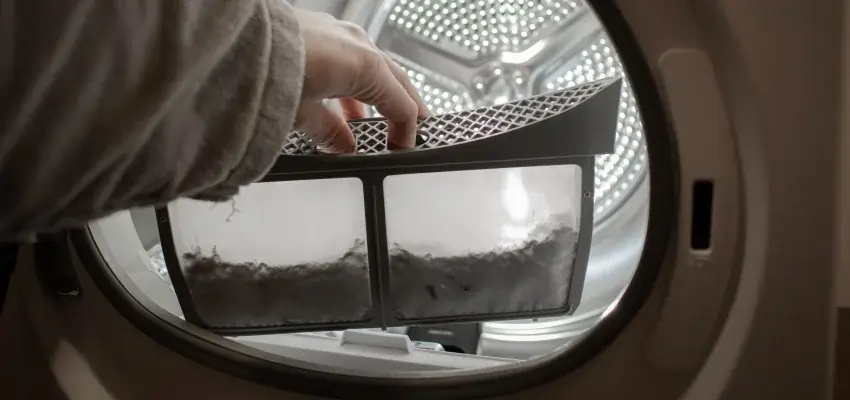
No, and plenty of homeowners in Chilliwack who clean the screen religiously are surprised by what comes out of the duct. The screen is a filter with fairly large openings, so it stops the visible fluff while the finest particles travel on with the air. Those particles stick wherever the airflow slows, especially at elbows and at the exterior hood. Damp lint is heavier and clings even more. A spotless screen tells you the first stage is working; it says nothing about the length of pipe beyond it, which needs its own cleaning on a regular schedule.
Dryer vent cleaning matters because the vent is the only way hot, moist air and loose lint can leave the machine. When lint narrows that path, the dryer has to run longer to finish each load, which wastes energy and wears out parts such as the heating element and blower. Heat also builds up inside the cabinet and duct, and lint ignites easily. Keeping your dryer vent clear helps loads dry on time, keeps the laundry room cooler and reduces a known fire risk in many homes. It is a small job compared with replacing a dryer that has been straining for too long.
Get the nest removed and the duct behind it cleared before the next load; we pull nests out of dryer vents more often than most people expect. Birds like the warmth and shelter of a hood whose flap is stuck open or missing, and a low wall vent near a deck or roofline is an easy target. Mice and other small animals sometimes move in too. The nest itself is only part of the job, because the debris usually pushes a plug of lint back up the duct. After clearing it, we confirm the flap closes on its own and recommend a guard style that discourages nesting without trapping lint at the opening.
A thin, even layer after each load is normal, and a thicker mat after towels or bedding is expected too. What is not normal is finding almost nothing on the screen after a full load of towels, because it can mean lint is slipping around a damaged screen or the dryer is not moving enough air to carry it there. Lint collecting on the floor around the dryer, inside the door seal or on the wall behind the machine is another warning. Either case is worth mentioning when you book dryer lint cleaning, since it points to where the fibers are escaping.
We clean roof vents from the laundry side first and finish at the cap, and they are some of the most packed vents we see. Lint travels up the vertical section, loses speed and falls back, so it builds in layers near the bottom of the riser and again at the cap. Many roof caps were never designed for dryers and have small openings or screens that collect lint quickly. Our rods have to be long enough for the full rise, and we only go up to the cap when the weather and pitch make it safe to be on the roof. Sometimes we suggest a cap made for dryer exhaust, which stays clear much longer.
We tell most households to plan on yearly cleaning and then adjust based on what we find. If we pull a thick layer of lint out of the duct after twelve months, that home should come back sooner. If the run is short and only lightly coated, stretching the interval is reasonable. Laundry volume is the biggest factor, followed by vent length, the number of bends and how much pet hair or towel fluff goes through the machine. Writing down the date of each cleaning, with a note about how much came out, makes the right schedule easy to see.
Yes, someone usually needs to be home for dryer vent cleaning, since most of the work happens indoors at the dryer. An adult who can let the technician in, point out the laundry area and answer a question or two is enough. Plan to be around at the end as well, when the dryer is reconnected and tested and the results are explained. If you cannot be there, ask whether a family member, neighbor or property manager can stand in. For rental homes in Chilliwack, landlords often arrange access with tenants ahead of time so nobody is caught off guard.
Honestly, a careful homeowner can keep a short vent in decent shape between our visits. Where DIY goes wrong is on long or hidden runs. We regularly find brush heads stuck halfway up a duct, joints pulled apart by an overenthusiastic drill and lint packed tighter by a brush pushed in from the wrong end. Gas dryers add the risk of straining the supply connection when the machine is moved. Our advice: handle the screen, the slot and the outside hood yourself, and call a professional for the duct itself, especially if it has more than a couple of bends.
A dusty laundry room usually means lint is escaping before it reaches the outside. Common reasons include a hose that has slipped off its fitting, a gap at the wall connection, a worn door seal or a torn screen. Some fluff also drifts out when you empty the screen. Wipe surfaces with a damp cloth rather than a dry duster, and check the connection behind the dryer. If the dust returns quickly, a “dryer lint cleaning” visit can find the leak and seal it, which keeps the room cleaner and sends the lint where it belongs.
Many homeowners like to schedule this before the busiest heating or cooling months, when everything is about to work hardest. If that sounds like a sensible plan for your home in Chilliwack, reserve a visit with Chimney Sweep Chilliwack and we will confirm a time with you.
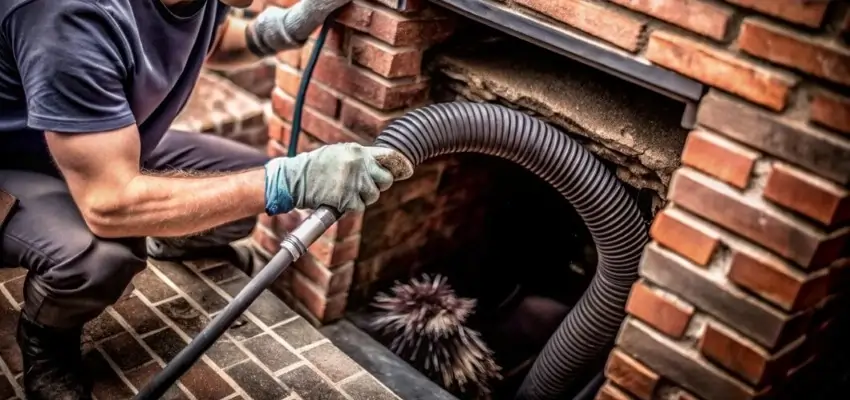
Less smoky smell, steadier flames: Chimney Cleaning around Chilliwack

Chimney Sweep visits that leave Chilliwack living rooms clean
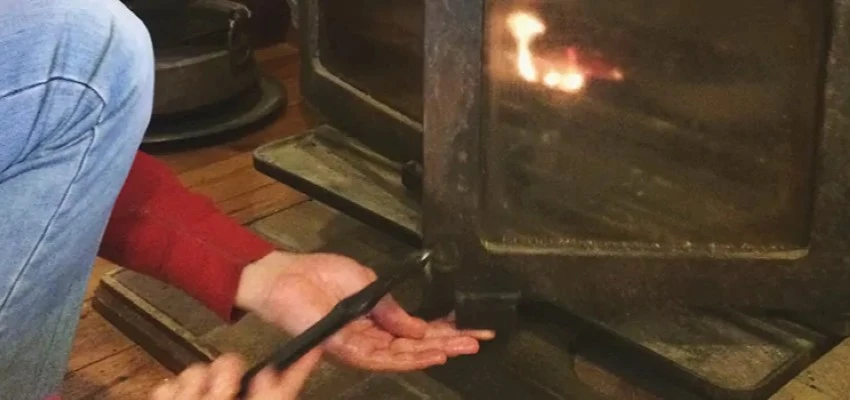
Swept and checked: Chimney Sweep Services in Chilliwack

What Fireplace Experts check in your Chilliwack chimney
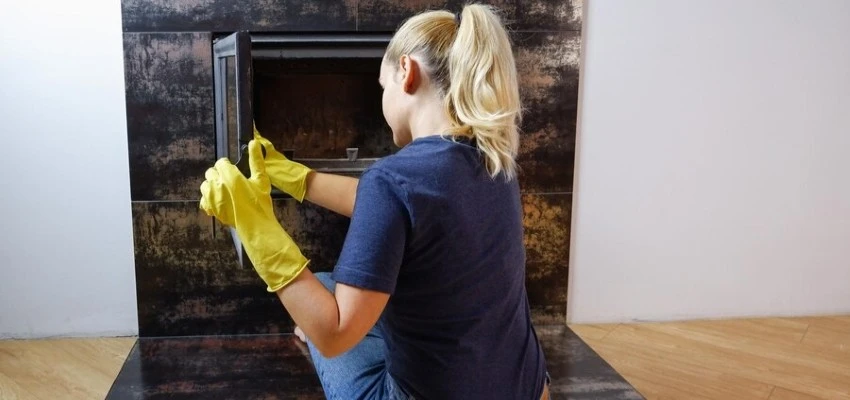
Hazy glass and dusty logs? Gas Fireplace Cleaning in Chilliwack
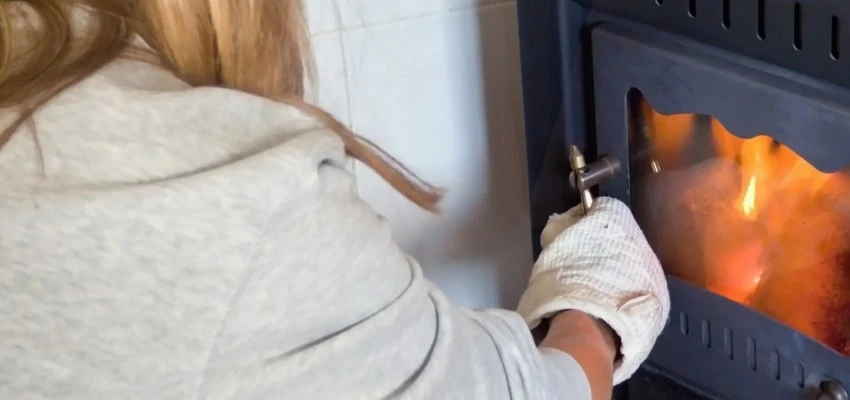
Catch a weak thermocouple early with Gas Fireplace Maintenance