Lint is sneaky. The screen catches most of it, yet a fine layer still slips through and settles along the inside of the duct, at every bend and around the outside hood. Over months, that layer adds up to a real restriction. If you found this page by looking up “dryer vent cleaning”, here is what households in Chilliwack usually want to know about dryer vent service, explained clearly and without exaggeration or scare tactics.
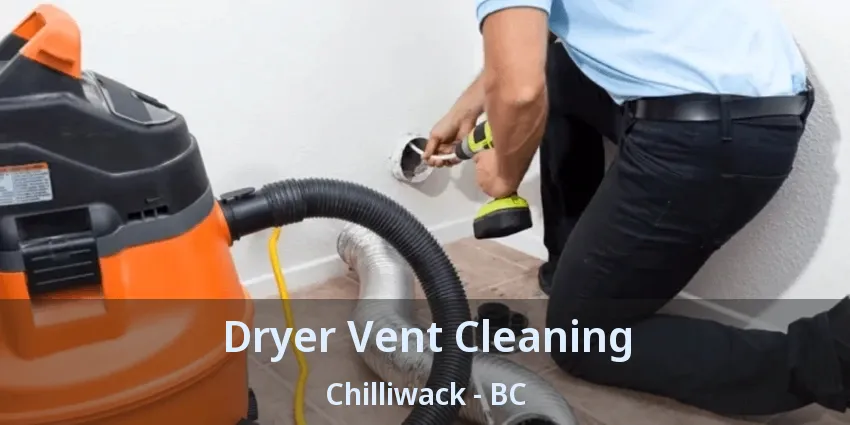
Our cleaning method is nearly identical for both, but we handle a gas dryer with a little more care. Its exhaust carries combustion byproducts as well as moist air, so a restricted vent is about more than drying time. When we pull a gas unit away from the wall, we move it slowly to avoid straining the flexible gas connector, and we make sure nothing is kinked once it is back in place. We also remind homeowners to test their carbon monoxide alarms regularly. With electric models, our extra attention goes to the heavy power cord and the outlet as the machine slides out.
The clearest sign of a clogged dryer vent is laundry that takes longer to dry than it used to. Other clues tend to show up alongside it:
One sign alone may have another cause, but two or three together usually point to a restricted vent that deserves a proper check.
Trapped moisture almost always means the exhaust is moving too slowly, and it is one of the more useful clues we get. Every load of wet laundry releases a surprising amount of water as vapor, and all of it has to travel through the duct. If the air slows down, it cools before it gets out, and the water drops out inside the pipe. We find this most in long runs through unheated attics, garages and crawlspaces, and in ducts that sag and let water pool. Wet lint turns into a paste that blocks airflow faster than dry lint does. Correcting the slope, insulating exposed sections and clearing the buildup usually solves it.
A dryer vent that ends on the roof is cleaned the same basic way as a wall vent, but it usually takes more time and needs roof access, so it is a job to leave to a professional. The technician typically cleans from inside first, then goes up to clear the roof cap, which often has a lint-clogged screen or a flap that has stuck. Roof vents tend to clog faster because the air has to push lint upward over a longer run. If your dryer vents through the roof, mention it when you book so the right ladders and rods come along.
Condo and townhouse dryer vents need regular cleaning just like detached homes, and often more, because their runs tend to be longer and harder to reach. A vent may travel across a ceiling to an outside wall, up through a roof or to an exterior wall several rooms away from the laundry closet. Before booking, check with your building management or association: some buildings clean all vents on a schedule, some require access to a balcony or roof, and some only allow work at set times. Knowing those rules ahead of time keeps the visit simple.
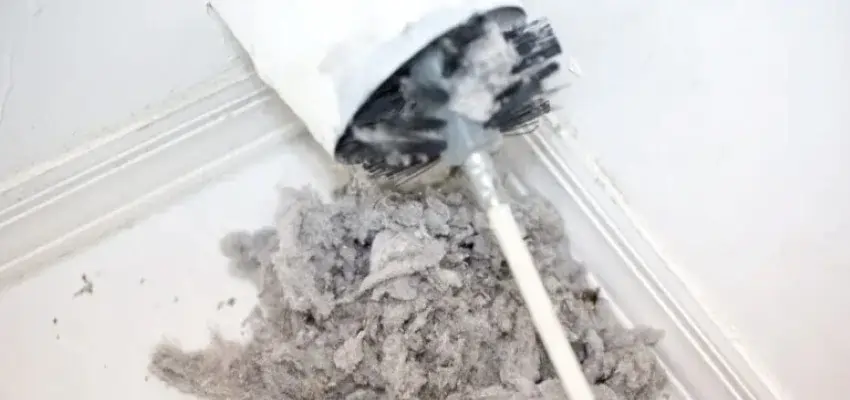
Mostly lint, but rarely only lint. A typical haul is gray fluff mixed with pet hair, often packed into felt-like plugs at the elbows. Damp vents give up a sticky paste of fibers and dryer-sheet residue. Other finds include coins, hair ties and small items that slipped past a torn screen, twigs and grass from a nest and the odd insect at the outside hood. The debris tells a story: a heavy, dry layer points to a long gap since the last cleaning, while wet clumps hint at condensation. Ask to see what came out after your “dryer vent cleaning” visit, since it helps set the next date.
Yes, though usually less often than a long one. A vent that goes straight through the wall behind the dryer carries lint out efficiently, so the duct itself may stay fairly clear. The weak points simply move: the connector behind the machine gets crushed when the dryer is pushed back, and the outside hood collects fluff where the air slows against the flap. Short vents near ground level are also easy targets for nesting birds. Glancing at the flap every few months and booking dryer vent service when drying times creep up keeps a short run working well without paying for visits it does not need.
The visits that go smoothest start with a clear workspace. We need a few feet of room in front of the dryer to slide it out and a spot to set our vacuum and rods. A dryer that has just finished a cycle is hot, so running the last load an hour or two earlier helps. Outside, we need to reach the hood without moving barbecues or stacked firewood, and for roof vents we need firm, level ground to set up a ladder. If there is a pet door, an alarm or a gate code, telling us ahead of time keeps the day on track.
If we were hiring someone for our own homes, we would listen to how they talk about the vent. A company that knows the work asks about the route, the exit point and the dryer type before quoting. It explains how it will clean, not just that it will. It shows you the lint and the airflow difference afterward and tells you plainly when something needs fixing. Tidy work matters too, because lint gets everywhere if equipment is handled carelessly. Clear communication on the phone is usually a good preview of how the visit itself will go.
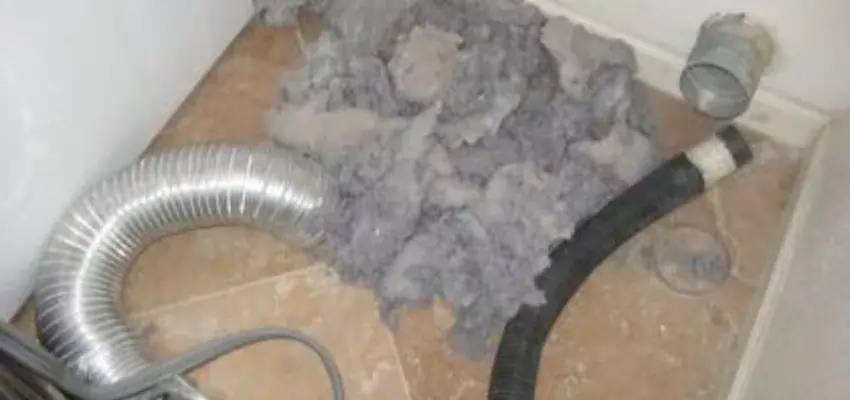
When we know what to expect, we can usually plan everything for a single appointment. Share a few details about your home and your dryer vent ahead of time. Plan dryer vent service with Chimney Sweep Chilliwack and keep the disruption small.
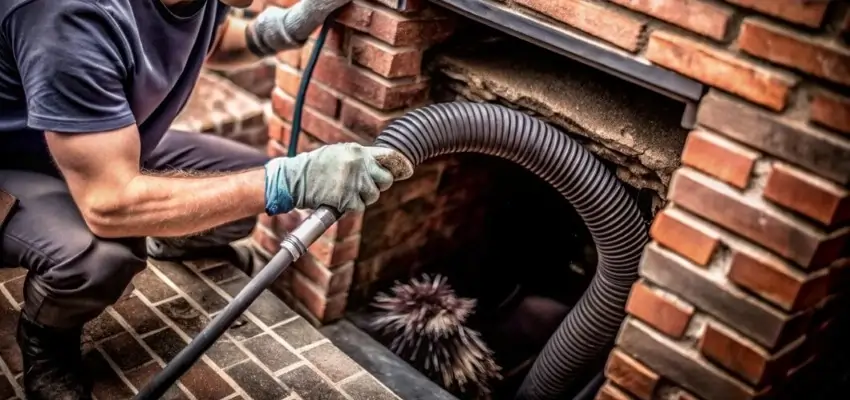
Less smoky smell, steadier flames: Chimney Cleaning around Chilliwack

Chimney Sweep visits that leave Chilliwack living rooms clean
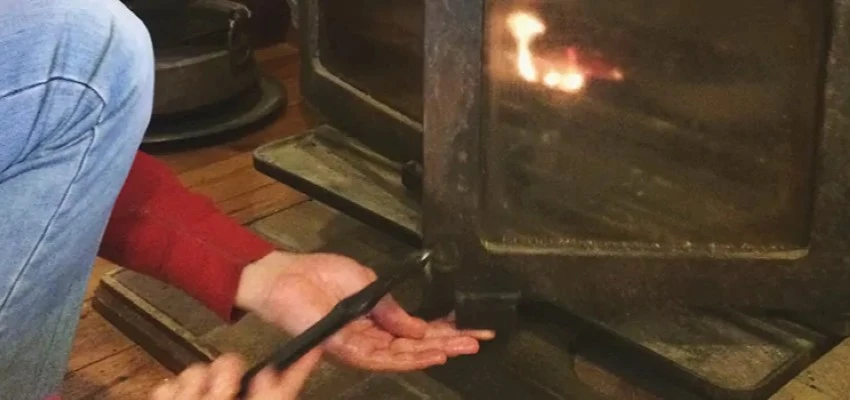
Swept and checked: Chimney Sweep Services in Chilliwack

What Fireplace Experts check in your Chilliwack chimney
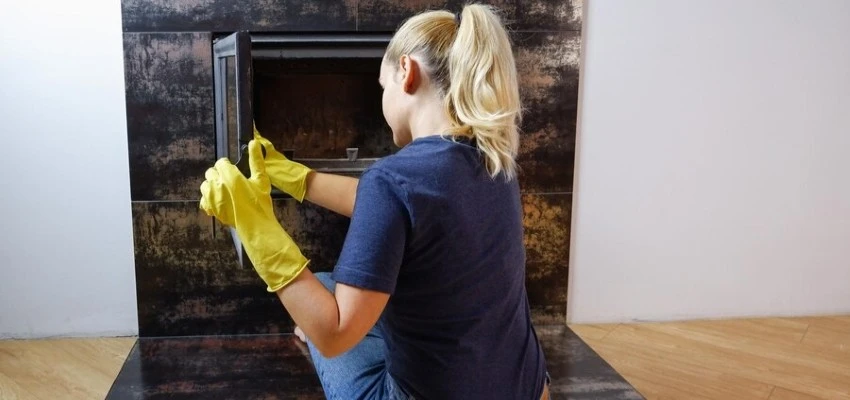
Hazy glass and dusty logs? Gas Fireplace Cleaning in Chilliwack
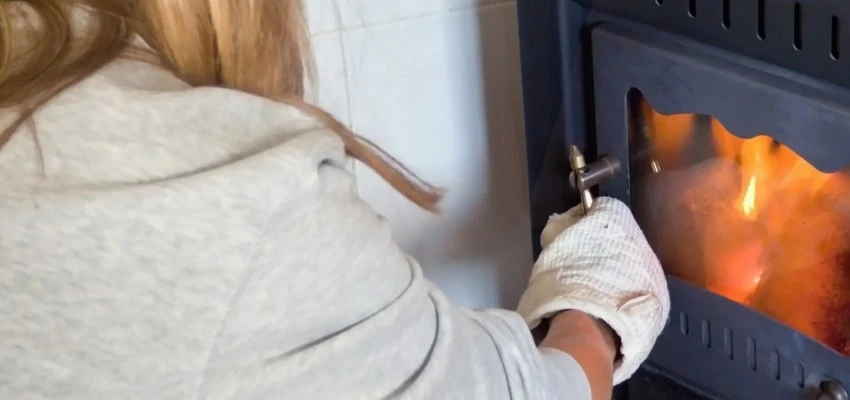
Catch a weak thermocouple early with Gas Fireplace Maintenance