Older homes often come with fireplaces that have seen many winters and a few questionable repairs along the way. If that sounds like yours and you typed “fireplace metal services” into a search bar, you are probably weighing what to fix, what to keep and what to change. This guide is written for homeowners around Chilliwack and explains fireplace metal repair honestly, including the cases where a simpler job makes more sense than a big one.

Usually, yes, as long as the structure behind the visible parts is sound. A fireplace that drafts well and has a solid firebox can often be refreshed or repaired with far less disruption than a full replacement, and the room gains a working focal point again. The value depends on the condition of the masonry, the damper and the chimney, how often you plan to use it and whether the work fixes a safety issue or is mainly cosmetic. Start with an inspection, then choose between cosmetic, repair and conversion work with a clear picture of what each involves.
Fireplace metal work covers the steel and cast iron parts that open, close, protect and hold the fire. That includes glass door frames, mesh screens and spark guards, dampers and their handles, grates, andirons and firebacks, metal surrounds and hoods and the steel fireboxes of factory-built units. These parts deal with heat, soot and moisture, so they rust, warp and loosen over time. If you found this page by searching for “fireplace metal services”, the first step is identifying which part is failing and whether it can be repaired or must be replaced with one sized for your fireplace.
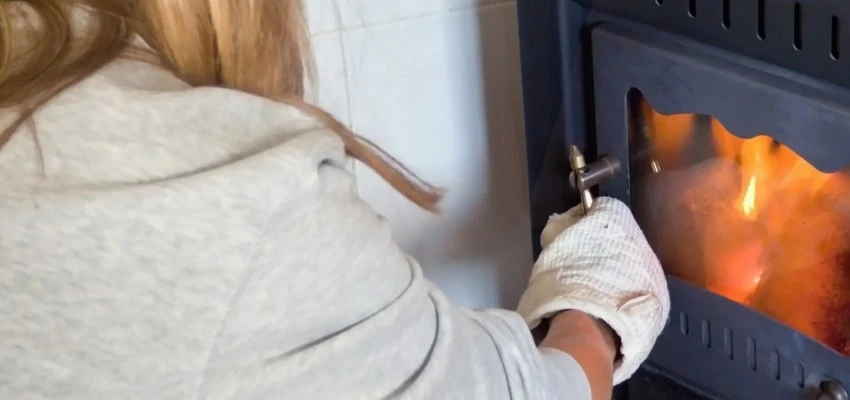
The signs show up in how the doors move and how they look. Doors that drag, sag or spring open, glass with cracks or heavy clouding, mesh with holes that let embers through and frames that have come loose from the masonry are all reasons to call. We see most door damage on fireplaces that were run hot with the doors shut, which overheats glass and metal, and on older sets whose fasteners have rusted. Often the fix is a new hinge pin, a latch, a mesh panel or replacement glass rather than a whole new enclosure.
The giveaways are in how it moves and how the room feels. When we test a throat damper, we work the handle through its full range, watch whether the plate seats on its frame and look for daylight or soot streaks around the edges. Rust scale on the smoke shelf, a pivot that has seized and a plate bowed by heat are common finds. On windy days a loose damper can bang, and a gap you cannot close turns the chimney into a cold draft. Any damper that will not fully open needs fixing before the next fire is lit.
A fireback is a heavy cast iron plate that stands against the back wall of the firebox. It shields the brick from direct flame, which can slow wear on the back wall, and it radiates some heat into the room. Many are decorative, with patterns cast into the face. A fireback should be sized to the firebox and stand slightly away from the wall, and it does not replace repairs to cracked firebricks or joints behind it. If your back wall is in good shape and you burn wood often, adding one during fireplace metal repair is a reasonable, low-disruption upgrade.

A throat damper can often be repaired if the problem is a seized pivot, a broken handle or debris, but a rusted-through or badly warped plate is usually replaced. One common replacement is a top-sealing damper, which mounts at the top of the chimney and closes with a cable that runs down to the fireplace. It seals tightly with a gasket and doubles as a cap that keeps rain and animals out. Its cost depends on the chimney size and access. The right choice depends on the damper’s condition, how the chimney is built and how tightly you want it to seal.
The working time is usually shorter than the calendar time. A damper or firebrick repair may take a few hours, and a surround can be refaced in a few working days, but mortar and adhesives need curing time and gas work needs scheduling and testing. Materials are the other variable: custom stone, a made-to-order mantel or an insert can take weeks to arrive. We give homeowners two dates when we plan: when work starts and when the fireplace can be used again. For most families the second date matters most, especially heading into the colder months.
Clear the area around the fireplace well beyond the hearth: furniture, rugs, artwork above the mantel, screens, tools and anything on the mantel shelf. Stop using the fireplace a day or two before so the firebox is cold, and remove ashes if the crew asks you to. Plan a clear path from the door to the room and a spot to stage materials, such as a garage or driveway. If you are choosing finishes, have samples approved before the start date. Keep pets and children away from the work area and agree on where the crew can wash tools.
Keeping water away is nearly the whole game, because almost every badly rusted damper we replace traces back to it. Missing or damaged chimney caps, cracked crowns and condensation in unused chimneys feed moisture down onto steel and cast iron. Ash left in the firebox over a humid summer acts like a sponge. We recommend a cap, a yearly look at the damper and clearing out ashes at the end of the season. Surface rust on doors or grates responds well to a wire brush and stove paint, but rust that has eaten through a damper plate or firebox panel means replacement.

A few details help us plan the right visit:
Send us your details and we will reply with next steps for fireplace metal repair in Chilliwack.
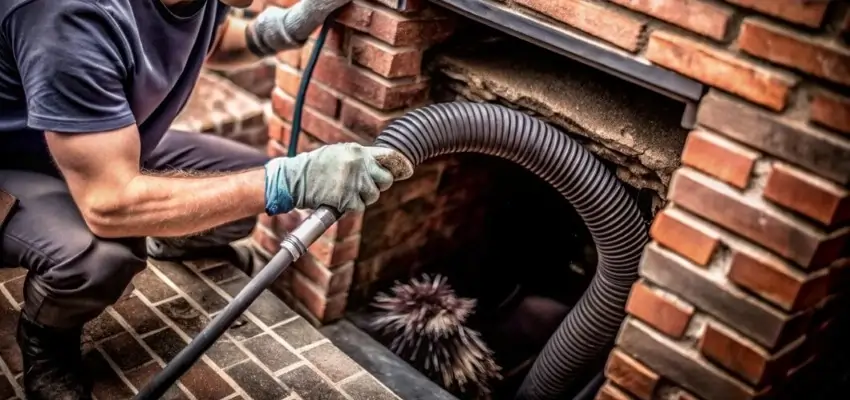
Less smoky smell, steadier flames: Chimney Cleaning around Chilliwack

Chimney Sweep visits that leave Chilliwack living rooms clean
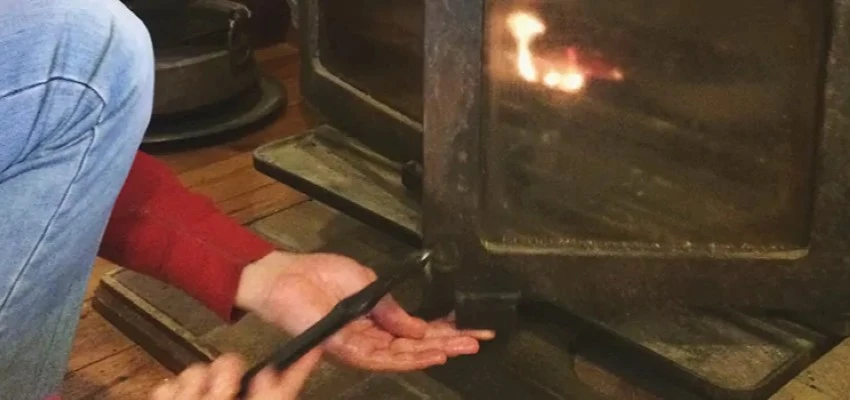
Swept and checked: Chimney Sweep Services in Chilliwack
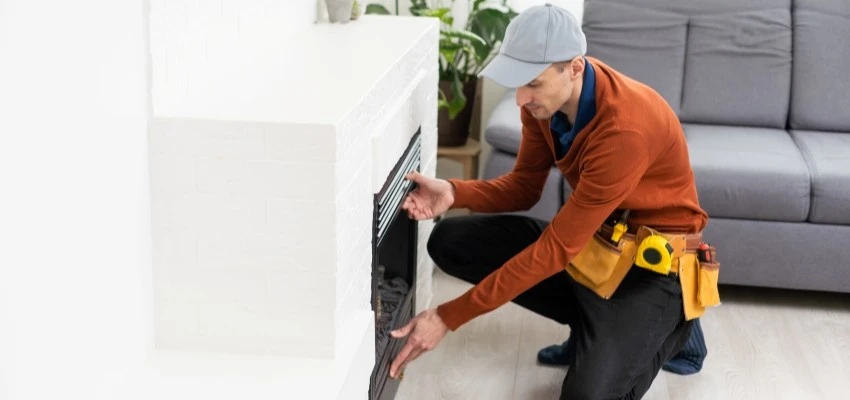
What Fireplace Experts check in your Chilliwack chimney
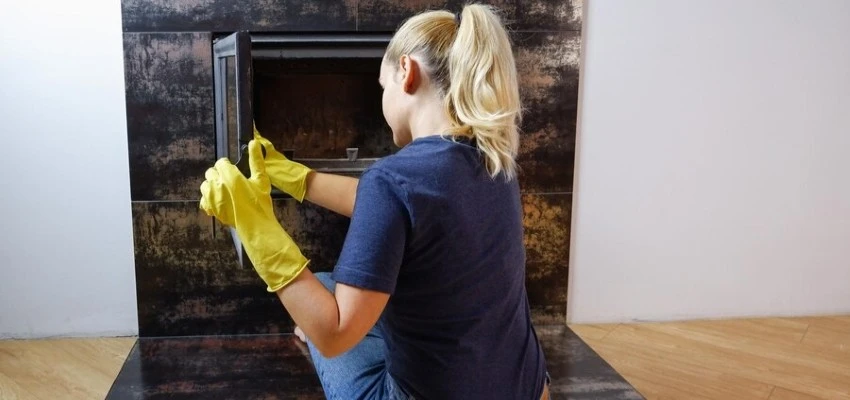
Hazy glass and dusty logs? Gas Fireplace Cleaning in Chilliwack
Catch a weak thermocouple early with Gas Fireplace Maintenance