Knowing a little about how your fireplace works makes every conversation with a technician easier. Why does creosote form? Which parts wear out? What is worth fixing now? Those threads run through this page, written for homeowners in Chilliwack who searched for “fireplace rebuild near me” and prefer to understand fireplace rebuilding before deciding anything. Read it as a reference, whether or not you end up booking a visit.
Repairing is usually worth it, because the costly parts of a wood-burning setup, such as the chimney and the masonry around a fireplace, are built to last a very long time. Worn mortar, a rusted damper, cracked firebrick and tired door gaskets are all fixable. Replacement starts to make sense when the main body is failing: a stove with a cracked or badly warped body, a factory-built fireplace whose metal box has rusted through, or masonry so damaged that rebuilding approaches the cost of starting over. A technician can lay out both paths with their pros and cons so you can compare them calmly.
The signs that matter most are small physical changes: a brick that wobbles, crumbs of mortar on the hearth, a damper that needs a shove or a stain where none used to be. When homeowners call about one of those, we usually find it connects to something larger, such as rain entering through a cracked crown or heat slowly eating at the joints of the back wall. Gaps in the firebox matter most, since they can let heat reach the framing behind the masonry. Catching these early keeps the fix to a patch rather than a rebuild.
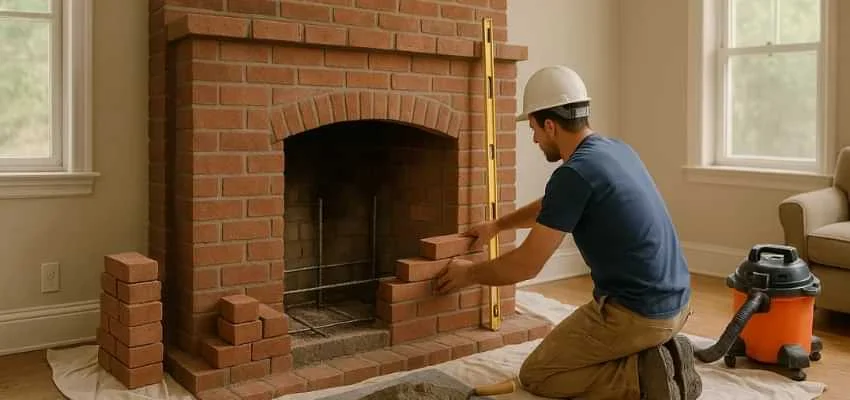
A rebuild makes sense when patching would only buy a little time, and the telltale picture is easy to recognize: open joints across the back wall, bricks that shift when pressed and old repair mortar flaking away in layers. The work starts with careful demolition, taking out the damaged firebrick while protecting the damper and smoke chamber above. We check the masonry behind for heat damage, then set new firebrick with thin joints of refractory mortar, keeping the original shape so the fire draws as before. Factory-built fireplaces are different: they use refractory panels, replaced with parts made for that unit.
Mortar and masonry need suitable conditions to set properly, and roof work needs safe footing. Indoor firebox work is less affected, but materials still cure more slowly in a cold house, and the first fire must wait until they have. Crown and chimney-top repairs need dry weather without freezing temperatures for the mix to cure, and wind or ice can stop roof work altogether. Local companies that handle “fireplace rebuild near me” requests plan around the seasons in Chilliwack, often booking exterior work for milder months and interior rebuilds whenever it suits you.
Most fireplace repairs take from a few hours to a full day of work, while bigger jobs such as a firebox rebuild or major chimney work can stretch over several days. The schedule also depends on dry weather for anything done on the roof, on how quickly specific parts or matching materials can be found, and on cure time for mortar. Masonry repairs usually need a waiting period before the first fire, so the fireplace may be out of use a little longer than the work itself. Booking repairs outside the burning season keeps that downtime out of the way.
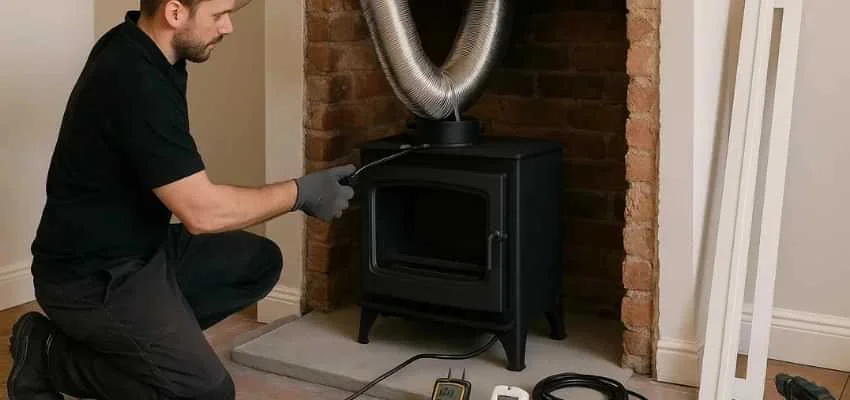
It depends on the chimney, and the decision is made on the day. Plenty of flues are swept from the firebox upward with rods, which keeps us off delicate roofing. We still like to see the top, because the cap, the crown and the last few feet of flue are where weather and animals cause trouble. On steep or slippery roofs, we may set a ladder at the eave and use a camera instead of walking the surface. Rain, ice and strong wind mean the roof portion waits for a better day. Either way, you should hear what the top looks like, not just the bottom.
A company should see the fireplace in person, inside and out, before giving a firm price for a rebuild. That means looking at the firebox, damper and smoke chamber, checking the flue, ideally with a camera, and examining the chimney top and the hearth. Measurements of the opening and an idea of the existing materials help with planning. A phone estimate can give you a rough sense of scope, but hidden damage often changes the job. Have recent photos and any old repair records ready for the visit, since they speed up the assessment.
Ask about scope, evidence and pricing, since those answers reveal most of what you need to know:
It is also fair to ask whether they work on your type of appliance. Specific, confident answers are reassuring; vague ones are a cue to compare another company.
Choose a company that explains its work clearly, inspects before recommending repairs and puts its quote in writing. A good company asks about your fireplace or stove before the visit, protects your floors during the work, shows you photos of what it finds and separates urgent problems from optional ones. Recent reviews that mention tidiness, punctuality and straight advice are worth reading. Experience with your type of appliance, whether masonry, factory-built or a stove, matters as well. Treat pressure to decide on the spot, or alarming claims with no photos behind them, as a reason to call someone else.
We protect the work area, clean up before we leave and tell you what we found in words that make sense. You end the visit knowing the state of your fireplace. Book fireplace rebuilding with Chimney Sweep Chilliwack when it suits you.
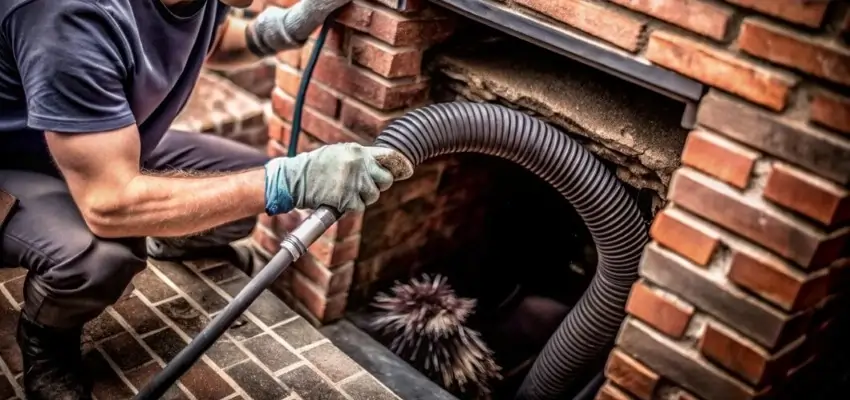
Less smoky smell, steadier flames: Chimney Cleaning around Chilliwack

Chimney Sweep visits that leave Chilliwack living rooms clean
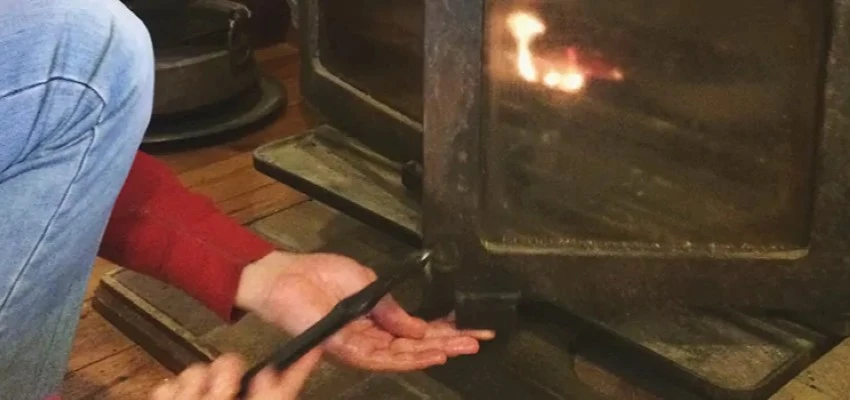
Swept and checked: Chimney Sweep Services in Chilliwack
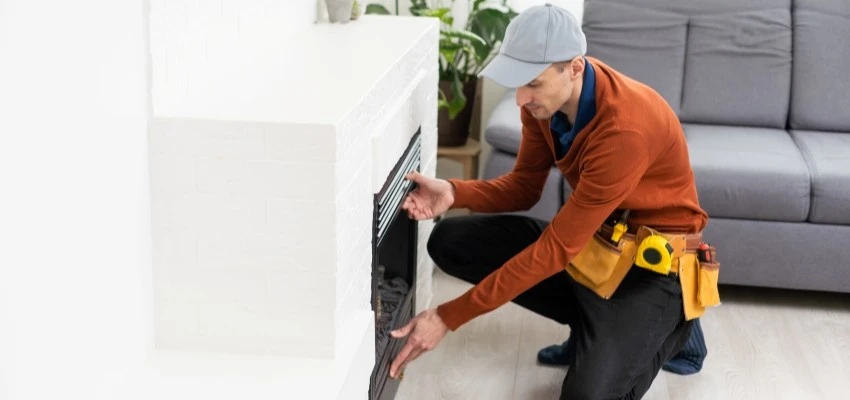
What Fireplace Experts check in your Chilliwack chimney
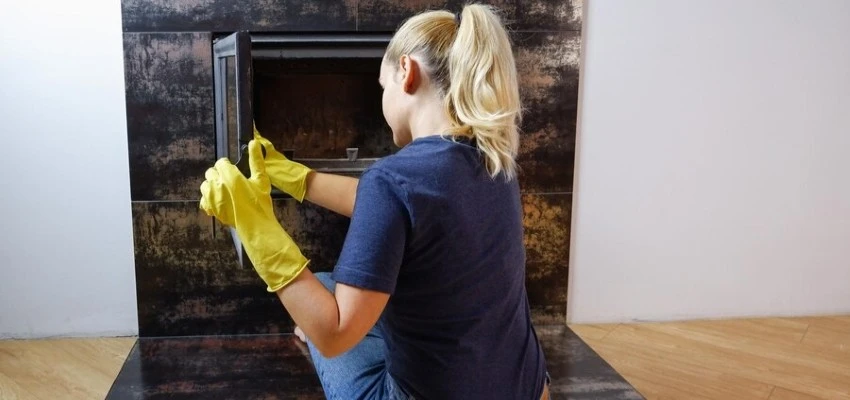
Hazy glass and dusty logs? Gas Fireplace Cleaning in Chilliwack
Catch a weak thermocouple early with Gas Fireplace Maintenance