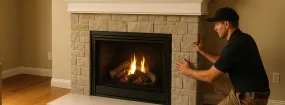
Before anyone picks up a hammer or a trowel, a fireplace project needs a plan, and that plan starts with understanding the fireplace you already have. People in Chilliwack who look up “fireplace restoration” will find that groundwork laid out below: clear answers about hearth and firebox restoration, the checks that should come first and the questions worth putting to any contractor you are considering. Read what applies to your home and skip the rest.
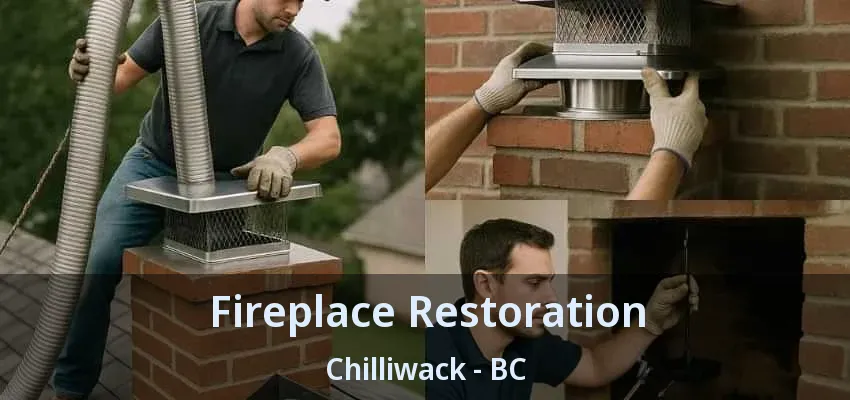
Restoration is usually the stronger choice when the structure is sound and the fireplace has character worth keeping, such as original brick, tile, cast iron or carved woodwork. Restoring means repairing the firebox, damper and smoke chamber, then cleaning, repairing or refinishing the visible parts. Replacement makes more sense when the firebox is failing badly, the fireplace was poorly built for safe use or you want a completely different style or fuel. An inspection shows which path fits, and many homeowners end up with a mix: restored structure and refreshed surfaces.
Look for materials that do not belong. Gray hardware-store mortar between firebricks, caulk or silicone in joints, ordinary red brick patched into the firebox and paint covering cracks inside the opening are all signs of a repair that will not last. Outside the firebox, mismatched mortar color, smeared joints and a mantel fastened too close to the opening are common. Poor repairs often fail again quickly and can hide damage. If you are researching “fireplace restoration” in a home with a history of patch jobs, ask for an inspection that notes earlier repairs as well as new damage.
Heat cycling does most of the damage, with help from moisture and knocks. Every fire expands the face of the brick faster than its back, and over many seasons that stress opens cracks. Water from a missing cap or a damaged crown soaks into the brick and freezes or turns to steam, which flakes the surface away. Grates jammed against the back wall and heavy logs tossed in chip the edges. When we inspect, we tap and probe: a cracked brick that is still tight gets noted, while one that moves, or a joint we can rake out with a finger, gets repaired.
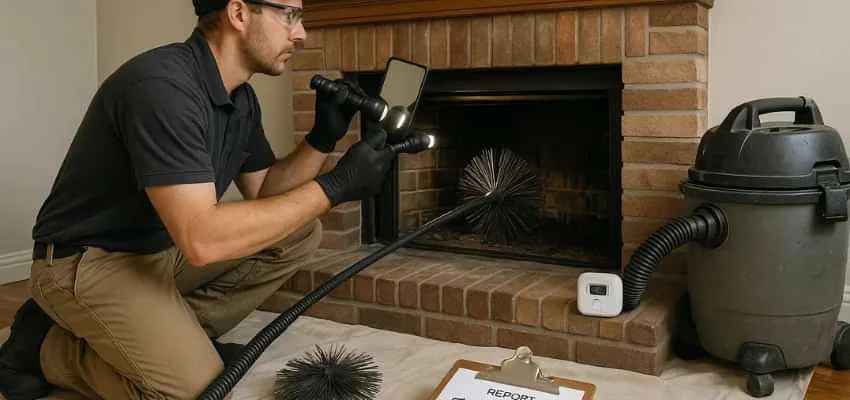
Our restorations follow the fire’s path, starting where the heat is and ending where people look. First the firebox: loose or eroded bricks come out, joints are repointed with refractory mortar and any shifted sections are rebuilt. Then the throat and damper, then the smoke chamber above. Only after the working parts are sound do we turn to the face, lifting soot from brick with care, replacing cracked tiles with close matches and treating rust on cast iron. We photograph each stage, so you can see the hidden work as well as the visible result.
Often it can, because cast iron rusts on the surface long before it fails. Period fronts, decorative inserts and summer covers are usually taken apart, stripped of old paint and rust, and finished with a graphite polish or a heat-tolerant coating that suits the original look. Hairline cracks in a front that sits away from direct flame can sometimes be repaired by a specialist, while a section that has split through, or a missing piece, may be replaced with a casting made to match. The firebox and damper behind the front still need checking, since a handsome front does not make an unsafe opening usable. Ask about both when planning hearth and firebox restoration.
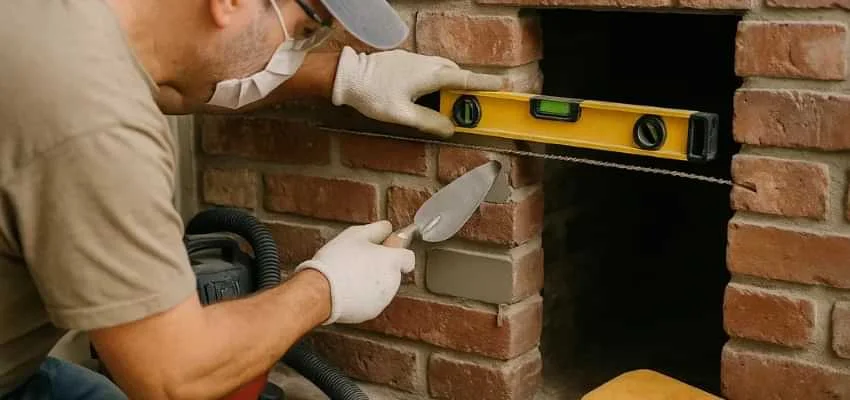
We repair a firebox brick by brick before considering a rebuild. Joints are raked back to sound material and refilled with refractory mortar, pressed in tight so no voids remain. Damaged firebricks are chiseled out without disturbing their neighbors, and new ones are set to match the pattern. Surface flaking on an otherwise sound brick can sometimes be left alone. If a whole panel has shifted or the back wall leans toward the fire, we rebuild that section, which is still far less work than a new firebox. Patching compound smeared over cracks is not a lasting repair, so we avoid it.
Small repairs, such as replacing a few firebricks or fixing a damper, often take a single visit, while refacing, mantel work or a conversion can take several working days spread over a week or two. Masonry and mortar need time to cure before the fireplace is used, and some finishes must set before the next layer goes on. Ordering stone, tile, a mantel or a gas insert can add weeks before work starts. Ask for a schedule that shows working days, waiting time for curing or materials and the earliest date you can light a fire again.
Rust on fireplace metal comes from moisture, so the main defense is keeping water out. A chimney cap stops rain from falling straight onto the damper and firebox, and a closed damper limits humid air in summer, unless gas logs require it open. Remove ashes after the season, since damp ash holds moisture against metal. Light surface rust on doors, frames or grates can be cleaned and touched up with high-temperature paint made for fireplaces. Heavy rust, flaking or holes in a damper or metal firebox need professional attention. Checking metal parts once a year catches problems early.
Choose a contractor who inspects before quoting, explains the plan in plain language and shows photos of similar finished work. Fireplace projects mix trades, so ask who does the masonry, who handles any gas work and whether a qualified gas technician is involved for conversions. A written quote should list materials, curing or waiting time and how surprises are handled. Read recent reviews for comments on tidiness, communication and whether jobs finished on schedule. Be wary of anyone who wants to cover a damaged firebox or smoke chamber with a new finish without fixing it.
Whether you want to book now or just gather information first, we are glad to help. Ask your questions about hearth and firebox restoration, your fireplace or the timing that suits you. Contact Chimney Sweep Chilliwack for homes across Chilliwack.
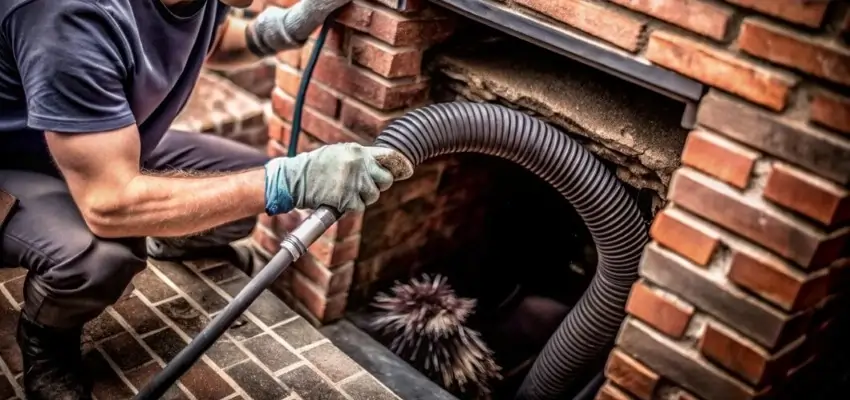
Less smoky smell, steadier flames: Chimney Cleaning around Chilliwack

Chimney Sweep visits that leave Chilliwack living rooms clean
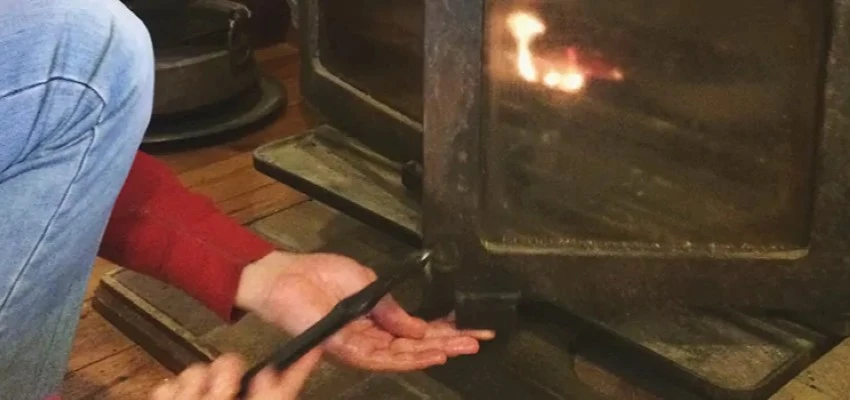
Swept and checked: Chimney Sweep Services in Chilliwack
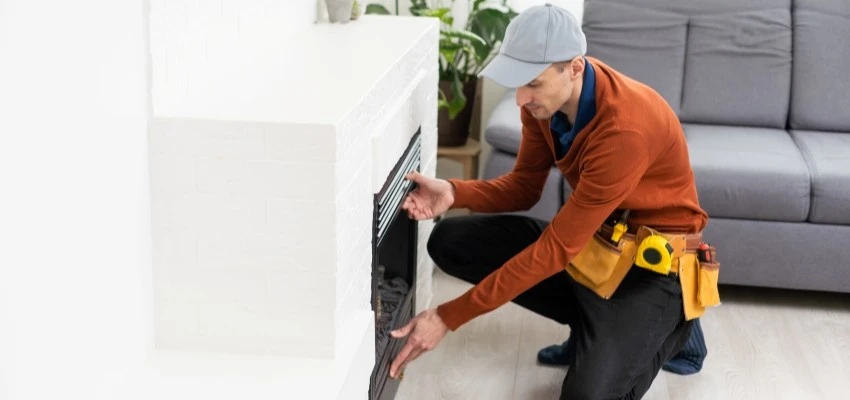
What Fireplace Experts check in your Chilliwack chimney
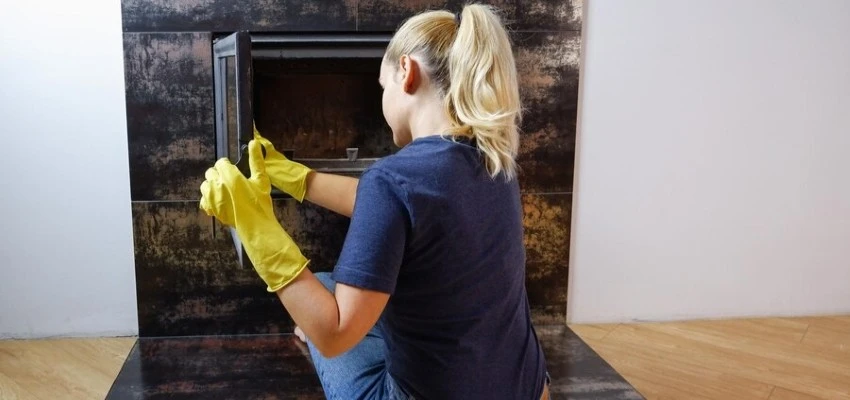
Hazy glass and dusty logs? Gas Fireplace Cleaning in Chilliwack
Catch a weak thermocouple early with Gas Fireplace Maintenance