Short on time? The essentials of fireplace odor removal fit on a single page, and this is it. Each answer opens with the direct reply and then adds the practical detail homeowners in Chilliwack tend to need: what causes a problem, what a visit fixes and what you can do between visits. If “fireplace smell removal” is what you typed, start with the questions closest to your situation and skip the rest.
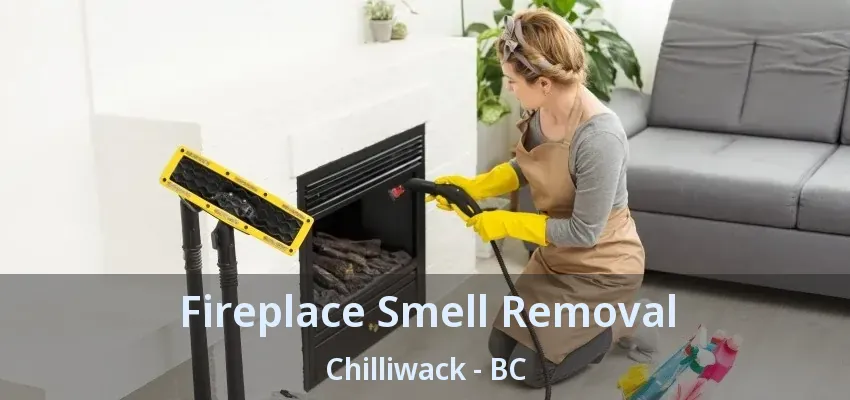
The chimney is the main part of any cleaning we do, and the firebox is only the starting point. Soot settles on every surface the smoke touches, from the damper or stove outlet all the way up to the cap, and the heaviest deposits usually sit just above the fire, where the gases first cool. We brush that entire path, pull the debris down into a contained vacuum, then clear the firebox and the hearth. When a company only scoops ashes and wipes the doors, the part that matters for safety has been skipped, and the next fire runs through the same dirty flue.
Creosote is unburned fuel: tiny droplets of tar and gas that leave the fire, cool on the way up and stick to the flue walls. We grade it by texture on every job. A light, powdery coat brushes away easily. A thicker, flaky or bubbly layer takes more effort and tells us fires are running cool or the wood is wet. A glossy, glazed coating is the one that concerns us, because it is stubborn to remove and burns intensely if it catches. Where we find heavy deposits, we talk through wood and burning habits, since changing those is what slows the next round of buildup.
A fireplace or stove needs cleaning when the flue turns matte black and furry with deposits, or when fires start losing their pull. We judge it by thickness and texture, but homeowners can spot the effects from the hearth. Fires get lazy, drafts weaken and the room picks up a stale smell between uses. In stoves, the glass blackens faster and the baffle collects a crust. Heavy users often reach that point before the season ends, while occasional users may go a full year or more. When in doubt, a quick inspection settles it without guesswork.
They can mask it briefly, but they do not touch the source. Fireplace odors come from deposits, moisture or debris in the chimney, and air moving down the flue keeps carrying them into the room. Scented products simply add another smell on top, and candles placed in or near the fireplace bring their own fire risk. A lasting fix means cleaning out the deposits, stopping water from getting in and reducing the downdraft with a sealing damper or cap. Once that is done, the room usually smells like the rest of the house again.
We take care of the smell by removing its source first and then cutting off its path indoors. Cleaning removes most of the odor-producing deposits, including the sticky layer that builds up on the smoke shelf or behind a stove baffle. Then we look at why air is flowing down the chimney: a damper that does not seal, a missing cap letting rain soak the soot, or a house pulling air through exhaust fans. Fixes range from a new damper gasket to a top-sealing damper or a cap. Odor that survives all that sometimes comes from deposits soaked into the masonry, which may call for a deodorizing product applied by the technician.
Very little soot should reach the room when the job is set up correctly. Soot is very fine and rides the slightest air current, so our setup is built around containment. Covers go down first, the opening is sealed, and a vacuum with fine filtration runs throughout, pulling air toward the equipment. Brushing loosens the deposits, which fall into the firebox to be collected rather than scattered. The messiest moments are usually dismantling a stovepipe or reaching past a stubborn damper, and we slow down there. Before packing up, we vacuum the hearth and check the floor around it.
One to two hours covers most cleaning and inspection visits we make, with the chimney deciding which end of that range applies. Setup and floor protection take a few minutes, brushing takes the bulk of the time, and clean-up plus a walkthrough close things out. Tall chimneys, steep roofs and several flues stretch the visit, as do thick layers that need extra passes or special tools. Repairs are their own matter: a damper handle may be fixed on the spot, while firebrick or crown work gets a separate appointment. Since time shapes the price, an accurate description up front helps everyone.
Keep the deposits low, keep water out and keep the damper closed when the fireplace is not in use. Burning dry wood and having the flue swept on schedule limits the creosote that causes most odors. A chimney cap and a sound crown keep rain from soaking into the soot. Glass doors and a tight-sealing damper reduce the air that drifts down the chimney, especially when kitchen or bathroom fans run. If the smell returns every summer despite these steps, ask about a top-mounted damper as part of your fireplace smell removal plan.
Ashes are cleaned out safely by waiting until they are cold, scooping them into a lidded metal bucket and taking that bucket straight outside. Cold ash only, every time; any warmth deep in the pile means it waits. Once outside, the bucket belongs on bare ground or concrete, where a surviving ember can do no harm. We have seen ash buckets left on wooden decks and in garages, which is exactly where they should not be. Daily stove users may empty the pan every day or two, and ash vacuums made for the job are an option once everything is fully cold.
From townhouses to detached homes, we see a wide range of setups around Chilliwack and plan each visit around the home in front of us. If it is time to have your fireplace looked at, get in touch with Chimney Sweep Chilliwack and we will arrange a time that suits you.
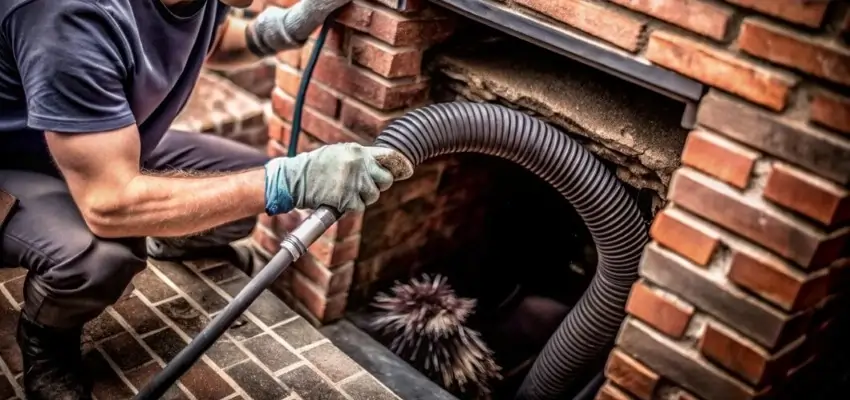
Less smoky smell, steadier flames: Chimney Cleaning around Chilliwack
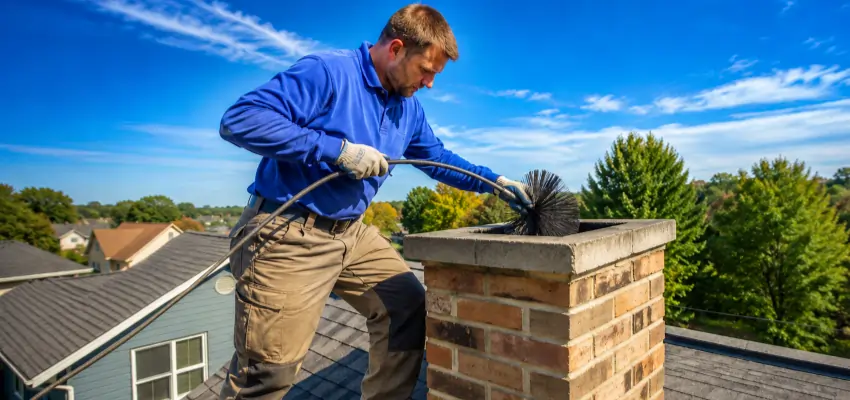
Chimney Sweep visits that leave Chilliwack living rooms clean
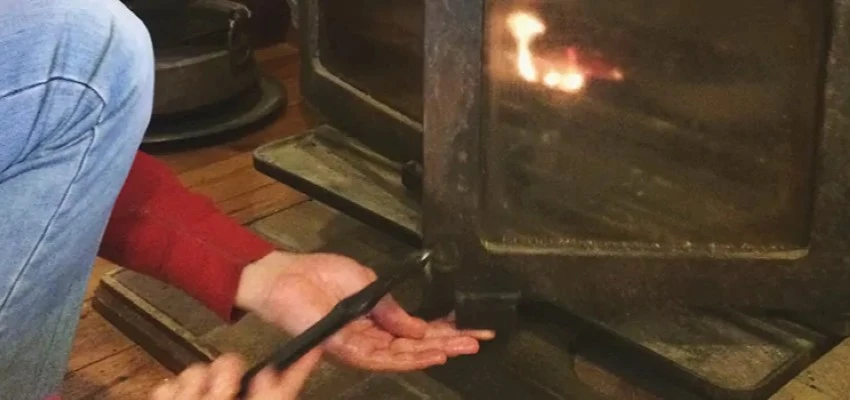
Swept and checked: Chimney Sweep Services in Chilliwack
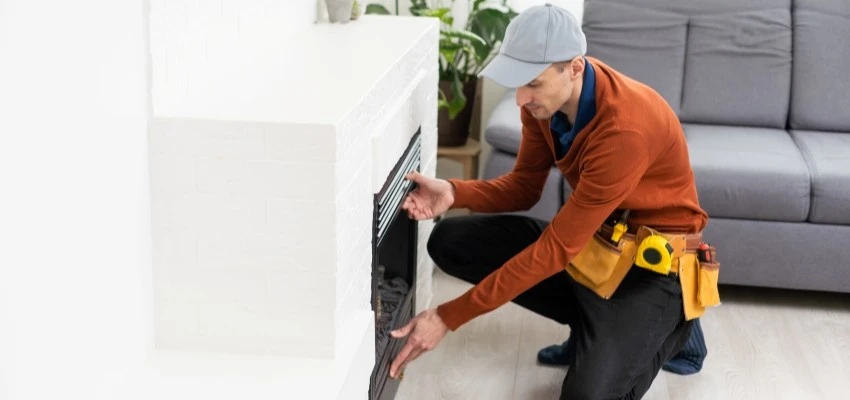
What Fireplace Experts check in your Chilliwack chimney
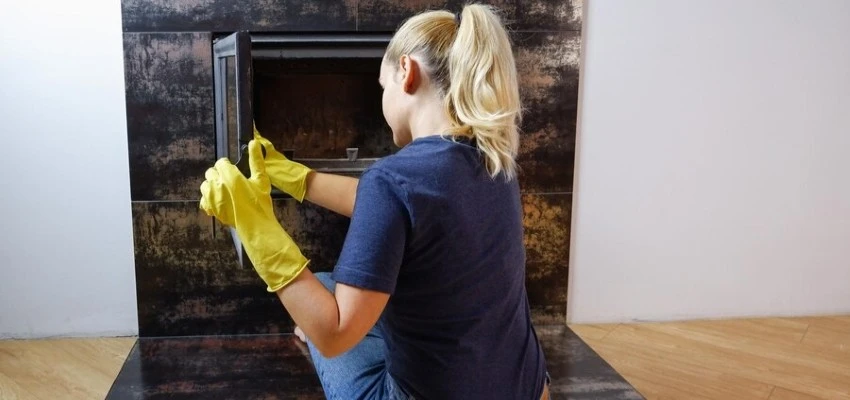
Hazy glass and dusty logs? Gas Fireplace Cleaning in Chilliwack
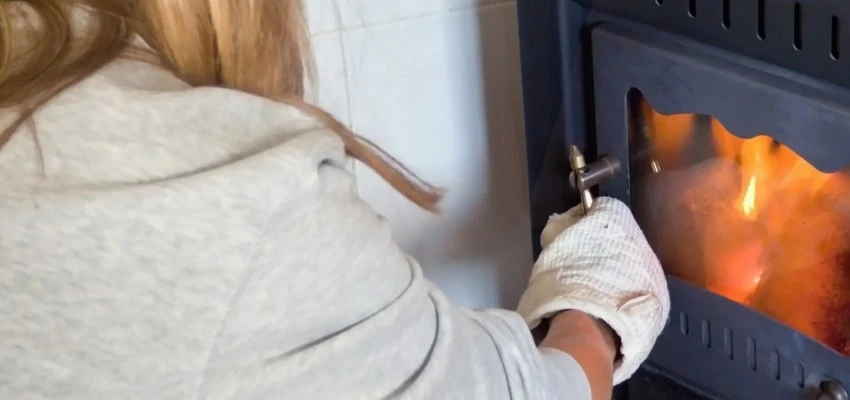
Catch a weak thermocouple early with Gas Fireplace Maintenance