Knowing a little about how your fireplace works makes every conversation with a technician easier. Why does creosote form? Which parts wear out? What is worth fixing now? Those threads run through this page, written for homeowners in Chilliwack who searched for “fireplace vent cleaning” and prefer to understand fireplace flue cleaning before deciding anything. Read it as a reference, whether or not you end up booking a visit.
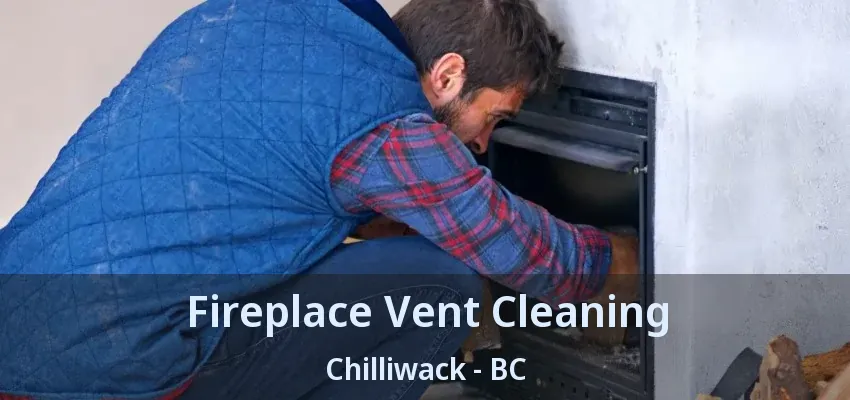
A sweep removes soot and creosote, while an inspection checks the condition of the fireplace or stove and the chimney it vents into. Cleaning tells you how much buildup there was; an inspection tells you whether everything is sound and set up correctly. Many homeowners book both together, because a clean flue is easier to examine and the technician can spot cracks, gaps or worn parts that the deposits were hiding. If you can only schedule one, start with an inspection, since it shows whether a sweep or a repair is needed at all.
A proper cleaning includes the chimney, because that is where most of the soot and creosote collects. The firebox or stove interior is cleared of ash and loose debris, but the main work happens in the flue above it, along with the smoke chamber of a fireplace or the pipe that connects a stove. Some quick-clean offers stop at the visible parts, so ask what is included before booking. A complete job also looks at the cap at the top, works the damper and finishes with a vacuumed hearth, so the whole path the smoke travels has been covered.
On a wood-burning fireplace, the vent is the flue: the passage inside the chimney that carries smoke and gases outdoors. In a masonry chimney it is usually lined with clay tiles or a metal liner; in a factory-built fireplace it is an insulated metal pipe designed for that unit. Some fireplaces also have a small outside air vent that feeds the fire. When people search for “fireplace vent cleaning”, they generally mean cleaning the flue, though the outside air vent and the chimney cap screen can collect debris too and are worth checking.
A chimney fire often announces itself with a loud roaring or rumbling sound, popping and cracking noises, thick smoke and a strong, hot smell, sometimes with flames or sparks shooting from the top. If you notice these, get everyone out of the house and call the fire department from outside. Not every chimney fire is dramatic, though. Slow-burning ones can go unnoticed and leave quieter clues: flaky, puffed-up creosote, a warped damper or cap, cracked flue tiles and debris on the roof or ground. After any suspected chimney fire, have the system inspected before it is used again.
Yes. Metal flues in factory-built fireplaces are usually cleaned with stiff poly brushes that match the pipe diameter, since wire brushes can scratch the inner surface and loosen joints. Care is taken not to dislodge sections or damage the cap assembly. Masonry flues lined with clay tile are often cleaned with steel brushes sized to the tile, and the smoke shelf and smoke chamber get hand cleaning. In both cases, the technician should check joints, seams and the top termination while working. Knowing your flue type helps the company bring the right tools.
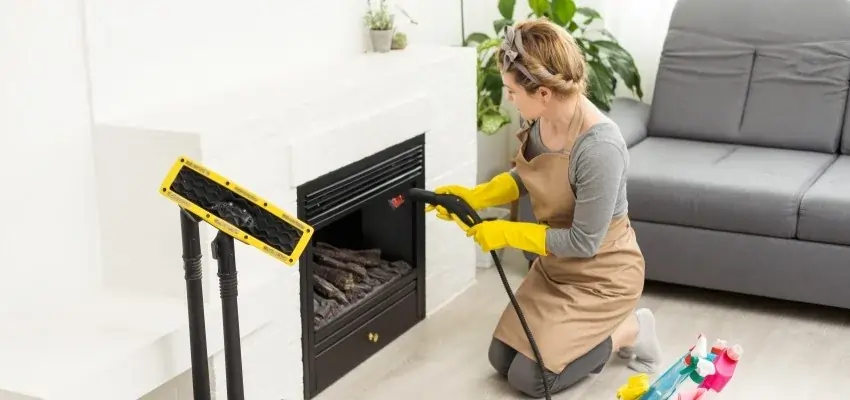
We take care of the smell by removing its source first and then cutting off its path indoors. Cleaning removes most of the odor-producing deposits, including the sticky layer that builds up on the smoke shelf or behind a stove baffle. Then we look at why air is flowing down the chimney: a damper that does not seal, a missing cap letting rain soak the soot, or a house pulling air through exhaust fans. Fixes range from a new damper gasket to a top-sealing damper or a cap. Odor that survives all that sometimes comes from deposits soaked into the masonry, which may call for a deodorizing product applied by the technician.
A careful sweep should leave little or no mess, because the soot is contained and vacuumed as the work happens. Expect drop cloths around the hearth, the fireplace opening or stove door sealed off and a vacuum running for much of the visit. A little fine dust can still escape when the damper is opened or stovepipe comes apart, so clear the mantel and move rugs and furniture back a few feet. If you have light carpet or upholstery nearby, mention it when booking. A good crew leaves the hearth cleaner than they found it.
A common guideline is to have the chimney inspected once a year and swept whenever buildup calls for it, which for many households also works out to about once a year. Homes that burn a fire most evenings through the colder months may need a sweep more often, sometimes partway through the season, while a fireplace used a few times a year may go longer between cleanings. Wood stoves used as a main heat source tend to build up creosote faster. Damp wood, smoldering fires and cold outside chimneys all shorten the interval, so let the yearly check guide the schedule.
Dry, seasoned wood that has been split and stored for six months to a year or longer burns cleanest, because it lights easily and produces less smoke and creosote. Wet wood wastes heat boiling off water, smolders and coats the flue faster. Well-seasoned pieces are lighter, show cracks across the ends and sound hollow when knocked together, and an inexpensive moisture meter takes out the guesswork. Splitting and stacking wood in spring, off the ground and covered on top, usually has it ready for the colder months. Never burn painted or pressure-treated lumber, trash or cardboard boxes.

Simple routines at home go a long way, and a periodic visit catches what you cannot see. Together they keep your fireplace in steady shape year after year. Call (778) 608-3976 to plan the next check with Chimney Sweep Chilliwack.
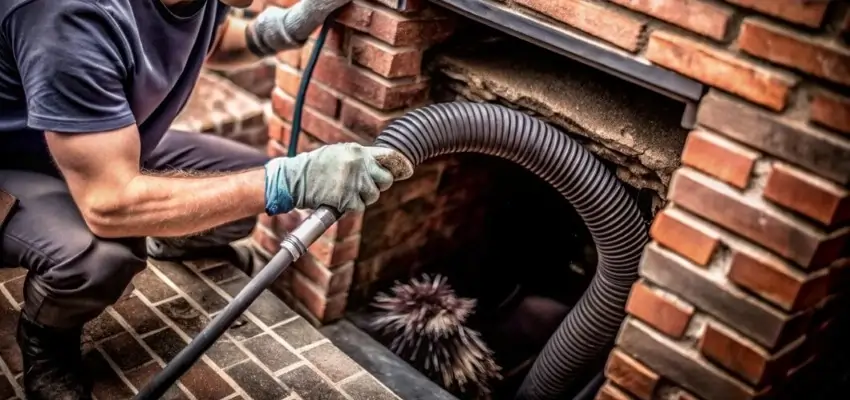
Less smoky smell, steadier flames: Chimney Cleaning around Chilliwack
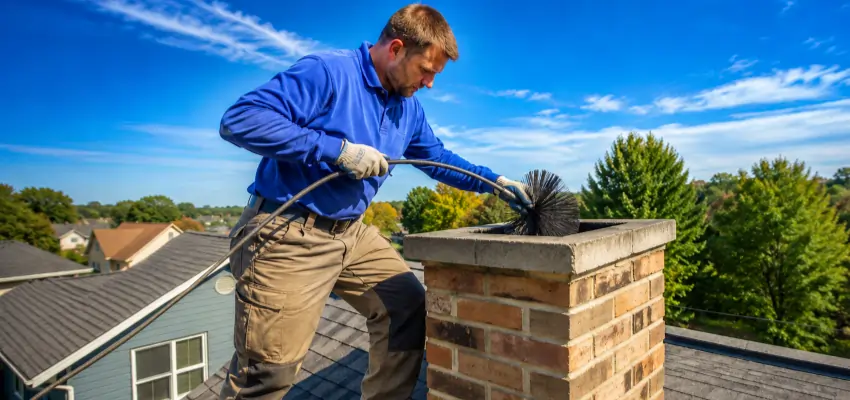
Chimney Sweep visits that leave Chilliwack living rooms clean
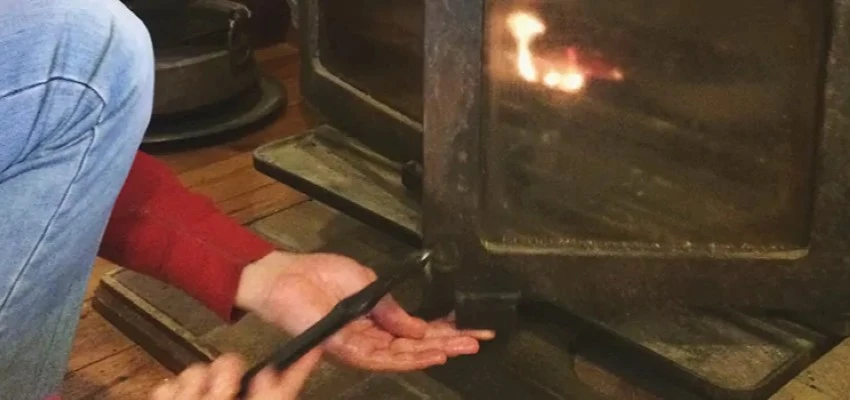
Swept and checked: Chimney Sweep Services in Chilliwack
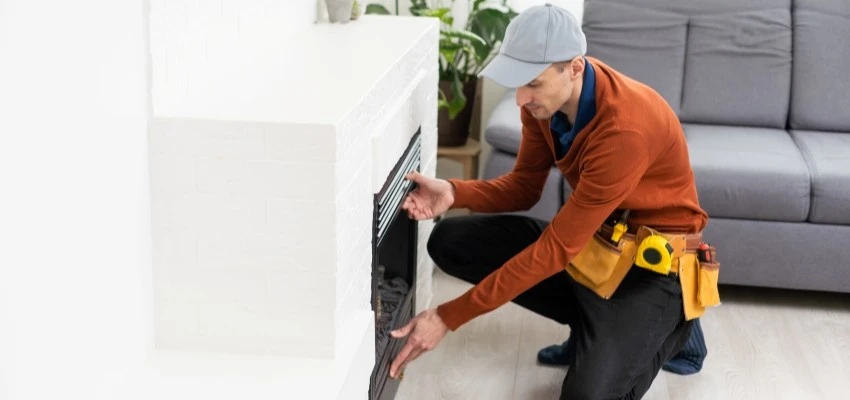
What Fireplace Experts check in your Chilliwack chimney
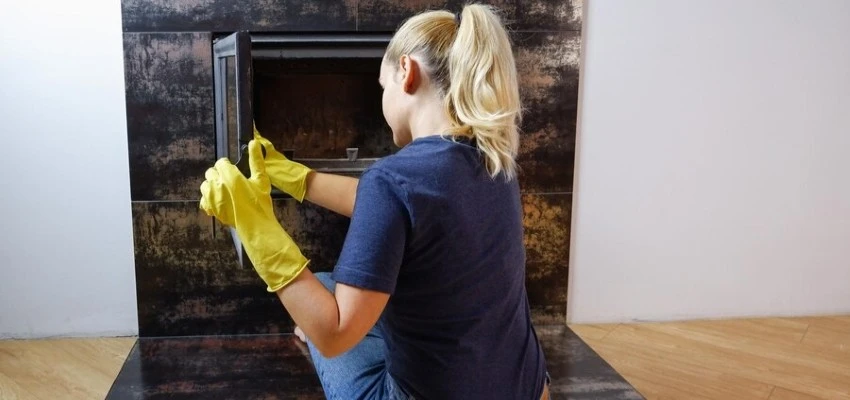
Hazy glass and dusty logs? Gas Fireplace Cleaning in Chilliwack
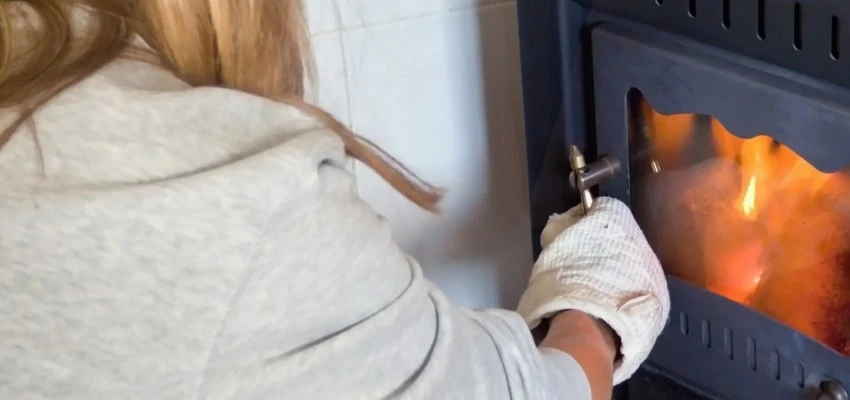
Catch a weak thermocouple early with Gas Fireplace Maintenance