Nobody needs to panic about a chimney, and nobody should ignore one either. The sensible middle ground is knowing what to watch for and when to bring in help. If “fix blocked chimney” is what you typed, this page lays out that middle ground for people in Chilliwack: what blocked chimney clearing involves, what a technician looks at and what you can keep an eye on between visits, all in plain terms and with the reasoning behind each answer.
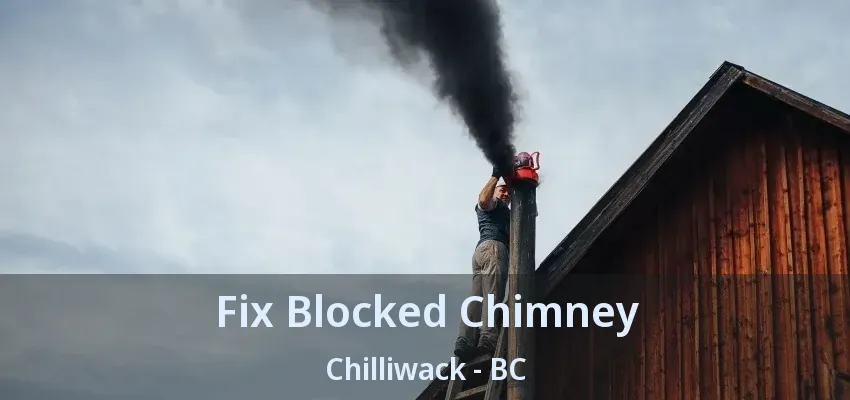
Creosote is the residue that forms when wood smoke cools on its way up the chimney and its tars, gases and moisture condense on the flue walls, and it is dangerous because it burns easily and very hot. A thick layer can catch from a stray spark or an unusually hot fire, and the resulting chimney fire can crack liners and push heat toward nearby framing. Creosote builds faster with damp wood, smoldering fires and chimneys on cold outside walls. It may look like black flakes, a sticky tar or a hard, shiny glaze. If you see any of these on the damper or around the firebox, book a sweep.
Gas leaves far less buildup than wood, so a chimney serving only gas needs much less cleaning, but it still needs a regular check. Creosote is rarely the issue. The risks are different: nests, leaves and fallen debris can block the opening, and the water vapor in gas exhaust can wear down masonry and old liners over time. A blocked or damaged flue can push carbon monoxide back indoors, so keep working CO alarms on every level. Leave burners, valves and pilots to a qualified gas technician, and if you ever smell gas, leave the building and call your gas utility from outside.
A chimney that blocks again and again usually has an underlying cause that was never fixed. The most common is a missing or poorly fitted cap, which lets leaves, nests and animals in repeatedly. Overhanging branches feed debris into the opening. A deteriorating liner sheds tile pieces or mortar into the flue, and heavy creosote can flake off in sheets if burning habits stay the same. Clearing it each time deals only with the symptom. If you searched for “fix blocked chimney” hoping to solve it for good, ask the technician what caused this blockage and what would stop the next one.
Smoke comes back into the room when the chimney cannot pull it upward fast enough, and the usual causes are a cold flue, a partly closed damper or a house that is short of air. Make sure the damper is fully open and start with a small, hot kindling fire so the flue warms gradually. Kitchen and bathroom fans can draw air down the chimney, so switch them off and open a nearby window slightly. Wet wood produces heavy smoke too. If smoke still spills in after those changes, a blockage or a problem with the chimney itself needs a professional look.
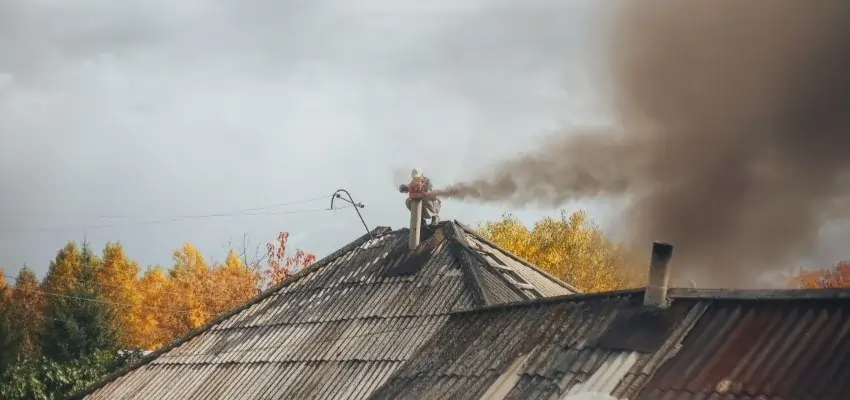
Blockages come from animals, plants, creosote or the chimney itself crumbling, and from inside the room they nearly all look alike: weak draft and smoke where it should not be. Birds and squirrels pack in sticks and grass, and autumn winds drop leaves into uncapped flues. Glazed creosote can let go in sheets and jam at a bend or on the smoke shelf. In older masonry, tiles crack and slide, and loose mortar collects at the base. A stove may puff smoke each time its door opens. Working out which cause you have is the first job, because it decides how the flue is cleared and what repair follows.

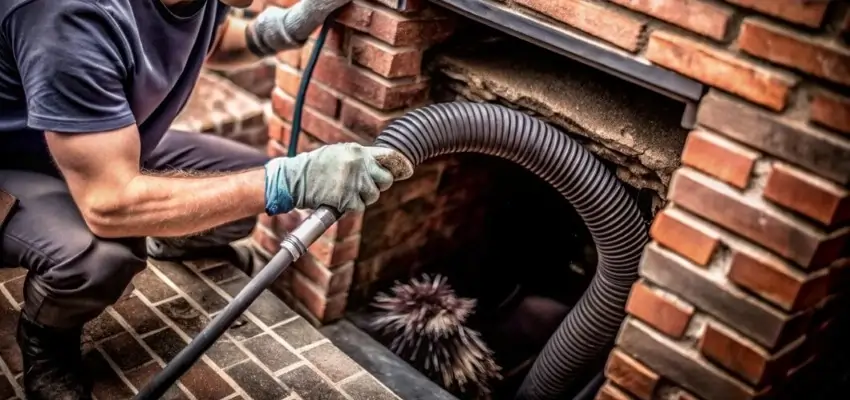
We clear a blockage by identifying the material and its position first, then removing it in a way that protects the liner. A camera usually answers both questions. Soft nests and leaves can be pulled down with grabbing tools or brushed through, while a plug of creosote flakes might need a rotary head to break it into pieces our vacuum can handle. Broken tile and brick are trickier: forcing them down can scrape or crack the liner, so we often lift them out from above. After the flue is open, we run the camera again to check for damage and to see whether the blockage was a symptom of something bigger.
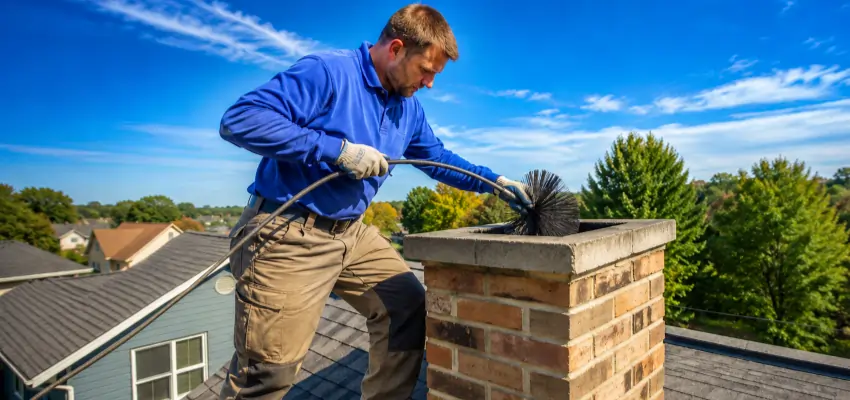
A common guideline is to have a chimney inspected once a year and swept whenever that inspection finds meaningful buildup, which for a fireplace or stove used regularly usually means about once a year. Heavy users, such as households heating mainly with wood, may need sweeping more than once per season. A fireplace lit only a few times each winter may go longer between sweeps, yet it still benefits from the yearly look, because nests, water damage and cracks have nothing to do with how often you burn. Many sweeps regard about an eighth of an inch of buildup as the point where cleaning is due.
We ask owners to leave the appliance off until we have cleared the flue, even when a fire seems to burn normally. A partial blockage is deceptive: on a mild day the draft may carry most of the smoke, then on a cold or windy night it fails and the room fills. We also see cap screens clogged solid with creosote, especially above wood stoves, which chokes the draft without any nest or debris inside. Nests above the damper can catch fire from below. While you wait, keep the damper shut so nothing falls into the room, and note any smells or sounds to tell us when we arrive.
Your part is mostly to stop using it and gather clues. Do not light the fireplace or stove; if a furnace or water heater vents into the same chimney, mention it right away when you call and keep your carbon monoxide alarms working, and leave gas valves, burners and appliance settings to a qualified gas technician. Keep the damper shut if you suspect an animal. From the hearth, a flashlight can show whether debris is sitting on the smoke shelf. From the ground, check whether the cap is missing or damaged. Resist pushing poles up the flue. People who search “fix blocked chimney” sometimes make things worse by forcing debris tighter.
That is a smart move. Ask each company what is included, how long the visit takes and what you will be shown afterward. We are happy to answer those questions in writing. Request a detailed quote from Chimney Sweep Chilliwack for your home in Chilliwack.
Less smoky smell, steadier flames: Chimney Cleaning around Chilliwack
Chimney Sweep visits that leave Chilliwack living rooms clean
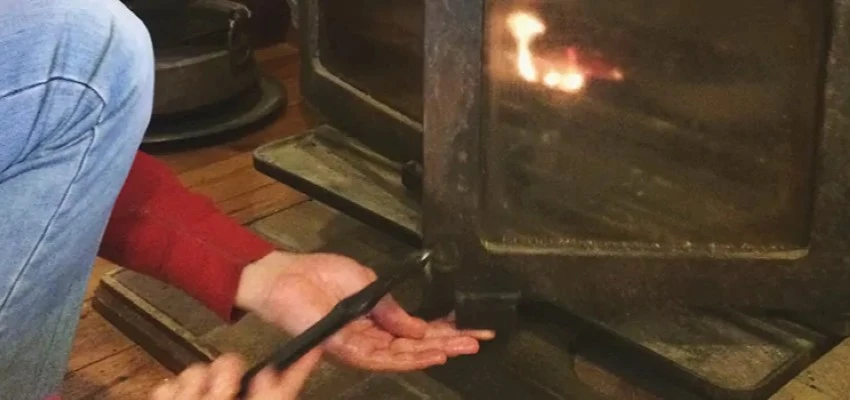
Swept and checked: Chimney Sweep Services in Chilliwack
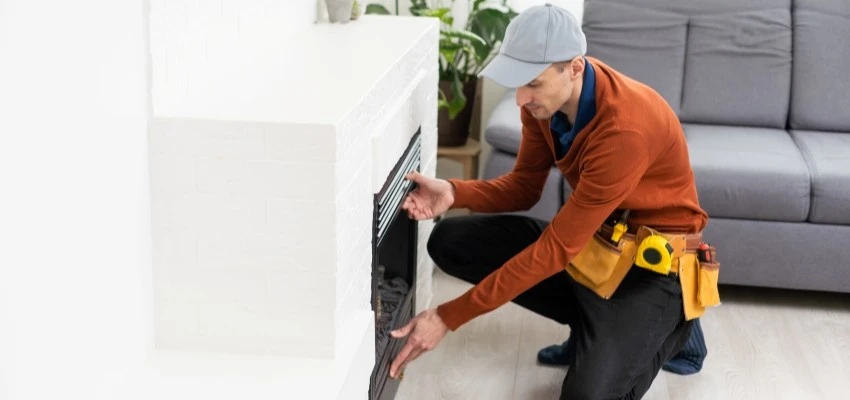
What Fireplace Experts check in your Chilliwack chimney
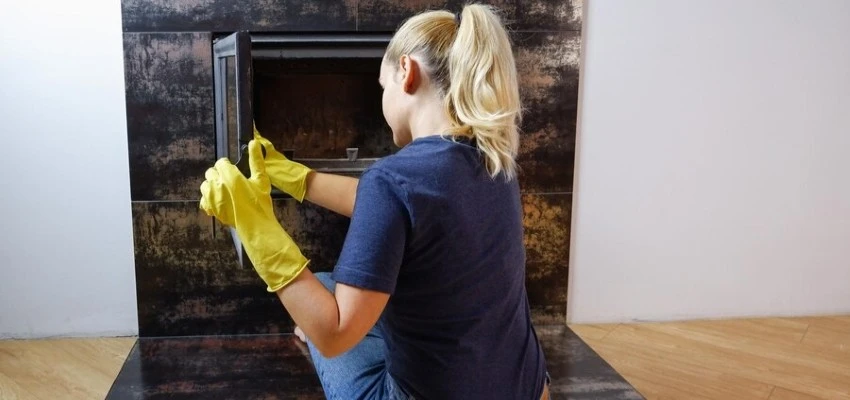
Hazy glass and dusty logs? Gas Fireplace Cleaning in Chilliwack
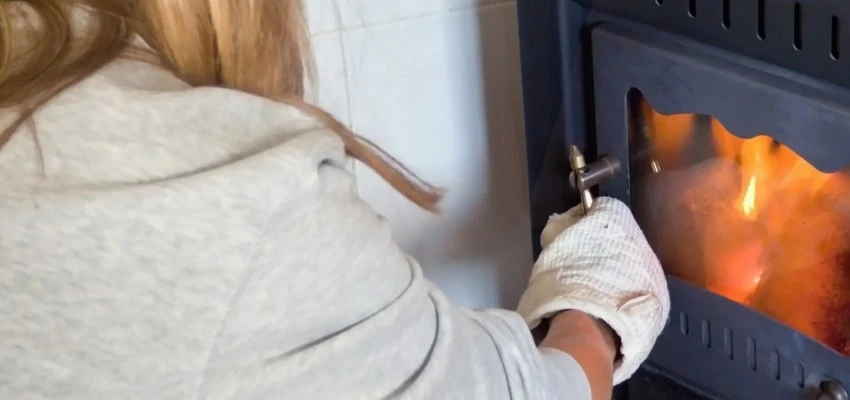
Catch a weak thermocouple early with Gas Fireplace Maintenance