Before you ask for a quote, it helps to know what a sensible plan looks like. Homeowners in Chilliwack who search for “flue tiles cracked repair” often get very different advice from different companies, and it is hard to tell which fits their house. The questions below cover flue tile repair in a practical, even-handed way, with notes on cost factors, timing and the points worth raising with any contractor.
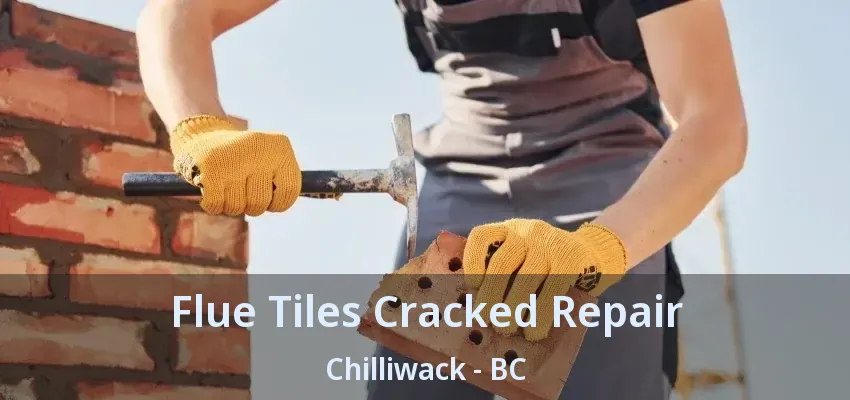
The flue is the working part of the chimney; everything else holds it up or keeps the weather off it. Each appliance generally needs its own flue, which is why bigger chimneys often have two or three tiles poking out of the top. Most flue problems we see fall into three groups: blockages from nests or debris, damage such as cracked tiles or gaps between them, and sizing problems after an appliance change. Each one affects draft and safety. If you are unsure how many flues your chimney has or what each one serves, a quick look from the roof answers it.
Heat shock, moisture and settling cause most cracked tiles, and the pattern on camera tells us which one was at work. Vertical splits running several tiles high usually point to a chimney fire, sometimes one the owners never noticed. Crumbling or flaking surfaces suggest moisture and acidic condensation, often from a gas appliance venting into an unlined or oversized flue. Offset tiles and open joints tend to come from settling or poor original mortar. Knowing the cause matters, because it decides whether patching a few tiles is enough or the flue needs a new liner, and what to change so the new work lasts.
It is not recommended. Cracked or gapped tiles can let heat reach the masonry and nearby wood framing, and they can let smoke and gases seep into the walls or other flues. A small crack may look harmless, but you cannot judge its depth or the condition of the tiles above it from the fireplace. Until the flue has been inspected and repaired, keep the fireplace or appliance on that flue out of use, and make sure carbon monoxide alarms are working. Homeowners researching “flue tiles cracked repair” usually find the inspection is quick and the options are clear once the footage is reviewed.
A careful crew protects your home by covering the hearth and nearby floor, sealing the fireplace opening when soot or dust could escape and using vacuums with fine filters for any debris. Outside, tarps go over shrubs, decks and roof sections where tools or materials sit, and ladders are padded where they touch gutters or siding. Some jobs create very little mess, while others, such as removing old flue tiles, produce more. Ask what protection is planned for your job, and move valuables and furniture away from the fireplace before the crew arrives.
By resurfacing, relining or, near the top, replacing tiles, depending on what the camera shows. A few hairline cracks or open joints in an otherwise sound flue can often be resurfaced with a refractory coating, applied from top to bottom and checked on video afterward. Broken, shifted or missing tiles usually call for relining: a stainless liner sized to the appliance and dropped inside the old flue, or a poured liner that fills and seals the gaps. Pulling out tiles lower down is rarely practical. Whatever the method, we show you before and after footage so you can see what changed.
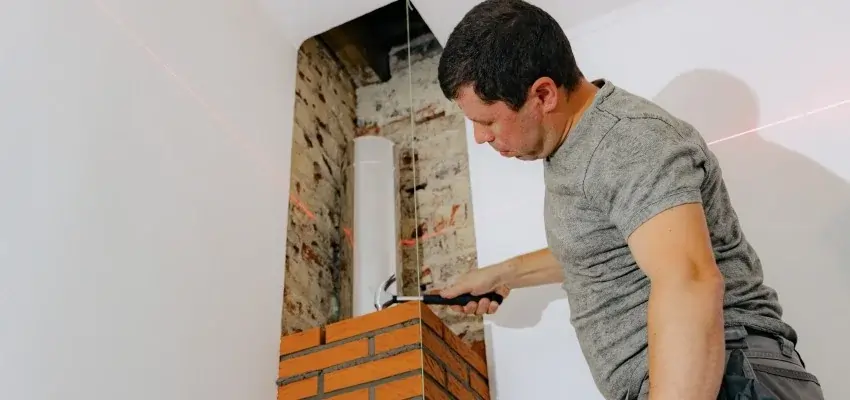
A common guideline is a professional check once a year, often before the season when the fireplace or stove is used most. Chimneys that serve wood-burning appliances, have had recent work or face harsh weather benefit most from that yearly rhythm. Extra checks make sense after a storm, a chimney fire, a roof replacement or any change to the fireplace or appliance. Even a chimney that is rarely used should be looked at, because weather, animals and settling affect it whether or not you light fires.
Yes for some jobs and no for others, so we check the forecast before almost every one. Rain and frost are the big two: wet brick will not take a repellent, freezing nights spoil fresh mortar and icy shingles make roof work unsafe. Extreme heat can be a problem too, drying mortar too fast. That is why spring and fall are our busiest seasons for masonry and waterproofing. Liners and pots are more flexible and can often be fitted in cooler months on a dry day. If a weather window closes, we move the date, because a rushed job in poor conditions rarely holds up.
We need three things from you: a cold appliance, a clear path and good information. Cold means no fire or stove use for a day or so, so we can work in the flue safely. A clear path covers the hearth, the route through the house and the ground where ladders go. Good information includes gate codes, where the attic hatch is, any pets at home and anything fragile on the roof, such as skylights. With those sorted, setup goes quickly and the crew can spend its time on the chimney rather than moving patio chairs.
Most of it comes down to how the fireplace is used and looked after. Burn dry, seasoned wood in moderate fires rather than very hot blazes fed with paper or trash, and have the flue swept regularly so creosote cannot build up and ignite. A cap keeps rain from soaking the tiles, and a sound crown keeps water out of the joints. If a gas appliance shares the chimney, make sure its flue is properly sized or lined. After any “flue tiles cracked repair” work, a yearly inspection catches new cracks while they are still small.
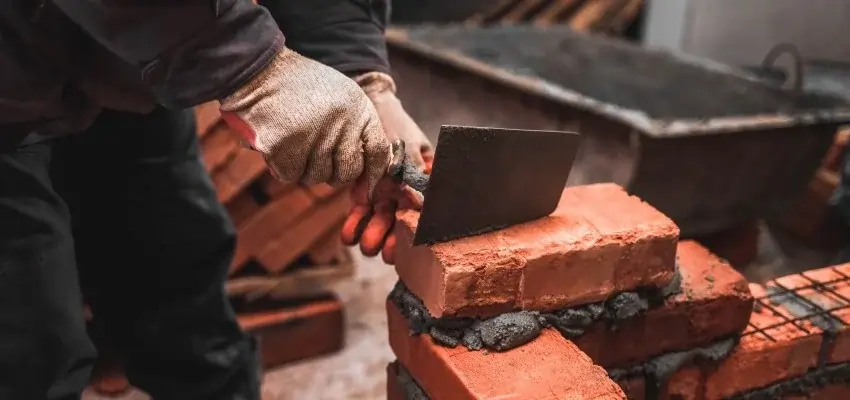
After the visit you get a short summary of what we found, what we did and anything worth planning for later. It makes future decisions about your chimney much easier. Book with Chimney Sweep Chilliwack and keep it on file.
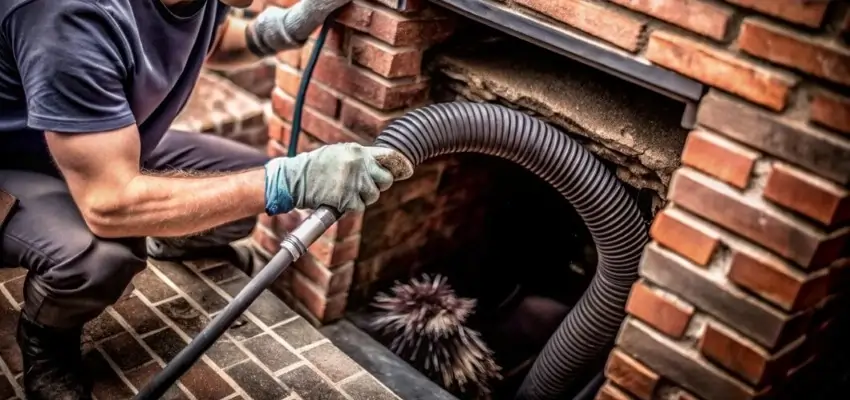
Less smoky smell, steadier flames: Chimney Cleaning around Chilliwack
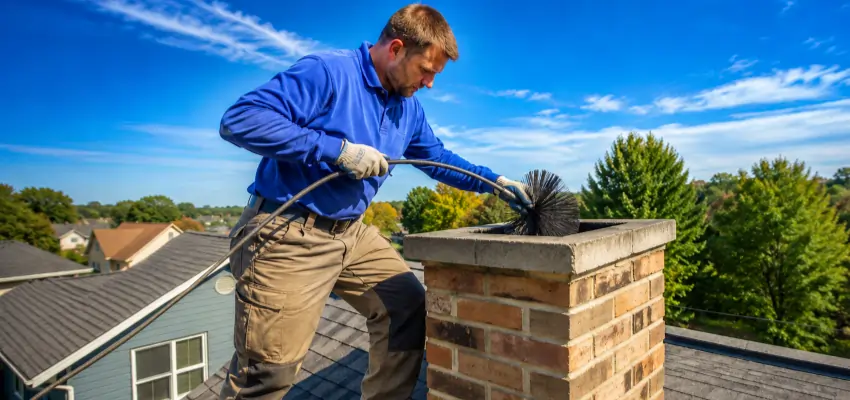
Chimney Sweep visits that leave Chilliwack living rooms clean
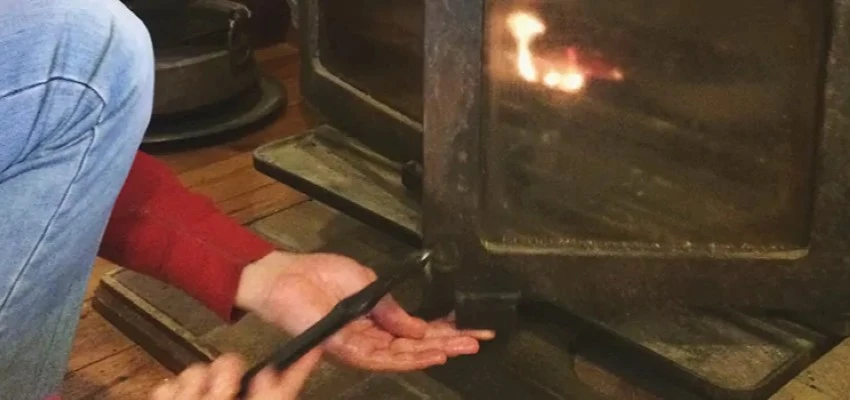
Swept and checked: Chimney Sweep Services in Chilliwack
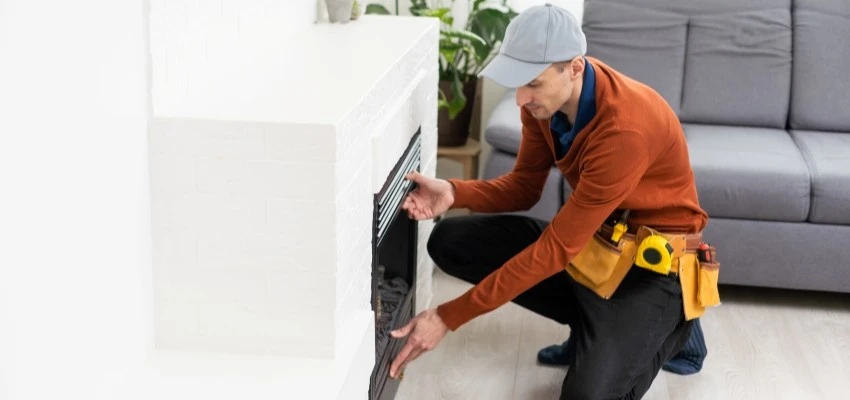
What Fireplace Experts check in your Chilliwack chimney
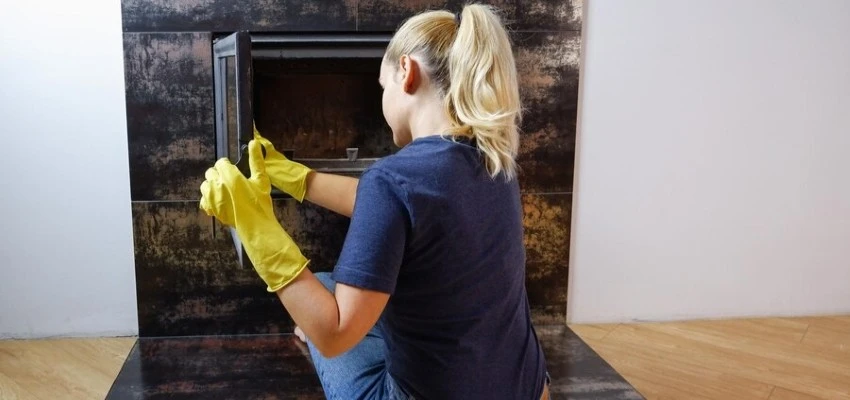
Hazy glass and dusty logs? Gas Fireplace Cleaning in Chilliwack
Catch a weak thermocouple early with Gas Fireplace Maintenance