The name on the front of a fireplace tells you who built it, not who is allowed to fix it. Homeowners around Chilliwack who search for “hearthstone stoves fireplace” usually want to know whether a local technician can handle their unit, what a repair visit involves and how the right parts are found. This page answers those questions in plain language for gas fireplaces, inserts and wood stoves alike, so you can approach Hearthstone stove service with a clear picture of what lies ahead.

Soapstone changes the pace of the job. Many stoves sold under this name pair a cast iron frame with soapstone panels, and the stone soaks up heat slowly and gives it back for hours after the fire dies down. For anyone researching “hearthstone stoves fireplace”, that has two practical effects. The panels sit in channels sealed with gaskets or cement, and those joints are where air leaks tend to begin. A cracked panel can often be replaced on its own instead of condemning the stove. The stone also stays warm a long time, so a repair visit should start with a stove that has been out since the day before.
Only in the details; the principles carry over. A thermocouple on one gas fireplace does the same job as on another, yet the mounting, length and connection can differ, and an electronic ignition board from one generation rarely fits the next. Wood stoves are similar, since baffles, air tubes and door latches vary by model even inside one product line. In practice, the first few minutes of every visit go to confirming exactly what we are looking at. After that, the diagnosis follows a routine any trained technician would recognize, and parts are matched to the model, not to the brand in general.
Cloudy glass can be harmless or a clue, depending on its color. The chalky white film we see on gas fireplaces builds up gradually and mostly affects appearance, though left for years it can bake on for good. Black soot is the one we pay attention to, because carbon forms when the flame is not getting the air or gas mix it needs. That sends us to the burner ports, the log or media layout and the vent. On wood stoves, dark glass after every fire usually points to low air settings or firewood that has not dried long enough.
Thumping ignition, grinding fans, electrical burning smells and lingering smoke are the warning signs; ticking metal and a brief new-part smell usually are not. Telling them apart is a big part of our job. A delayed light-off that rolls flame out of the firebox suggests a dirty burner or a weak igniter. A fan that squeals has worn bearings. A sharp, plastic smell can come from wiring touching something hot. On gas units, the smell of gas means leaving the house and calling the gas utility from outside before calling anyone else, us included.
We work from the symptom backward. If a gas fireplace will not light, we watch what it does when you press the button or flip the switch: is there a spark, does the pilot form, does the main burner try? Each step narrows the problem to the ignition, the sensor, the valve or the supply. With a wood stove, the questions are about draft, sealing and wear, and the answers come from the gaskets, the baffle and how the fire behaves. Testing comes before replacing anything, so you are not paying for parts that were never the problem.
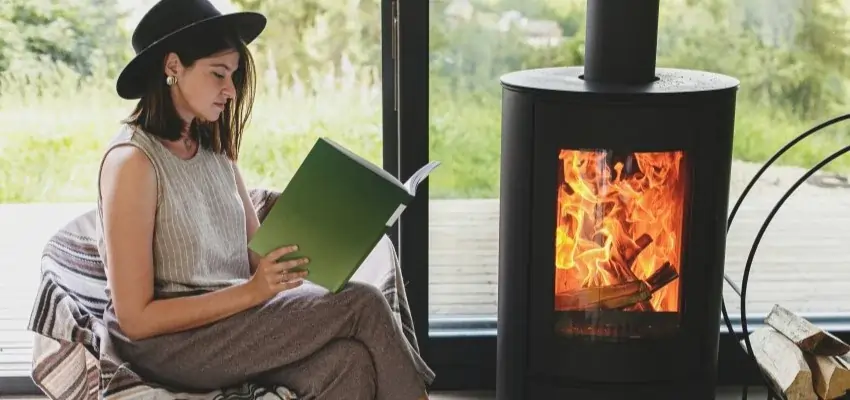
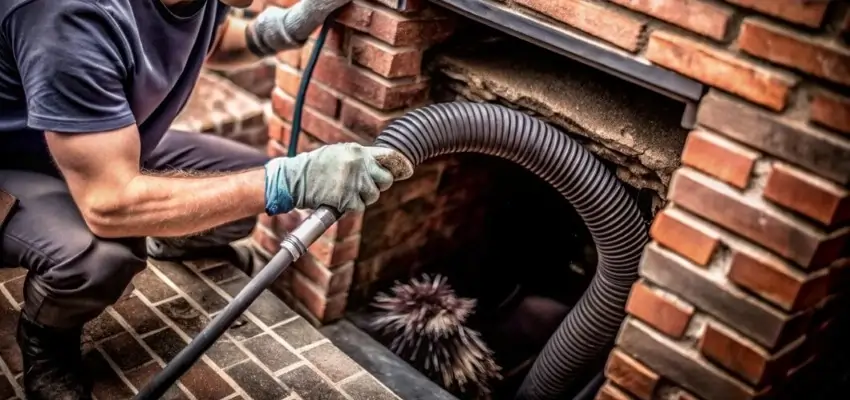
A wood stove tune-up focuses on the seals, the parts inside the firebox and the connection to the chimney. The technician checks that the door and glass gaskets still seal, inspects firebricks for cracks, looks at the baffle and any secondary air tubes for warping and tests the air control and door latch. On stoves with a catalytic combustor, its condition is checked too. The flue connection and the chimney itself should be inspected and swept as needed, since creosote buildup affects both safety and draft. Many owners book this before the heating season begins.
The model and serial number are printed on a rating label or metal plate attached to the unit. On many gas fireplaces and inserts, it sits behind the lower louver or grille near the controls, sometimes on a chain or tag that pulls out. On freestanding stoves, it is often on the back or underneath. Wait until the unit is completely cool, use a flashlight and take a clear photo rather than copying it by hand. Do not remove panels or touch gas parts to find it. If you cannot locate the label, photos of the front and the controls still help.
Any experienced stove technician can, and Chimney Sweep Chilliwack is one of them: an independent service company with no tie to the manufacturer. What should guide your choice after a “hearthstone stoves fireplace” search is how a company works. Expect questions about the model, whether the stove burns wood or gas and how it is behaving. On the visit, the technician should check gaskets, the stone or cast iron seams, the baffle area and the chimney connection, then explain what needs attention. Parts should match the list for your model, and any repair should be described before it begins.
The biggest advantage shows up on the second visit. Plenty of fireplace jobs go diagnose, order, return, and a crew that works close by fits that return trip in without much delay. Working one area also means we see the same builders’ choices again and again: the same models in a subdivision, similar venting routes and the same weak spots. That familiarity speeds up diagnosis. It also means you are dealing with people you can reach directly if the fireplace acts up after the repair, rather than a booking line that passes the job along.
A proper look at your stove means one less worry for everyone under your roof. We explain what we checked and what we recommend, step by step, in plain words. Call (778) 608-3976 to book Hearthstone stove service in Chilliwack.
Less smoky smell, steadier flames: Chimney Cleaning around Chilliwack
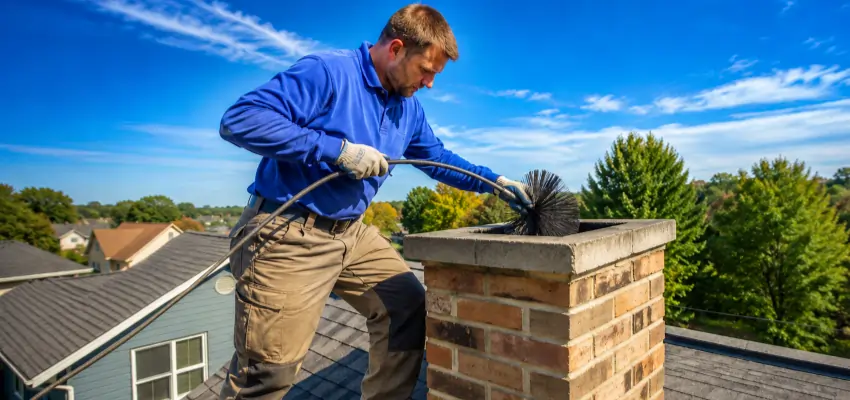
Chimney Sweep visits that leave Chilliwack living rooms clean
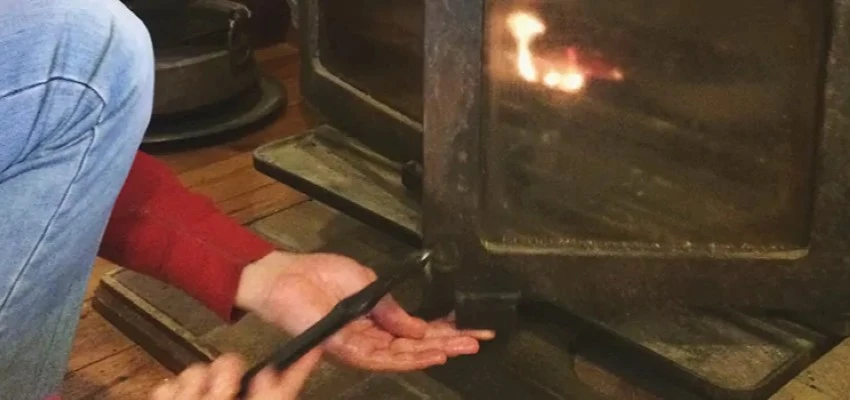
Swept and checked: Chimney Sweep Services in Chilliwack
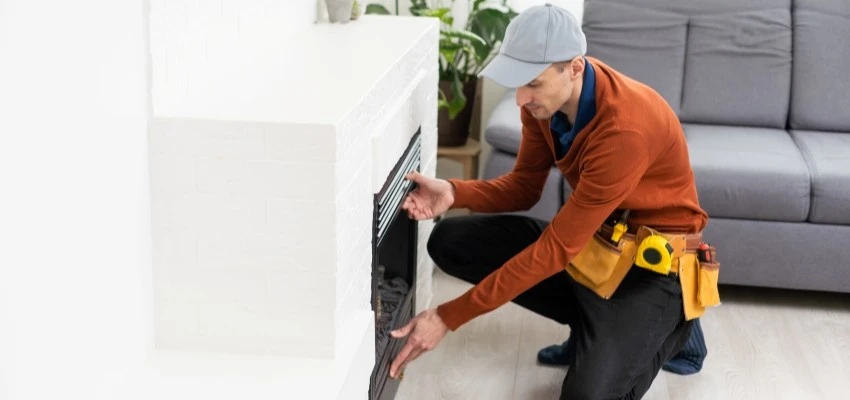
What Fireplace Experts check in your Chilliwack chimney
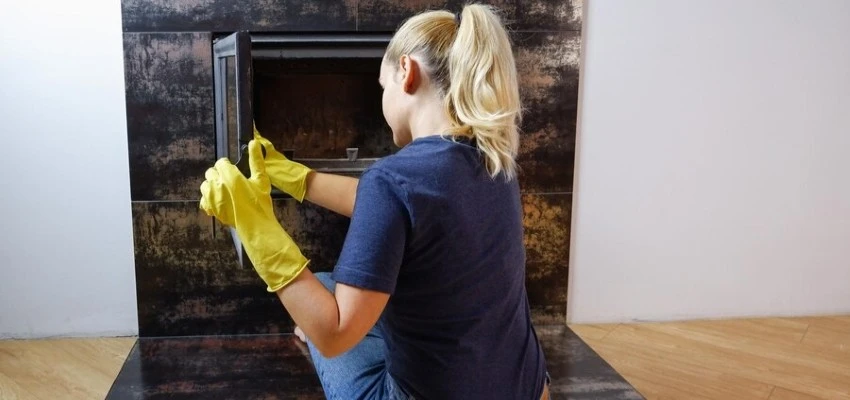
Hazy glass and dusty logs? Gas Fireplace Cleaning in Chilliwack
Catch a weak thermocouple early with Gas Fireplace Maintenance