Many people assume only the store that sold their fireplace can repair it. In practice, independent technicians work on a wide range of brands, guided by the model label and the manufacturer’s instructions. If you searched for “heat & glo fireplace repair” because you were not sure who to call in Chilliwack, read on. You will see how Heat & Glo gas fireplace repair usually unfolds, which details speed things up and which warning signs mean the unit should stay off until someone has looked at it.
No, an experienced fireplace technician can usually take on the job, dealer or not. On site, the badge on the front matters less than what sits behind the access panel: the valve and ignition design on a gas unit, or the baffle, air controls and gaskets on a wood stove. We read the label, pull up the manual for that model and check its parts list before ordering anything. When a repair calls for a component only the manufacturer supplies, we order that component rather than improvising. Asking a technician which brands and fuel types they see most often is a fair question before you book.
Partly. The basic systems are shared across brands: a gas unit needs a working valve, ignition, burner and vent, while a wood stove depends on tight seals, a sound firebox and a clear flue. What changes is the detail. Manufacturers place controls in different spots, use different ignition designs and specify their own replacement parts, and a single brand also changes its designs over time. That is why a careful technician starts with the model label and manual rather than guesswork. For you, the takeaway is simple: the repair approach is familiar, but the parts and steps are specific to your unit.
Film on fireplace glass usually tells you something about how the fire is burning. On gas units, a white haze is common and builds up from minerals and byproducts in the combustion gases; it can be cleaned with a product made for fireplace glass, since ordinary cleaners may etch it, ideally during a service visit on sealed units. Black soot on gas glass is different and suggests the flame is not burning cleanly, often because of misplaced logs, dirt in the burner or a venting issue. On wood stoves, brown or black staining usually comes from smoldering fires or damp wood.
Clicking with no flame means the igniter is sparking but the pilot is not catching. Many built-in gas fireplaces, including plenty of the units behind “heat & glo fireplace repair” searches, use electronic ignition that lights the pilot only when heat is called for. The usual suspects are a pilot hood clogged with dust, a worn or misaligned spark electrode, air in the gas line after a long idle spell, a supply valve left closed after other work or a control module that is failing. Let it click for a short while only, then switch it off. Repeated attempts are not a fix, and a qualified gas technician should trace the cause.
A thorough gas fireplace check covers the parts that keep the flame clean and the exhaust moving outdoors. Typical steps include cleaning the pilot assembly and burner, testing the ignition and flame sensor, checking gas connections for leaks and confirming the flame looks right. On sealed units, the glass is removed, cleaned and its gasket inspected. Logs or decorative media are set back in the layout the manual shows, since misplaced pieces cause soot. Outside, the vent termination should be clear of nests, plants and debris. Ask for a short summary of what was found and anything that needs attention.
The cost of fireplace repair depends mainly on the part involved, how hard it is to reach and how long diagnosis takes. A worn gasket or thermocouple is a modest job, while a control module, gas valve or blower buried deep inside an insert takes more time and a costlier part. Older or discontinued models can add time spent tracking down the right component, and some repairs need a second visit once the part arrives. Ask for a quote that separates labor from parts and explains what is included, so you can compare offers fairly.
Prepare by letting the unit cool completely and clearing the space around it. Turn a gas fireplace off several hours before the appointment, and do not light a wood stove that day so the firebox is cold. Remove decorations, screens, rugs and anything stored on the hearth or mantel, and leave a clear path from the door. If the vent ends outside, make sure the technician can reach it. Have the manual and any past service paperwork ready, keep pets in another room and plan to be home to describe the problem and hear what was found.
Most remote problems come down to batteries, either in the handheld unit or in the receiver that sits near the fireplace controls. With the fireplace off and cool, replace both sets first, since a weak receiver battery can mimic a failed remote. Many systems also need the remote and receiver paired again after a battery change or power outage, and the owner’s manual explains the steps. If the fireplace still does not respond, try the wall switch or manual setting if it has one. When nothing works, the receiver, module or valve may need attention from a qualified gas technician.
No. Chimney Sweep Chilliwack is an independent fireplace service company. We are not a dealer for Heat & Glo or any other manufacturer, and we do not claim a connection we do not have. What we bring to a gas fireplace repair is hands-on work with built-in units and inserts, the habit of reading the rating label first and the manufacturer’s own instructions for that model. When a part is needed, we source the item listed for your fireplace rather than a lookalike. If you were comparing results for “heat & glo fireplace repair”, ask every company the same question and expect a straight answer.
Tell us the days and hours that suit you and we will look for an opening that matches. We confirm the arrival window ahead of time so you can plan your day in Chilliwack. Request a time for Heat & Glo gas fireplace repair.
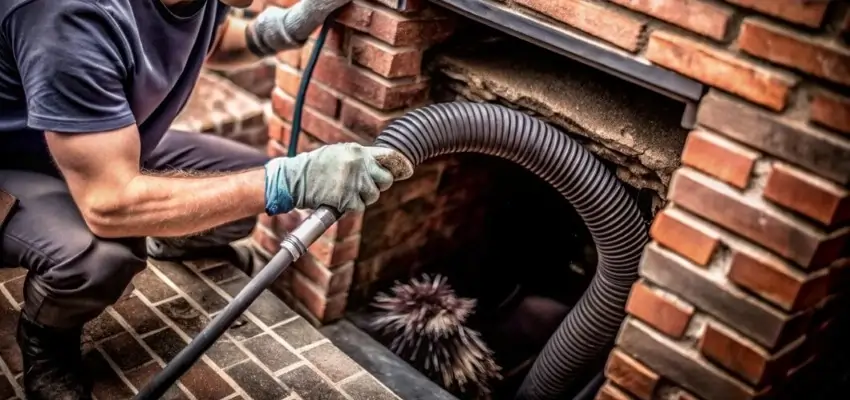
Less smoky smell, steadier flames: Chimney Cleaning around Chilliwack
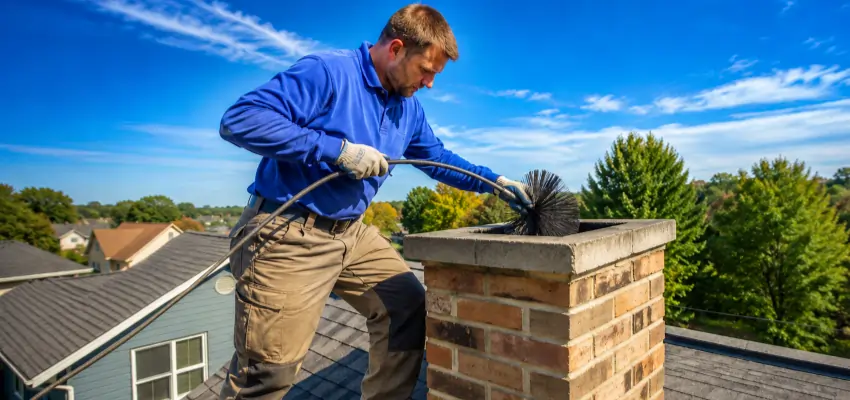
Chimney Sweep visits that leave Chilliwack living rooms clean
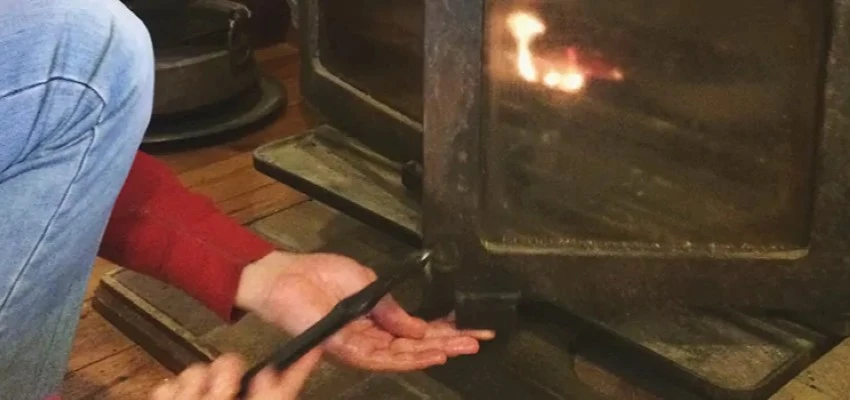
Swept and checked: Chimney Sweep Services in Chilliwack
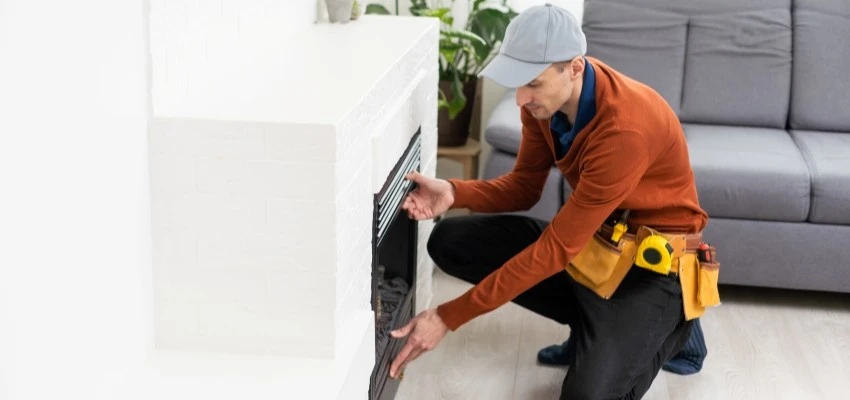
What Fireplace Experts check in your Chilliwack chimney
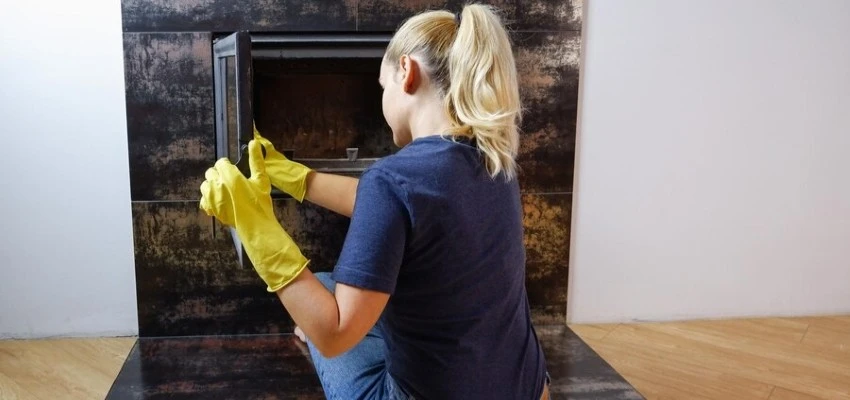
Hazy glass and dusty logs? Gas Fireplace Cleaning in Chilliwack
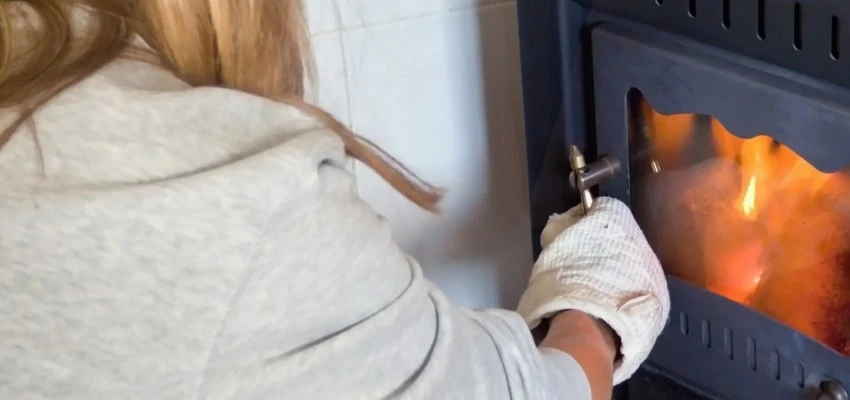
Catch a weak thermocouple early with Gas Fireplace Maintenance