Clicking without a flame, a stove that will not hold a fire overnight, a smell you never noticed before: fireplace trouble usually starts with one small symptom. People in Chilliwack who search for “heatilator fireplace repair” tend to have a specific problem in mind and a handful of general questions besides. Both are covered here, explained by technicians who open up gas and wood units every week, together with honest notes on what Heatilator fireplace and insert repair can and cannot fix.
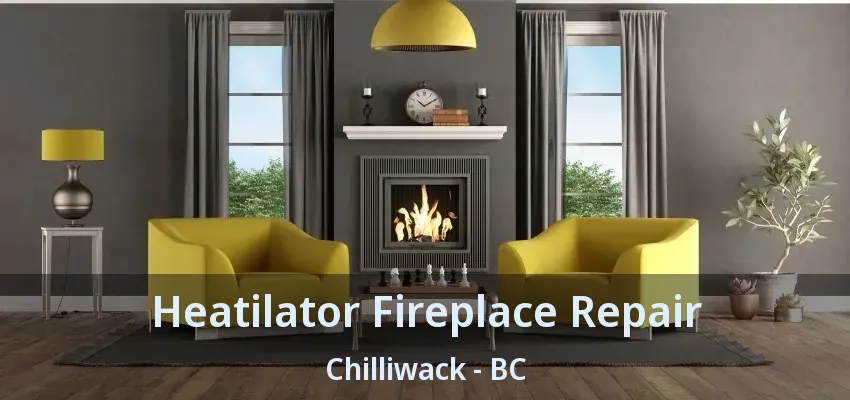
Often, yes, especially when the body of the unit is sound and parts are still available. Worn gaskets, a tired thermocouple, a cracked firebrick or a noisy blower are routine repairs that can give an older fireplace many more seasons. Replacement deserves a conversation when the firebox is rusted through or cracked, when key parts such as the gas valve or ignition system are no longer made, or when the unit has been damaged by water or overheating. Ask the technician to explain both paths in plain terms, including how long each is likely to last, before you decide.
A factory-built fireplace is a metal firebox designed and tested as a complete system with its own chimney pipe, instead of being built from brick on site. Many builders install them, and the name on yours may be the one you searched for with “heatilator fireplace repair”. For repairs, the system idea matters: refractory panels, glass doors, the chimney pipe and the cap are all specified for that model, and mixing in parts from elsewhere can change how it performs. A technician should identify the model from its label before replacing panels or venting parts, and cracked or warped components should be replaced, not patched.
Hairline cracks in the refractory panels that line a factory-built wood fireplace are common and often cosmetic, but wider cracks, missing pieces or metal showing through are a different matter. Those panels protect the steel firebox behind them from direct heat. Once they crumble, the metal can warp or burn through, which turns a modest repair into a much bigger one. Many manuals describe how wide a crack can be before a panel must be replaced, so the technician checks your model’s guidance. If you can see bare metal behind a panel, stop using the fireplace until it has been looked at.
A pilot that keeps dropping out almost always traces back to the flame, the sensor or the venting, and we check them in that order. A healthy pilot flame wraps the tip of the thermocouple or thermopile; a lazy, yellow or lifting flame usually means dust or spider webs in the pilot orifice. Next we measure the sensor’s output, because these parts weaken with age long before they fail outright. Finally, we inspect the vent and its outside cap, since a partly blocked vent can starve the flame. Cleaning or replacing pilot parts is work for a qualified gas technician, never a do-it-yourself job.
Smoke coming into the room usually means the stove is not drafting well or is leaking around its seals. Common causes include a door gasket that has flattened, a cracked glass seal, a partly blocked flue or chimney cap, a chimney that is still cold when the fire is lit and wet firewood that smolders instead of burning. Opening the door quickly can also pull smoke out. Open the air control and crack the door slowly before loading. If smoke keeps escaping, stop using the stove, have it and the chimney checked and make sure your carbon monoxide alarms work.

A repair visit usually follows a clear sequence, starting with diagnosis. The technician asks what you have noticed, reads the model and serial label and makes sure the unit is cool and safe to open. On a gas fireplace, that means watching the ignition sequence, inspecting the pilot, burner and venting and checking connections for leaks. On a wood unit, it means looking at seals, baffles, firebricks and the flue connection. Once the cause is found, you should hear what failed, what the fix involves and whether a part has to be ordered. Simple repairs are often finished the same visit.
Plan on an hour or two for most visits, with exceptions we can usually predict. The unit needs to be cold before we open it, so a fireplace that was running that morning adds waiting time. Diagnosis is quick when the fault happens on demand and slower when it only shows up after the unit has been running a while. Parts are the other variable: if we carry the part, the repair usually happens on the spot; if it has to be ordered, we schedule a return trip and share what we know about delivery.
Once a year suits most households, and we adjust from there. A gas fireplace that runs every evening through the colder months collects more dust in the burner and more wear on its ignition than one lit a few times a season. A wood stove used as a main heat source may need its flue swept more than once in a winter. We note what we find at each visit, such as how dirty the burner was or how much creosote came out, and suggest the next date from that. Your manual’s recommendation is the baseline; your usage fine-tunes it.
It should work the way it did when it was healthy, and we check that before leaving. We run the fireplace through a full start, watch the flame pattern and confirm the controls respond, or for a stove, make sure new gaskets seat properly when the door latches. Fresh paint, adhesives and new gaskets can give off a smell for the first few burns; that is expected and fades quickly with some ventilation. What is not expected is the same fault coming back. If it does, let us know, because an intermittent problem sometimes has a second cause hiding behind the first.

Start with whatever you noticed, even if it seems minor. A short description is enough for us to suggest the right kind of visit for your fireplace. Call (778) 608-3976 and the Chimney Sweep Chilliwack team will guide you from there.
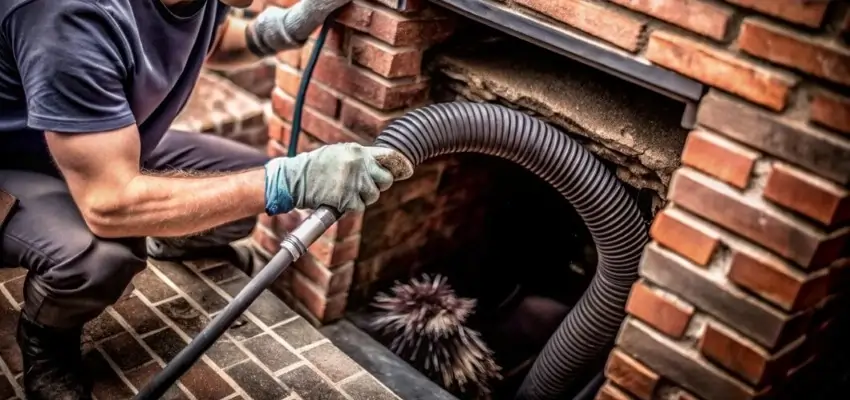
Less smoky smell, steadier flames: Chimney Cleaning around Chilliwack
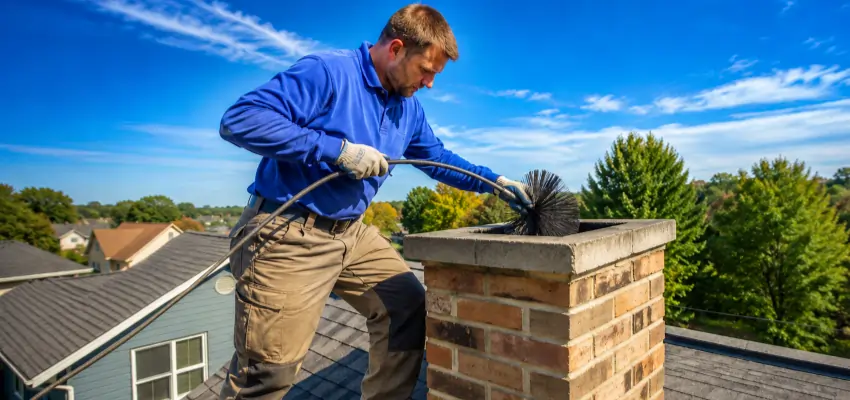
Chimney Sweep visits that leave Chilliwack living rooms clean
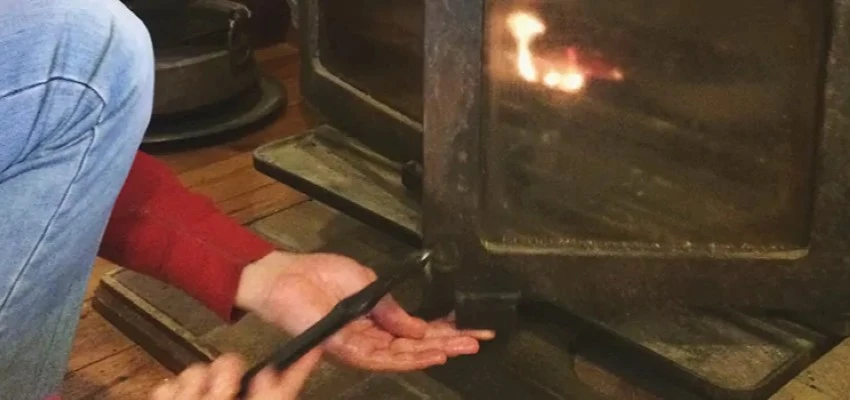
Swept and checked: Chimney Sweep Services in Chilliwack
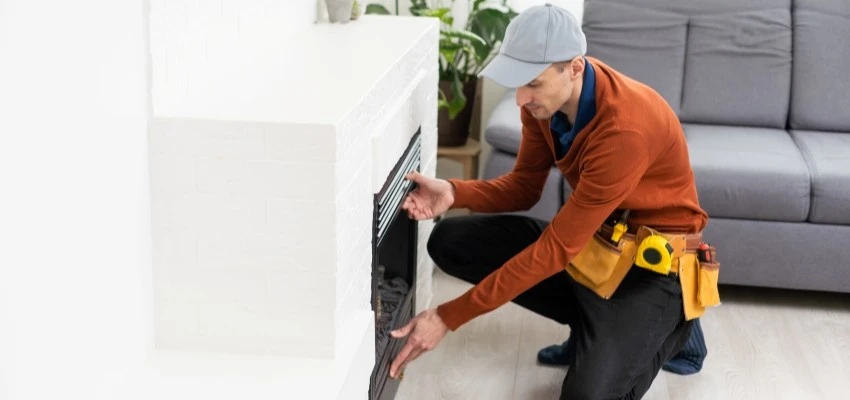
What Fireplace Experts check in your Chilliwack chimney
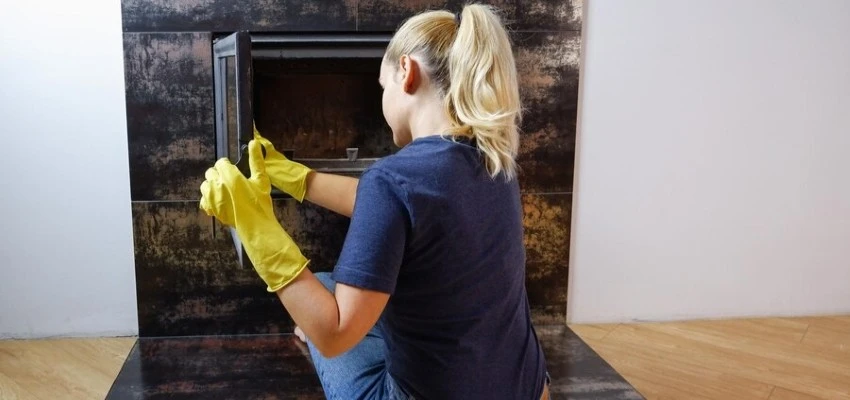
Hazy glass and dusty logs? Gas Fireplace Cleaning in Chilliwack
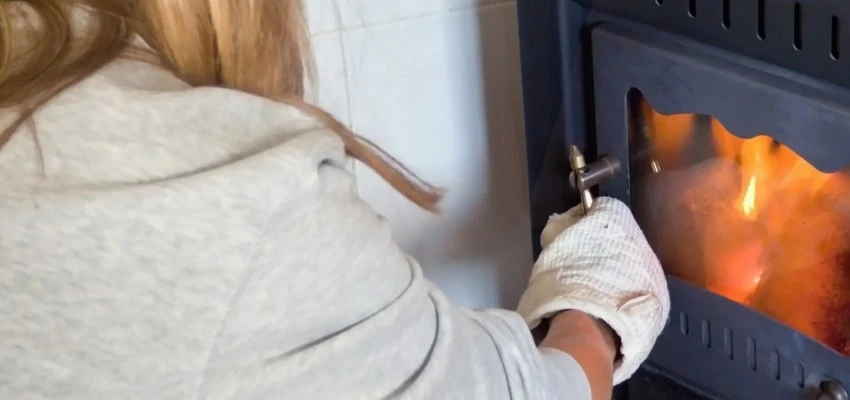
Catch a weak thermocouple early with Gas Fireplace Maintenance