A licensed gas technician from Chimney Sweep Chilliwack takes care of ignition, burner, valve, controls, and venting on these units. Glass, barrier fans, panels, and media belong to the appliance page. What follows covers the two vent arrangements, the electronic-only ignition, the faults we meet most, and the order in which a gas fireplace repair visit is carried out.
A fireplace close to an exterior wall or roof normally uses 5x8 concentric pipe, a sealed tube inside a tube that keeps intake and exhaust apart all the way to the cap. A fireplace set deeper in the house relies on the brand's own power vent instead, either an inline unit mounted partway along the duct or a flush unit set into the outside wall. An Enervex system is the approved alternative, and either kind can move exhaust roughly 165 feet.
A fan-driven system adds a motor, wiring, and an airflow check between the room and the outdoors. If the motor stalls, the breaker trips, or the outlet clogs, the control will not open the gas valve, and to an owner it looks like the fireplace has simply died. On every gas visit we start at the termination and work back to the firebox. A carbon monoxide detector on the same storey is still worth having with a sealed unit; if it alarms, switch off and air the room before calling.
No model in this range keeps a pilot burning between fires; the maker chose electronic ignition to avoid that waste. Asking for heat makes the module spark a small pilot, wait for proof of flame, and then release gas to the main burner. Whether the request comes from the handset, a wired switch, or a phone, it lands at that one module. Freestanding Island and Curve models work the same way, with the control tucked into the base and the flue rising straight through the ceiling.
With no standing pilot there is nothing to blow out, yet every start depends on the module, the igniter, the flame sensor, and a steady power supply. Our diagnosis walks that chain in order: supply voltage and any backup, pairing of the handset or app, the spark and pilot flame, the sensor signal, and the valve last. Natural gas and propane versions also carry different maximum inputs, so a unit converted to propane may run a slightly smaller flame by design rather than by fault.
These are the gas-side symptoms owners describe most, each followed by the part it usually leads us to.
Nothing happens when the remote is pressed - a power vent that never confirmed airflow, or a module that has lost its supply.
Igniter clicks but no pilot appears - pilot gas not arriving, from a closed manual valve, an empty propane tank, or a fouled pilot orifice.
Pilot lights, then everything stops - a sensor that cannot read the flame because it is crusted over or pushed out of position.
Flame patchy along the burner - media covering some ports, or building dust inside the burner after renovation work.
App connects but the fire ignores it - the app module is on the home network but has lost its link to the fireplace control.
If you smell gas while the fireplace is off, close the supply valve, leave switches alone, and phone from another room.
Our order of work never changes, because each step rules out a cause before the next. Venting comes first: termination, duct, and the power vent motor and airflow switch where fitted. Electrical supply and controls follow, then igniter, sensor, and pilot. Once those prove out, a manometer at the valve gives supply and burner pressures, checked against the label for natural gas or propane.
The burner comes last. Media is lifted, the ports are inspected and cleared, and the media goes back in its approved layout before we judge the flame with the glass and barrier refitted. Joints we opened are tested with leak solution before we pack up. A power vent cleaned each autumn, with its outside opening kept free of leaves and snow, keeps these fireplaces starting dependably for many seasons.
A few details speed things up. Tell us whether a vent fan sits somewhere on the exhaust run, whether the fireplace is run from a handset, a switch, or an app, and which fuel appears on the label. With that we can load the right module, sensor, or power vent components. Chimney Sweep Chilliwack carries the licensing and insurance gas work demands, and a Ortal Gas Fireplace Repair Chilliwack booking is normally finished on the first trip, with the pressures noted for next time.
Phone (778) 608-3976 to book, or use the contact us form and tell us the model. Owners around Chilliwack get an appointment and an outline of the likely parts.
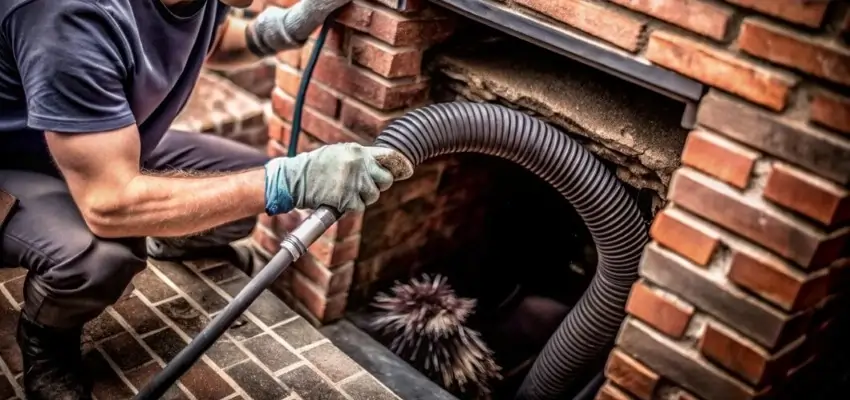
Less smoky smell, steadier flames: Chimney Cleaning around Chilliwack
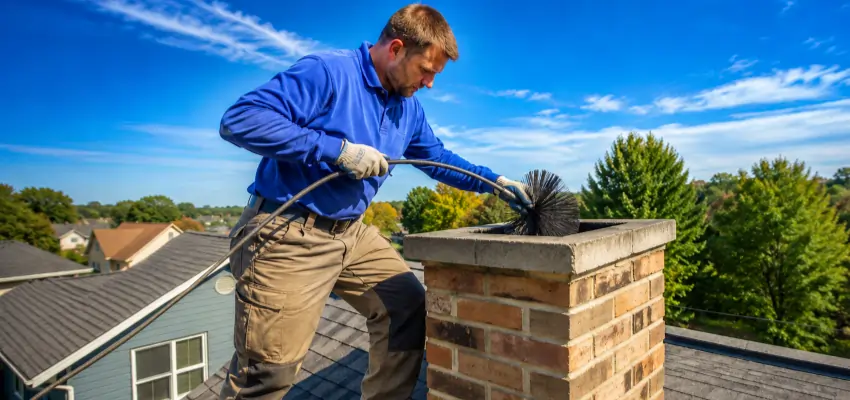
Chimney Sweep visits that leave Chilliwack living rooms clean
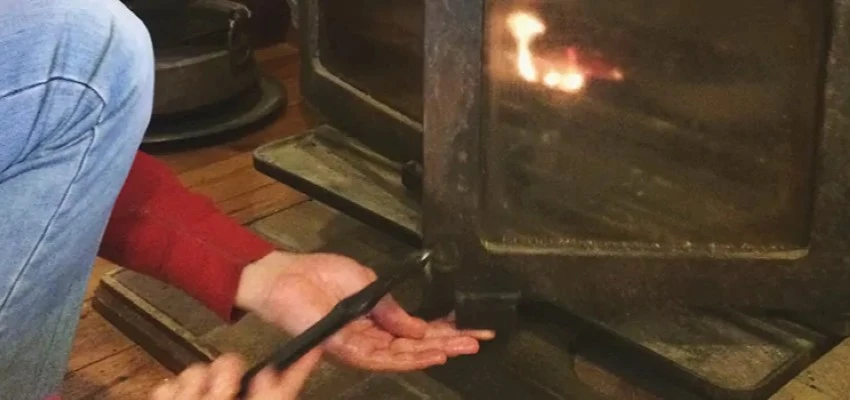
Swept and checked: Chimney Sweep Services in Chilliwack
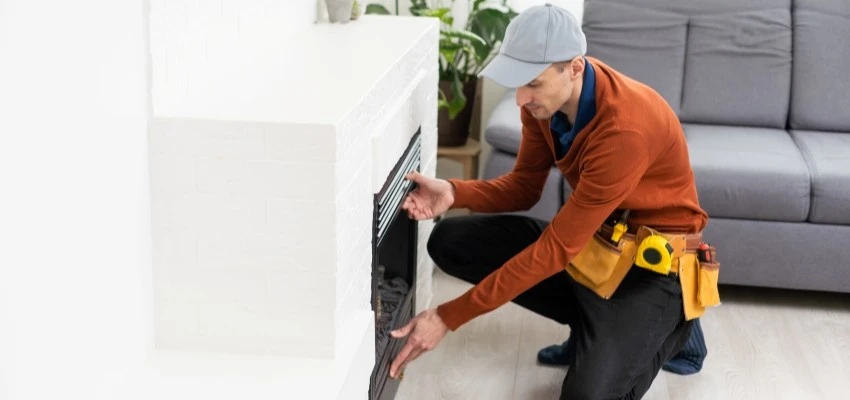
What Fireplace Experts check in your Chilliwack chimney
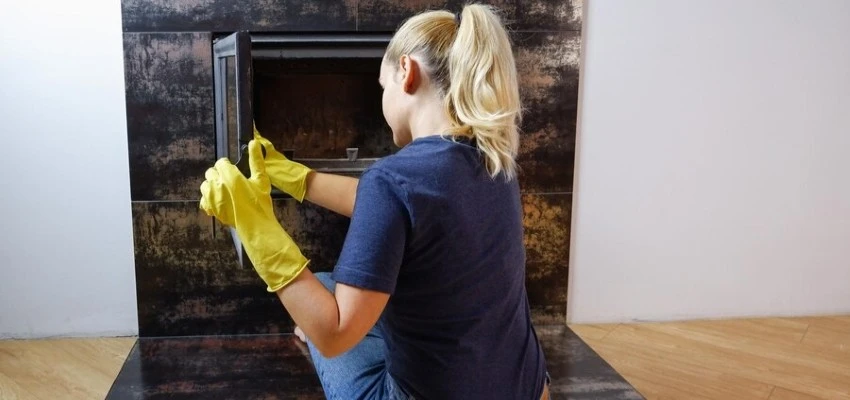
Hazy glass and dusty logs? Gas Fireplace Cleaning in Chilliwack
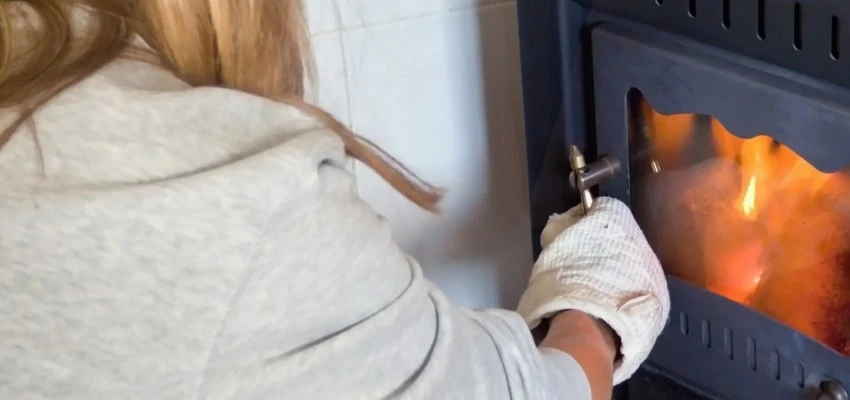
Catch a weak thermocouple early with Gas Fireplace Maintenance