Every fireplace has two jobs: keep the fire where it belongs and carry the exhaust safely outdoors. Any sound repair starts by making sure both still happen, and the answers on this page approach Osburn stove and insert repair the same way. They respond to what homeowners around Chilliwack ask after looking up “osburn fireplace repair”, with clear notes on warning signs, the checks you can safely make yourself and the work that belongs to a qualified technician.
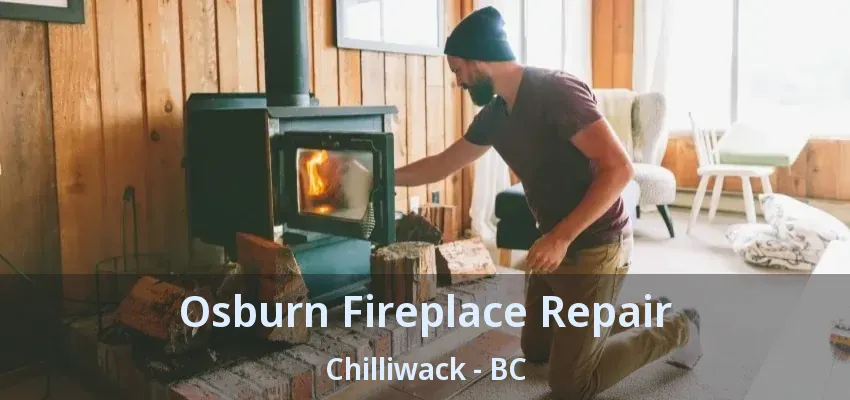
No, a dealer is not the only option. Independent technicians repair most major brands of gas fireplaces, inserts and wood stoves, because the core systems are similar from one maker to the next. What matters is that the technician identifies your exact unit from its rating label, follows the manufacturer’s installation and service instructions and uses the replacement parts those instructions call for. Dealers mainly sell and install new equipment, and some also offer service, but the choice of who works on your stove is yours. Ask anyone you call which types of units they handle and how they source parts.
A stove that used to hold a fire overnight and now burns through its load quickly is usually pulling in too much air. Worn door or glass gaskets, a cracked firebrick that exposes a gap, a warped baffle or an air control that no longer closes fully are the common causes. Very dry or small pieces of wood burn faster too. A paper test at the door gasket is a fair first check you can do yourself when the stove is cold. If the seals pass, the technician looks deeper at the baffle, the air control linkage and the chimney draft, which can be stronger than the stove was designed for.
Smoke in the room comes from one of two things: a leak or weak draft. To find a leak, we close the door on a strip of paper at several points; if it slides out easily, the gasket is no longer sealing. We also look at the glass gasket and the seams where plates meet. For draft, we check the flue for creosote or a blocked cap, look at how the stovepipe is routed and ask how fires are started. A cold chimney, a tight house with exhaust fans running and damp wood can each make a perfectly good stove smoke.
Cloudy glass can be harmless or a clue, depending on its color. The chalky white film we see on gas fireplaces builds up gradually and mostly affects appearance, though left for years it can bake on for good. Black soot is the one we pay attention to, because carbon forms when the flame is not getting the air or gas mix it needs. That sends us to the burner ports, the log or media layout and the vent. On wood stoves, dark glass after every fire usually points to low air settings or firewood that has not dried long enough.
Servicing a wood stove is mostly about restoring a tight, predictable burn. We start with the seals, because a stove that leaks air burns too hot and too fast. Then we lower the baffle where the design allows, which lets us inspect the top of the firebox and the flue collar for creosote and corrosion. Firebricks are swapped if they are cracked through, and loose air tubes are reseated. If the stove uses a catalytic combustor, we check whether it is still doing its job. We finish at the stovepipe or liner and recommend a sweep if the deposits call for one.
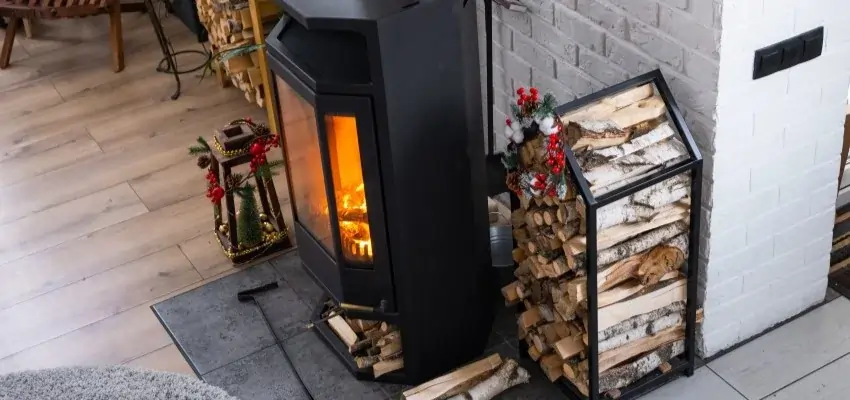
Plan on an hour or two for most visits, with exceptions we can usually predict. The unit needs to be cold before we open it, so a fireplace that was running that morning adds waiting time. Diagnosis is quick when the fault happens on demand and slower when it only shows up after the unit has been running a while. Parts are the other variable: if we carry the part, the repair usually happens on the spot; if it has to be ordered, we schedule a return trip and share what we know about delivery.
Give the technician the brand, model and serial number, the fuel type and whether it is a built-in fireplace, an insert or a freestanding stove. Then describe the problem as precisely as you can: what happens, when it started, whether it is constant or comes and goes and anything that changed around that time, such as a power outage, new batteries or renovation work. Mention any blinking lights or sounds, and what you have already tried. Photos of the label, the controls and the flame help a lot. Clear details often mean the right part arrives with the first visit.
Burning habits have a big effect on how long a wood stove’s parts last. Dry, seasoned firewood burns hotter and cleaner, which keeps glass clear and slows creosote buildup. Avoid overfiring: a stove packed full with the air wide open can warp baffles, crack firebricks and stress welds. Never burn trash, painted or treated wood, or large amounts of cardboard. Use the air control as the manual describes, remove ashes before they crowd the firebox and close the door gently so the gasket lasts. These habits stretch the time between repairs noticeably.
Many service tasks can be done with the insert in place, such as replacing door gaskets, firebricks, glass and air tubes, cleaning the blower and checking the baffle. Repairs to the blower wiring or the liner connection sometimes mean sliding the insert forward, which takes care to protect the hearth and surround. A technician can tell from your model’s manual what is reachable from the front. When you book after searching for “osburn fireplace repair”, mention that it is an insert and whether the surround panels come off easily. Chimney Sweep Chilliwack is an independent company and does this work without any link to the manufacturer.

We work in the neighborhoods around Chilliwack every week, so we know the housing styles and the problems they tend to have. That local experience shapes every visit. Schedule Osburn stove and insert repair with Chimney Sweep Chilliwack at a time that suits you.
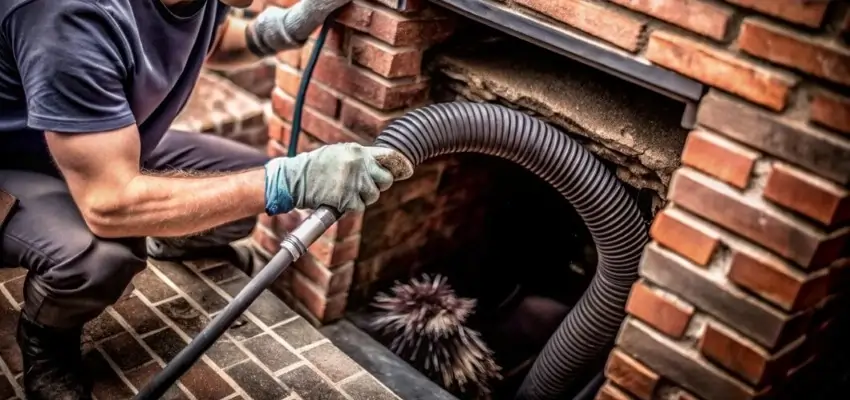
Less smoky smell, steadier flames: Chimney Cleaning around Chilliwack
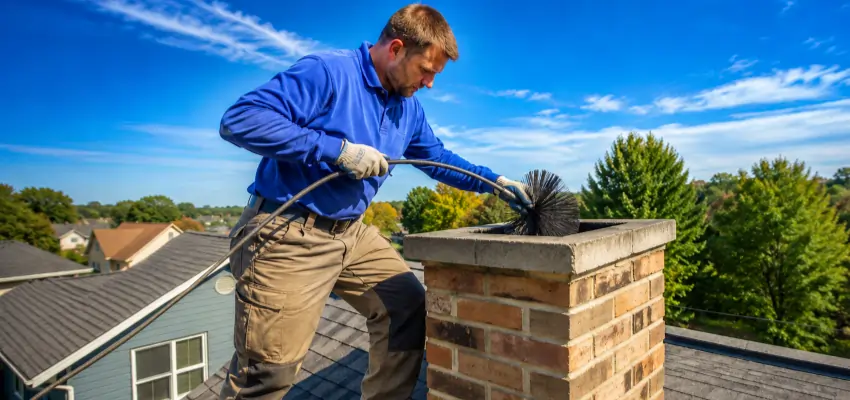
Chimney Sweep visits that leave Chilliwack living rooms clean
Swept and checked: Chimney Sweep Services in Chilliwack
What Fireplace Experts check in your Chilliwack chimney
Hazy glass and dusty logs? Gas Fireplace Cleaning in Chilliwack
Catch a weak thermocouple early with Gas Fireplace Maintenance