When homeowners in Chilliwack search for “pacific energy fireplace repair”, they usually want three things answered: what is wrong, whether it can be fixed and what the work will involve. The answers below take those questions one at a time, for gas fireplaces, inserts and wood-burning stoves, without a sales pitch. Read the parts that match your unit and you will go into any conversation about Pacific Energy stove and insert repair knowing which details matter and which ones do not.
No, an experienced fireplace technician can usually take on the job, dealer or not. On site, the badge on the front matters less than what sits behind the access panel: the valve and ignition design on a gas unit, or the baffle, air controls and gaskets on a wood stove. We read the label, pull up the manual for that model and check its parts list before ordering anything. When a repair calls for a component only the manufacturer supplies, we order that component rather than improvising. Asking a technician which brands and fuel types they see most often is a fair question before you book.
A rattling, humming or squealing blower on a wood insert usually means dust and ash have built up on the fan wheel, a bearing is wearing out or the blower housing has worked loose. Many insert blowers sit under or behind the firebox and pull room air across hot steel, so they collect fine ash and pet hair over a season. A technician can often clean the wheel and secure the housing; a motor with failing bearings is replaced. Mention the sound, when it started and whether it changes with fan speed when you book Pacific Energy stove and insert repair. Never reach into the blower area while the stove is hot or plugged in.
Most branded fireplaces wear out in predictable places, whatever name is on the front. Typical problems include:
None of these is unusual, and most can be repaired once the cause is confirmed.
For the parts that wear, generally yes. Manufacturers tend to support their common service parts long after a model leaves the showroom floor, and many older units share components with newer ones. The harder calls come with obsolete control modules, valves and trim. Our routine is to read the rating label, find the parts list for that exact model and look for the original or a substitute the manufacturer approves. We do not adapt gas parts from other units to make something work. If a key safety component simply no longer exists, we will tell you so rather than force a repair.
Most of the difference comes down to three things: the part, the access and the time it takes to find the fault. Parts vary widely, and an electronic module or valve costs far more than a gasket kit. Access matters because an insert boxed in by stone, or a stove squeezed into a tight alcove, takes longer to open up than a unit with room around it. Intermittent faults take the most diagnosis, since we may need to run the fireplace through several cycles to catch the problem. We explain those factors before starting and price parts and labor separately.

The model and serial number are printed on a rating label or metal plate attached to the unit. On many gas fireplaces and inserts, it sits behind the lower louver or grille near the controls, sometimes on a chain or tag that pulls out. On freestanding stoves, it is often on the back or underneath. Wait until the unit is completely cool, use a flashlight and take a clear photo rather than copying it by hand. Do not remove panels or touch gas parts to find it. If you cannot locate the label, photos of the front and the controls still help.
It should work the way it did when it was healthy, and we check that before leaving. We run the fireplace through a full start, watch the flame pattern and confirm the controls respond, or for a stove, make sure new gaskets seat properly when the door latches. Fresh paint, adhesives and new gaskets can give off a smell for the first few burns; that is expected and fades quickly with some ventilation. What is not expected is the same fault coming back. If it does, let us know, because an intermittent problem sometimes has a second cause hiding behind the first.
Burning habits show up in a stove’s parts so clearly that we can usually tell how it has been run before we ask. Warped baffles, cracked bricks and discolored steel point to overfiring, often from loading lots of dry wood with the air control wide open. Heavy black glass and sticky creosote point the other way, to damp wood or fires starved of air. The stoves that age gracefully get steady, moderate fires of well-seasoned wood, regular ash removal and doors that are latched rather than slammed. Following the burn instructions in your manual protects the gaskets, glass and internal parts.
Clean it out and let it breathe. Once the last fire is out and the stove is cold, remove all ashes, since ash left in the firebox over a humid summer draws moisture and can corrode steel. Leave the air control slightly open and the door unlatched, if your manual allows, so air keeps moving through. Spring is also a sensible time to have the chimney swept, because deposits can smell in warm, damp weather. Note anything you noticed during the season, such as gasket or glass issues, and book the “pacific energy fireplace repair” work over the summer while schedules are lighter.
The weeks before heavy use are the calmest time to deal with your stove. Appointments are easier to find and any repair can be planned without pressure. Book Pacific Energy stove and insert repair in Chilliwack while your calendar still has room.
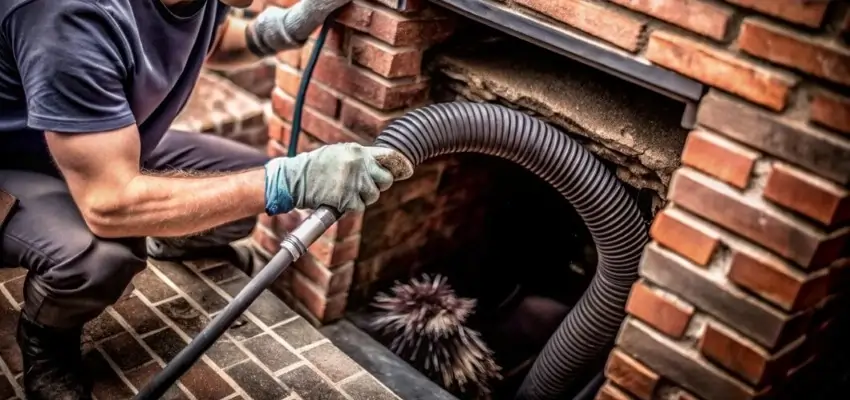
Less smoky smell, steadier flames: Chimney Cleaning around Chilliwack

Chimney Sweep visits that leave Chilliwack living rooms clean
Swept and checked: Chimney Sweep Services in Chilliwack
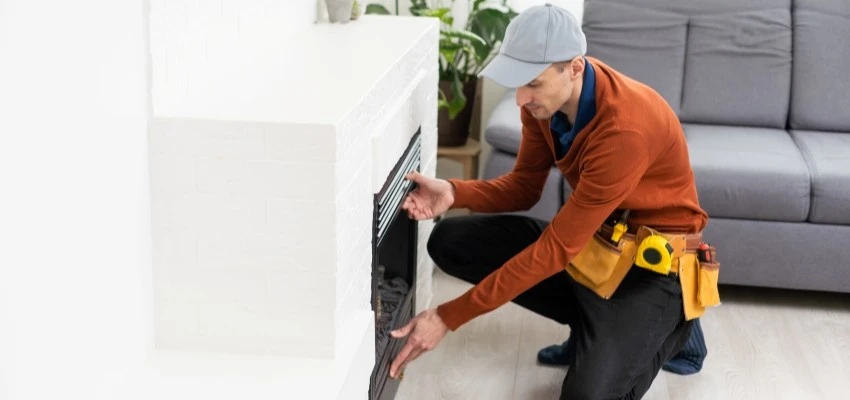
What Fireplace Experts check in your Chilliwack chimney
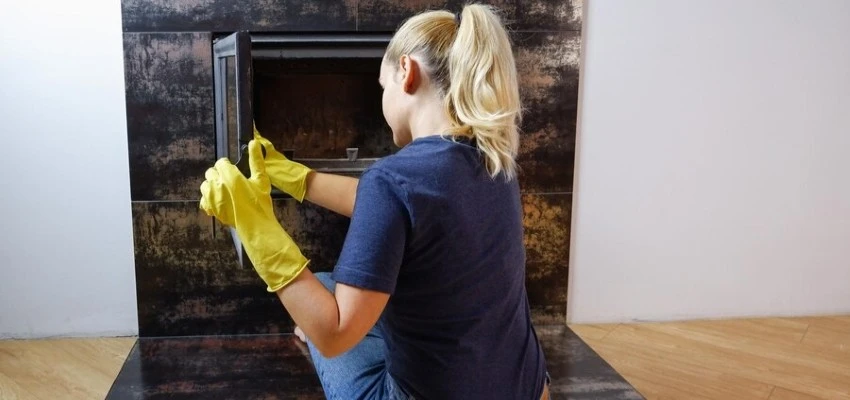
Hazy glass and dusty logs? Gas Fireplace Cleaning in Chilliwack
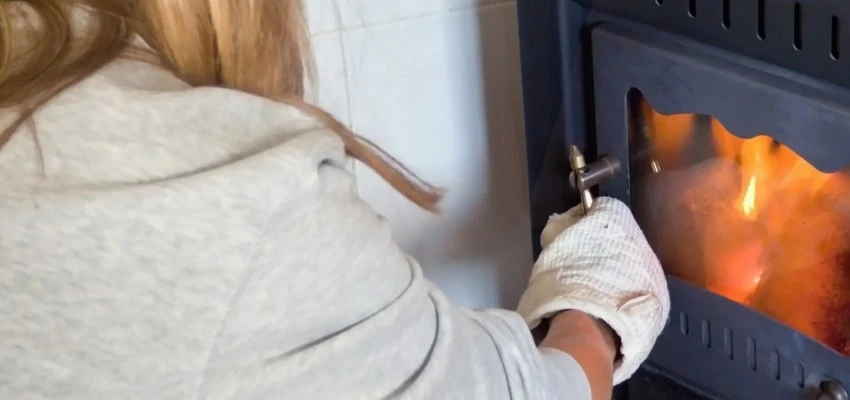
Catch a weak thermocouple early with Gas Fireplace Maintenance