Information about chimneys is scattered across product sheets, forum threads and sales pages. This page gathers the common questions about factory-built chimney installation in one place for homeowners in Chilliwack, answered the way a technician would explain them on site. Whether you found it through “prefab chimney installation” or a friend’s recommendation, it should leave you better prepared for the conversation with any chimney company.
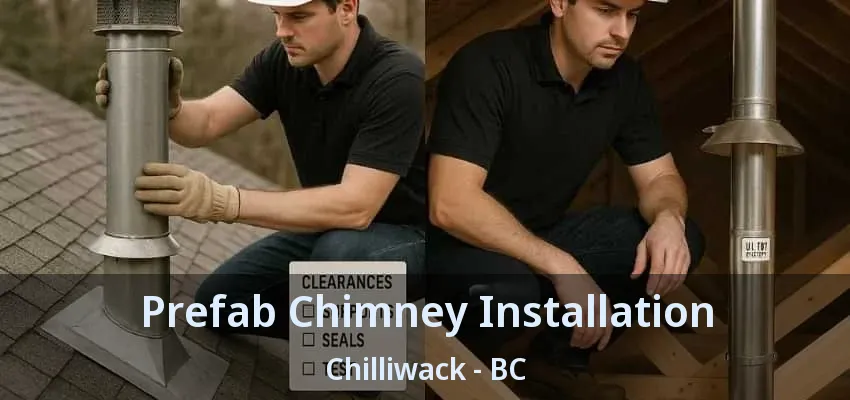
A prefab chimney, also called a factory-built chimney, is a manufactured system of insulated metal pipe sections, supports, firestops and a top termination, designed to vent a fireplace or stove made to work with it. Instead of brick and mortar, it relies on layers of metal and insulation to keep heat away from the surrounding framing. It is often enclosed in a framed chase finished to match the house. Prefab chimneys are lighter and quicker to install, and they are common in newer homes and additions, but they must be used only with compatible parts and appliances.
We will not quote serious chimney work without looking first, and that is a fair test of any company. From the roof we check the top of the stack, the crown, pots and caps, the flashing and the brick or siding. Inside we run a camera up the flue to see tiles, joints and any liner. At the bottom we look at the damper, smoke chamber and firebox. That full picture keeps us from selling a cosmetic fix for a structural problem, or the reverse. You end up with a plan built on evidence, which is also the easiest kind to compare against another quote.
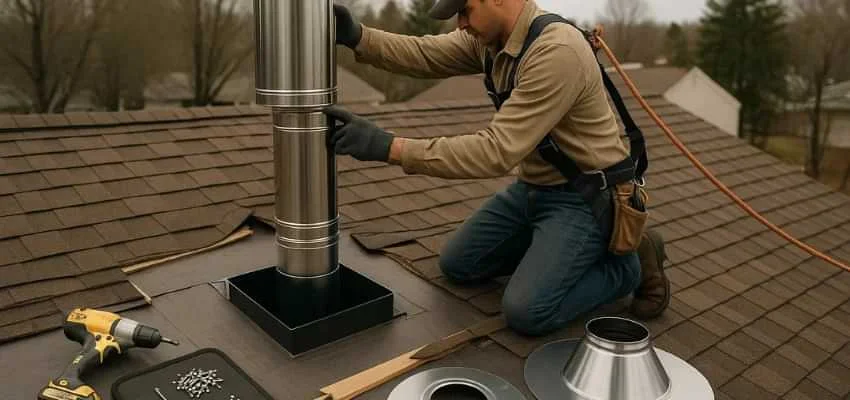
It goes in from the appliance up, after careful planning: we match the chimney system to the fireplace or stove, measure the route and check the framing above for joists, wiring and ducts in the way. Then we cut and frame openings, set firestops at each floor or ceiling, assemble the pipe and support it at the intervals the manual requires. On the roof we flash the penetration, fit the storm collar and termination cap and confirm the height above the roof. A simple run often finishes in a day; a run that needs a new chase takes longer.
Expect the crew to arrive, confirm the plan with you and protect the work area before anything else. Inside, that usually means drop cloths around the fireplace and sometimes plastic sheeting over the opening. Outside, ladders or roof equipment are set up and the area below the chimney is kept clear. The main work then follows the agreed scope, with pauses for materials to set if masonry or coatings are involved. At the end, the crew should clean up, show you the finished work or photos of it and explain any care instructions, including when the fireplace can be used again.
Factory-built fireplaces and chimneys are designed and tested together, so the installation instructions name the chimney system that can be used with each unit. Mixing parts from different makers, or pairing a chimney with an appliance it was not designed for, can change clearances, heat resistance and draft in ways nobody has tested. That can create a fire risk inside walls and ceilings. A careful installer checks the appliance’s documentation and nameplate before ordering parts. During factory-built chimney installation, every section, support and firestop should come from the matching system.
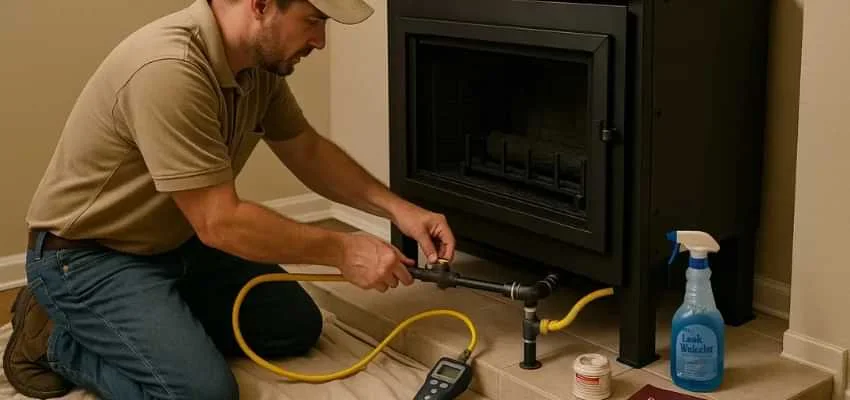
Anywhere from a short visit to several days, and we plan it around the size of the job, the access and the materials. A repellent on a dry, accessible chimney or a single pot swap is quick. A new liner or a prefab chimney through a finished ceiling and roof usually fills a day. A remodel that changes the height or face of a masonry chimney is measured in days, partly because new work has to cure before the next layer goes on. We also watch the forecast, since rain and frost decide when masonry and coatings can be done well.
Some chimney work can be done in almost any weather, but masonry, crown work and water repellents need mild, dry conditions. Mortar and concrete should not freeze while they cure, and coatings need dry brick to soak in properly, so those jobs are usually planned for spring through fall. Liner installation, pot fitting and some interior work are less sensitive, though roof access still depends on ice, wind and rain. Booking ahead of the cooler months gives the widest choice of dates. If the forecast turns, a careful company will reschedule rather than rush.
Plan the route and the finish together. Decide where the fireplace or stove will sit, then check what lies above it, such as joists, wiring, plumbing or ducts, because the chimney needs a clear path with the required space to combustible materials. Think about how it will look outside: a metal pipe with a cap, or a framed chase finished to match the siding. Ask whether a permit or inspection is required where you live. Sharing photos of the room and roof when you request quotes for “prefab chimney installation” helps the installer plan accurately.
Homeowners can safely handle the watching and the basics, while anything on the roof or inside the flue belongs with a professional. Safe tasks include burning only dry, seasoned wood, keeping the hearth clear, opening and closing the damper to check it moves, looking at the chimney from the ground with binoculars and checking walls and ceilings near the chimney after storms. Do not climb onto the roof, apply sealers yourself, work on liners or touch gas appliance venting. A carbon monoxide alarm on each level of the home is a simple, important step.
Parts of a home that have been in place for decades, from chimneys to ductwork, often hide earlier fixes and pieces that are no longer made. We check what is really there first, then talk through realistic options with you. Ask about factory-built chimney installation for your setup in Chilliwack.
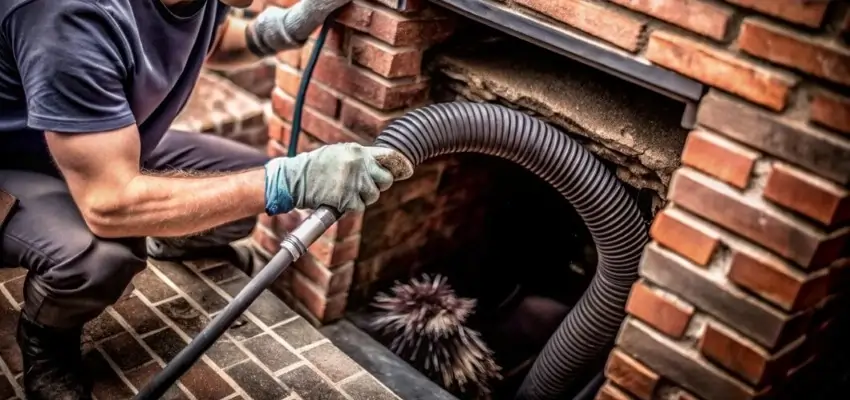
Less smoky smell, steadier flames: Chimney Cleaning around Chilliwack

Chimney Sweep visits that leave Chilliwack living rooms clean
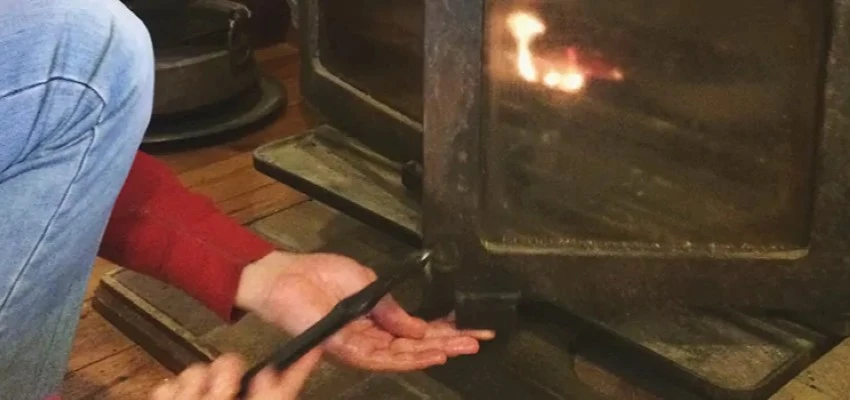
Swept and checked: Chimney Sweep Services in Chilliwack
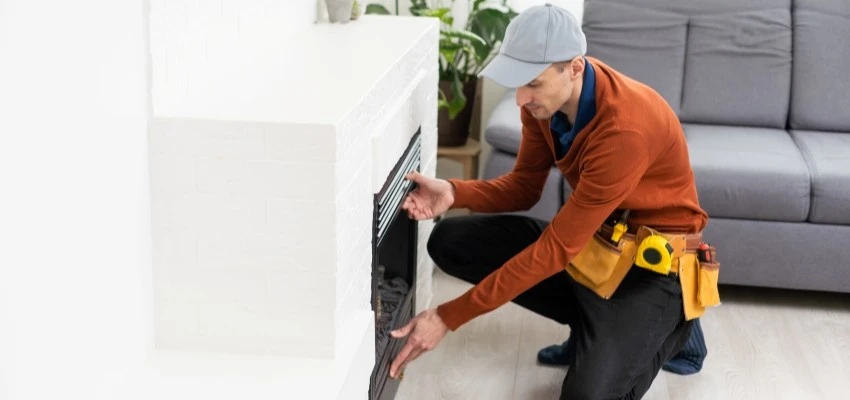
What Fireplace Experts check in your Chilliwack chimney
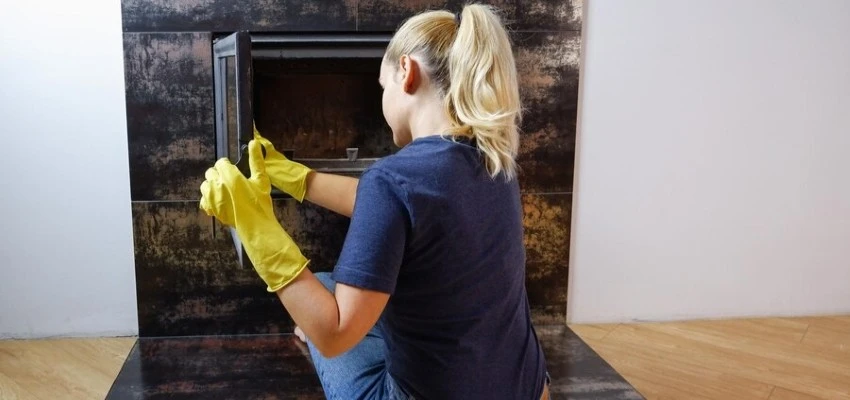
Hazy glass and dusty logs? Gas Fireplace Cleaning in Chilliwack
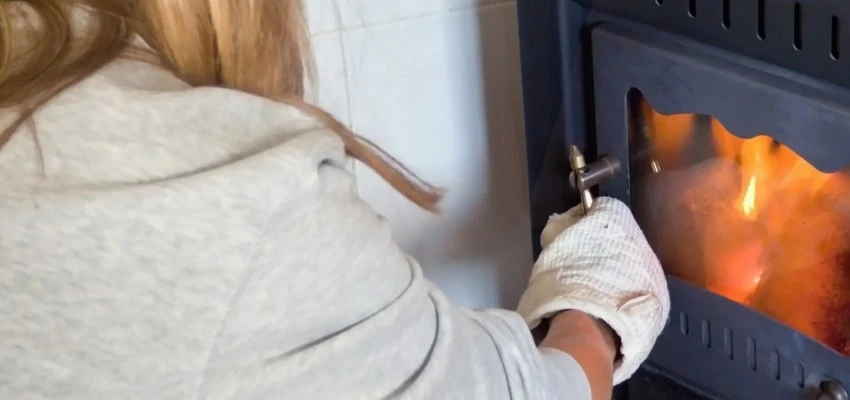
Catch a weak thermocouple early with Gas Fireplace Maintenance