Fireplaces and stoves tend to show their faults when they go back to work after a long rest: a pilot that will not catch, glass that clouds over or, on a wood unit, smoke that puffs out when the door opens. If that sent you looking for “quadra-fire fireplace”, you are in good company, and most of these problems have ordinary explanations. Below, households in Chilliwack will find practical answers about Quadra-Fire stove and fireplace service: what tends to wear out, what a technician checks and what you can safely look at yourself.
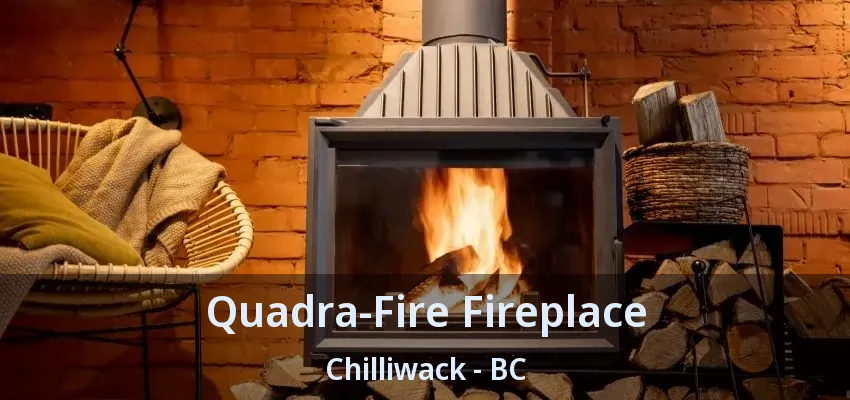
Only in the details; the principles carry over. A thermocouple on one gas fireplace does the same job as on another, yet the mounting, length and connection can differ, and an electronic ignition board from one generation rarely fits the next. Wood stoves are similar, since baffles, air tubes and door latches vary by model even inside one product line. In practice, the first few minutes of every visit go to confirming exactly what we are looking at. After that, the diagnosis follows a routine any trained technician would recognize, and parts are matched to the model, not to the brand in general.
Pellet stoves need more frequent cleaning than most owners expect, because ash collects in the burn pot, the heat exchanger and the exhaust path every time they run. Quadra-Fire is one of the brands that offers pellet models alongside wood and gas units, so if your “quadra-fire fireplace” search is about a pellet stove, mention it when you book. Typical service includes cleaning the burn pot and exhaust passages, checking the igniter, auger and combustion blower and inspecting door gaskets. Routine burn-pot and ash cleaning between visits follows your manual. Pellet stoves also depend on household power, so an outage stops them.
Smoke in the room comes from one of two things: a leak or weak draft. To find a leak, we close the door on a strip of paper at several points; if it slides out easily, the gasket is no longer sealing. We also look at the glass gasket and the seams where plates meet. For draft, we check the flue for creosote or a blocked cap, look at how the stovepipe is routed and ask how fires are started. A cold chimney, a tight house with exhaust fans running and damp wood can each make a perfectly good stove smoke.
Our gas fireplace checklist starts with safety and ends with appearance. First come the gas connections, tested for leaks, and the venting, inspected inside and at the outside cap. Then the ignition: pilot or spark, sensor output and how quickly the main burner lights. We clean dust and lint from the burner ports and the control area, since blockages cause lazy flames and soot. Logs, rocks or glass media go back exactly as the manufacturer drew them. Finally, we run the unit long enough to watch a steady flame and confirm the blower and controls respond.
Once a year suits most households, and we adjust from there. A gas fireplace that runs every evening through the colder months collects more dust in the burner and more wear on its ignition than one lit a few times a season. A wood stove used as a main heat source may need its flue swept more than once in a winter. We note what we find at each visit, such as how dirty the burner was or how much creosote came out, and suggest the next date from that. Your manual’s recommendation is the baseline; your usage fine-tunes it.
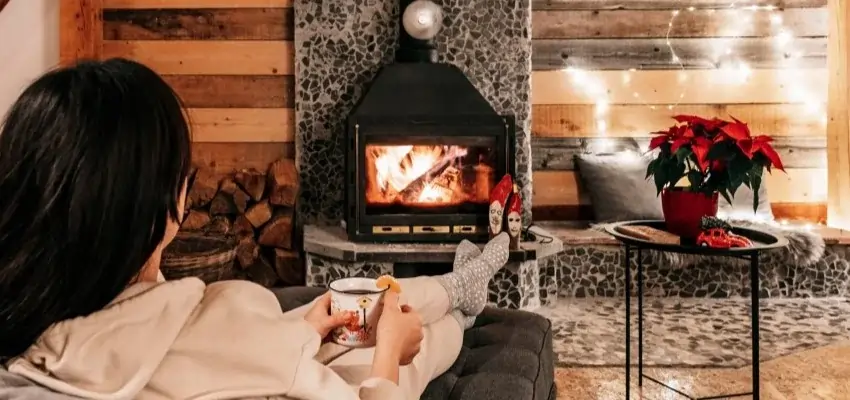
Prepare by letting the unit cool completely and clearing the space around it. Turn a gas fireplace off several hours before the appointment, and do not light a wood stove that day so the firebox is cold. Remove decorations, screens, rugs and anything stored on the hearth or mantel, and leave a clear path from the door. If the vent ends outside, make sure the technician can reach it. Have the manual and any past service paperwork ready, keep pets in another room and plan to be home to describe the problem and hear what was found.
Yes, and we often ask for them. A picture of the label tells us the exact model, so we can check the parts list before setting out. A photo of sooty glass, a lazy yellow flame or a cracked firebrick narrows the problem. Video is even better for ignition faults, since the sequence of clicks, sparks and flames says a lot about which part is failing. Pictures also help with quoting, because we can see how the unit is built in and how much access we will have. We still confirm everything in person before recommending a repair.
After a repair, the unit should start and run normally, though a brief smell from new parts, gaskets or paint is common during the first hour or two of use. Open a window and let the fireplace run for a while to help it burn off. Ask the technician what was replaced and keep that note with your manual. Watch the flame or fire for the first few uses: it should look steady and clean, without soot on the glass. If the original problem returns or a new symptom appears, call back promptly rather than waiting for it to settle.
Any technician experienced with the type of unit you own, whether it burns wood, gas or pellets, can work on it by following the manufacturer’s instructions for that model. Chimney Sweep Chilliwack is an independent service company with no affiliation to the brand; we identify your unit from its label and use the parts its manual lists. When you compare companies after a “quadra-fire fireplace” search, ask which fuel types they service, since pellet and gas work call for different skills from wood stove work. A clear answer and a willingness to look up your model are good signs.

A good visit looks at the whole system around your stove, not just the part you asked about. That is how Chimney Sweep Chilliwack approaches every home in Chilliwack. Book Quadra-Fire stove and fireplace service and get a complete, honest overview of where things stand.
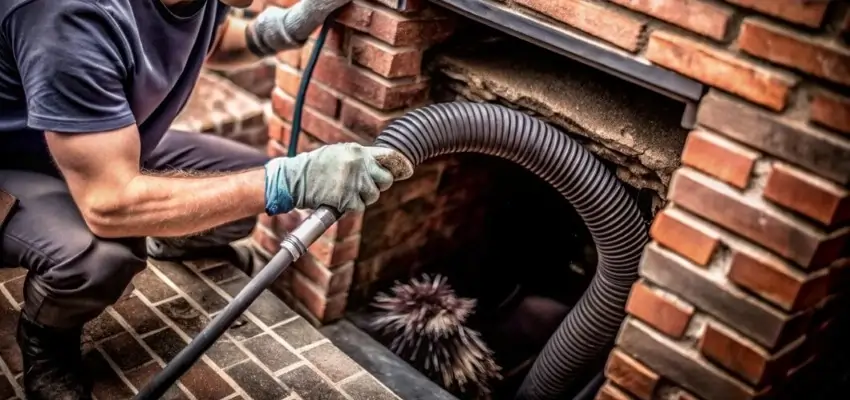
Less smoky smell, steadier flames: Chimney Cleaning around Chilliwack
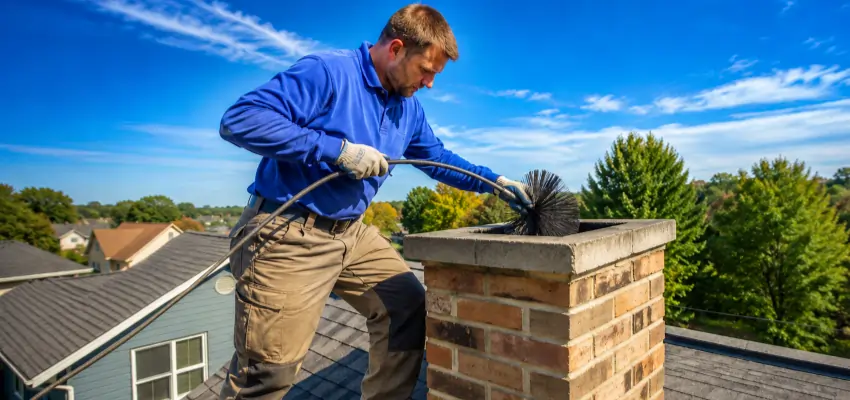
Chimney Sweep visits that leave Chilliwack living rooms clean
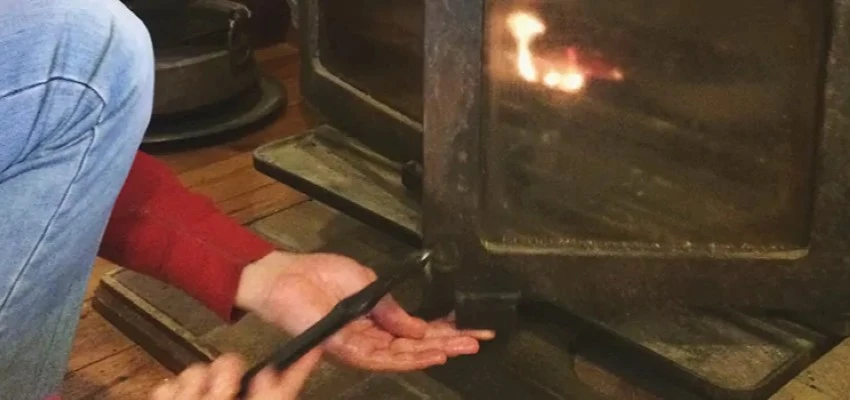
Swept and checked: Chimney Sweep Services in Chilliwack
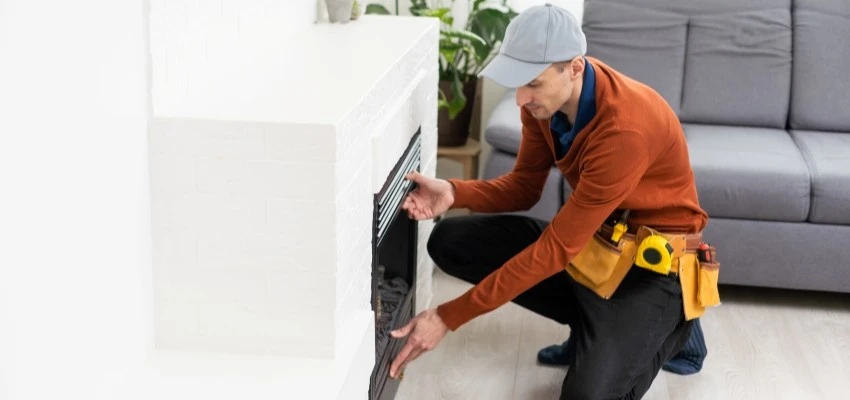
What Fireplace Experts check in your Chilliwack chimney
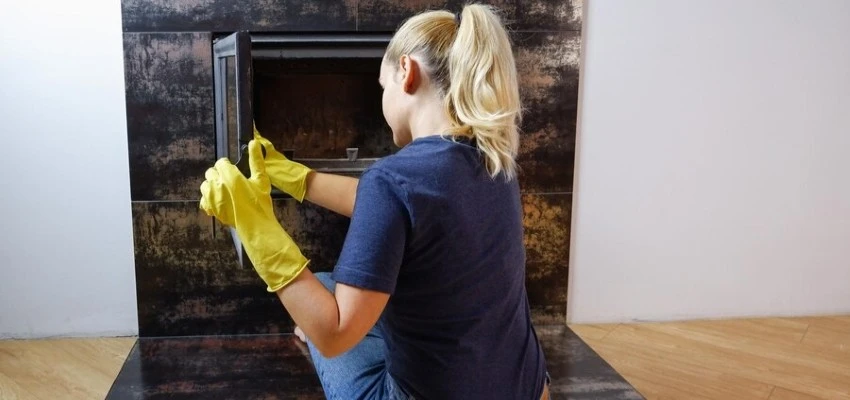
Hazy glass and dusty logs? Gas Fireplace Cleaning in Chilliwack
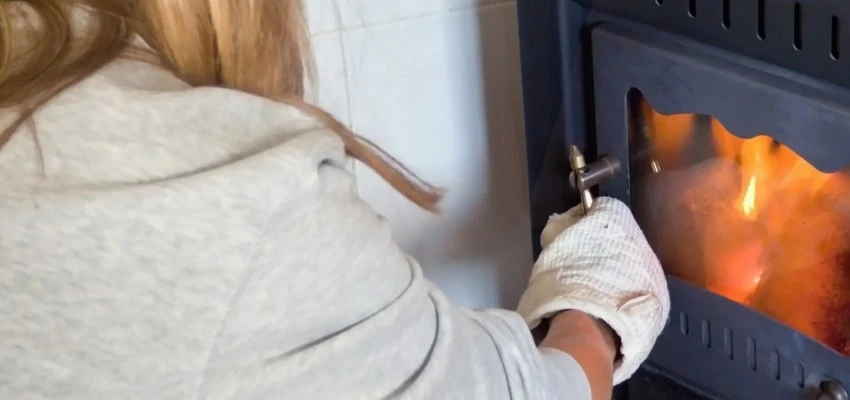
Catch a weak thermocouple early with Gas Fireplace Maintenance