Bought a house with a fireplace you have never lit? Inherited a stove with a name you do not recognize? Searching for “regency fireplace products” is a reasonable first move, and this guide picks up from there. It walks through the everyday questions about Regency fireplace and stove service that homeowners in Chilliwack bring to our technicians, including how often a unit should be looked at, how long repairs take and what to have on hand when you call.

The main difference is how each one fits the house, which decides how much room we have to work. An insert lives inside an older fireplace opening, wrapped by a surround panel and tied to a chimney liner, so its controls, blower and connections are packed into a tight space. When a part fails behind the firebox, we may need to pull the insert forward, which takes care and sometimes a second pair of hands. A freestanding stove lets us work from the sides and back, and its flue connection is easy to see. The repair itself is similar; the setup time is what changes.
Regency’s range covers gas and wood-burning fireplaces, inserts and stoves, so the answer depends on your home. People searching for “regency fireplace products” often have one of these types in mind without knowing which. The quickest way to tell is the rating label and a look inside: a burner with logs or stones means gas, while firebricks and an air control mean wood. Knowing the type matters for service, because gas units need ignition and venting checks and wood units need seals, baffles and chimney care. Chimney Sweep Chilliwack services both as an independent company.
Film on fireplace glass usually tells you something about how the fire is burning. On gas units, a white haze is common and builds up from minerals and byproducts in the combustion gases; it can be cleaned with a product made for fireplace glass, since ordinary cleaners may etch it, ideally during a service visit on sealed units. Black soot on gas glass is different and suggests the flame is not burning cleanly, often because of misplaced logs, dirt in the burner or a venting issue. On wood stoves, brown or black staining usually comes from smoldering fires or damp wood.
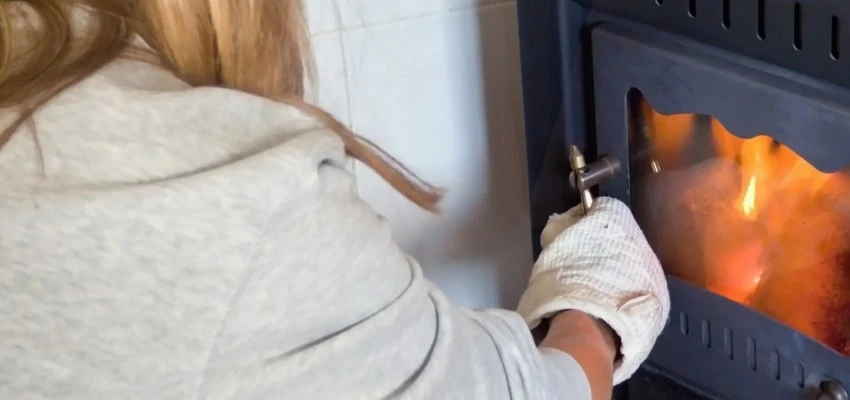
A wood stove tune-up focuses on the seals, the parts inside the firebox and the connection to the chimney. The technician checks that the door and glass gaskets still seal, inspects firebricks for cracks, looks at the baffle and any secondary air tubes for warping and tests the air control and door latch. On stoves with a catalytic combustor, its condition is checked too. The flue connection and the chimney itself should be inspected and swept as needed, since creosote buildup affects both safety and draft. Many owners book this before the heating season begins.
Yes, the accessories that come with or are added to a fireplace, such as blowers, remotes, wall thermostats and decorative surrounds, can usually be serviced or replaced on their own. Blower kits wear out from dust and heat, remote systems lose their pairing or batteries, and thermostats can drift. The key is matching the accessory to your exact model, since kits are designed for specific units. When you book Regency fireplace and stove service, list any add-ons your unit has, so the technician can check them along with the main appliance rather than on a separate visit.

The most helpful thing is a cold, clear fireplace. We cannot safely open a unit that is still hot, so a gas fireplace switched off a few hours early and a stove left unlit since the day before save real time. We also need room to lay down drop cloths and set out tools, which means moving furniture, mantel décor and anything on the hearth. Outside, a clear route to the vent cap helps. If your fireplace has a wall switch, remote or thermostat, keep it handy. Pets tend to be happier in another room while panels come off.
Yes, photos often help a technician prepare and bring the right parts. The most useful ones show the rating label, the whole unit from the front, the control area behind the lower grille if it is easy to see, and the flame or fire while it is running. A short video of what happens when you try to start it can reveal a lot. For wood stoves, include the door gasket, the glass and the stovepipe. Do not remove panels or touch gas parts to get a shot. Photos cannot replace a hands-on check, but they can shorten it.
Specific symptoms help most, along with the label information and the age of the unit if you know it. “It will not turn on” could mean no spark, a pilot that lights and drops out or a burner that never follows; each points somewhere different. Tell us whether the fireplace runs on a remote, a wall switch or a thermostat, whether it has power to it and when it was last serviced. For wood stoves, mention how the fire behaves and what wood you burn. Short videos of the startup are surprisingly useful, since they let us hear and see the sequence.
Ask these before anyone arrives:
Mention anything that worries you, such as a noise, a weak flame or soot on the glass, so the technician arrives prepared. Straight answers here usually mean a straightforward visit.

Renovations, inspections and sales are all good reasons to check the parts of a home that are usually out of sight. We can fit the visit around your contractors or your listing date. Request a quote for Regency fireplace and stove service and mention your timeline.
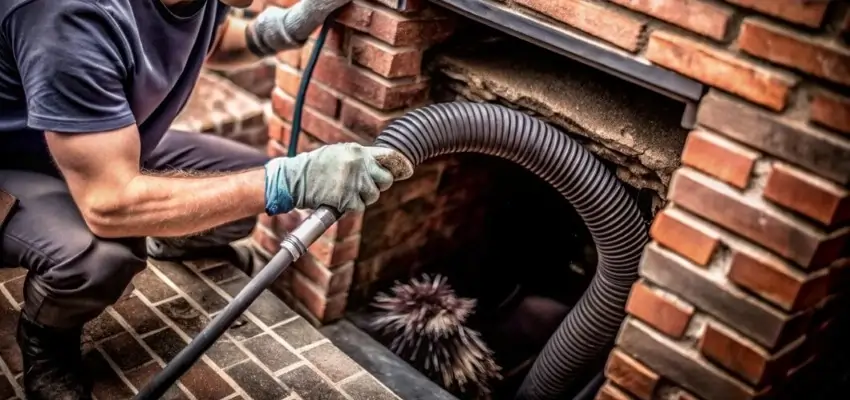
Less smoky smell, steadier flames: Chimney Cleaning around Chilliwack

Chimney Sweep visits that leave Chilliwack living rooms clean
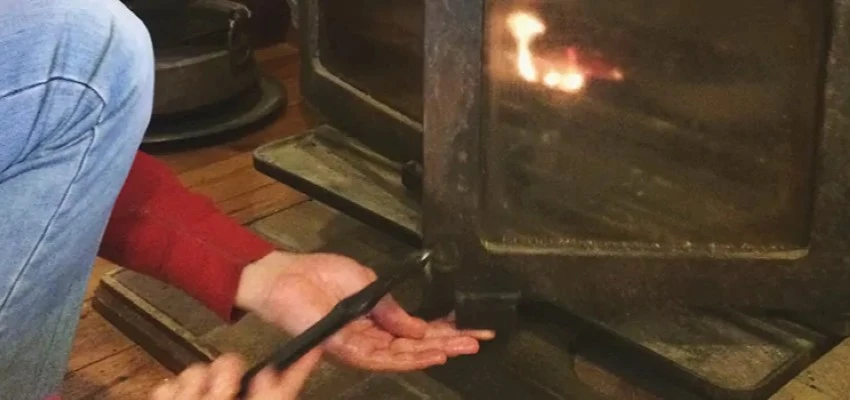
Swept and checked: Chimney Sweep Services in Chilliwack
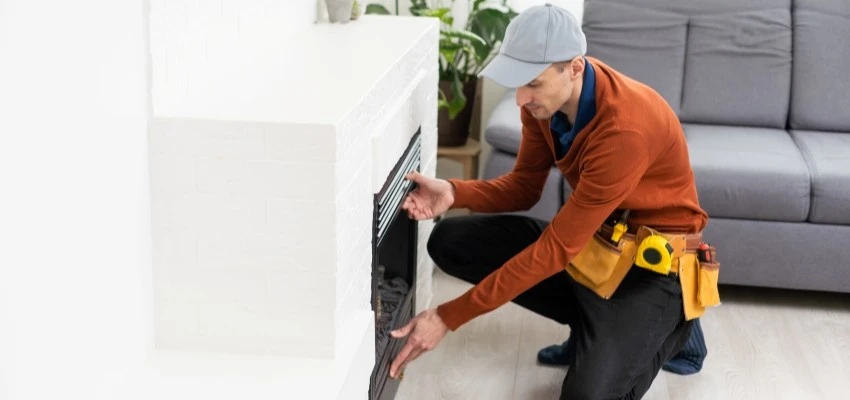
What Fireplace Experts check in your Chilliwack chimney
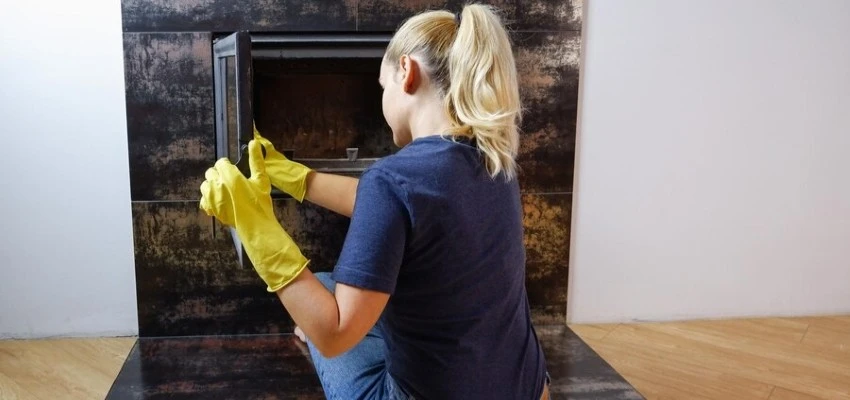
Hazy glass and dusty logs? Gas Fireplace Cleaning in Chilliwack
Catch a weak thermocouple early with Gas Fireplace Maintenance