Plenty of people around Chilliwack inherit a fireplace or wood stove along with a house and have no idea when anyone last looked at it. Typing “wood stove repair” into a search bar is a sensible first move. The questions below are the ones homeowners raise most often about wood-burning stove repair, answered in plain language and with the reasoning behind each answer, so you can judge what applies to your home and what does not.
Regular care catches problems that build slowly and out of sight, and a wood stove that has gone years without a visit shows exactly that pattern. The flue carries a crust of creosote, the cap is clogged with leaves or missing, and joints in the firebox have eroded from repeated heating. None of it happened overnight, and most of it would have been a simple fix earlier on. Neglect also hides things like a cracked flue tile or a rusted damper, which only show up when someone looks. Routine service is really about knowing the condition of a system you trust with an open flame indoors.
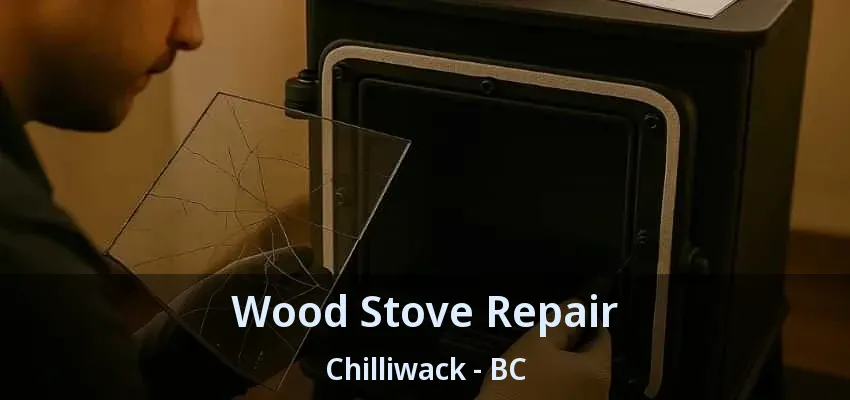
That depends on where the crack is and what the stove is made of. Cracked firebricks, glass and baffles are routine replacements. A crack in a replaceable cast iron panel may be fixable by swapping the panel, if parts are still available. A crack through the main body of a steel or cast iron stove is more serious, since it can leak smoke and air, and repair is often not practical. A technician can assess the crack and tell you honestly whether repair or replacement makes more sense. If you searched for “wood stove repair” after spotting a crack, stop using the stove until it is checked.
The main warning signs are smoke escaping into the room, a fire that is hard to control and visible damage to the stove. Watch for smoke leaking around the door or glass, a door that closes without a snug feel, glass that blackens within a single fire and a fire that keeps roaring even with the air control turned down. Cracked or crumbling firebricks, a warped baffle near the top of the firebox and rusted or loose stovepipe sections are also red flags. Because a leaking stove can release carbon monoxide, keep alarms working and stop using the stove until it is checked.
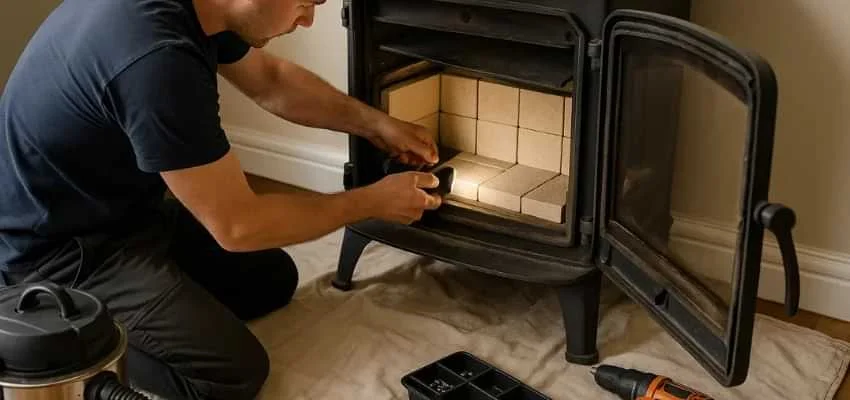
Most stove repairs we handle are replacements of wear parts rather than major surgery. A stove heats and cools again and again through a season, and the parts that take the most punishment are built to be swapped. Door rope is usually first, since a tired gasket changes how the whole stove burns. Firebricks crack from heat and from logs dropped in too hard. Baffle boards and secondary air tubes warp when a stove has been run too hot. We also replace handles, latches and hinges that loosen, and reseat glass that has shifted in its frame. A cracked body is a bigger conversation.
The old rope gasket is pulled out of its channel, and the channel is scraped clean of old cement. A new fiberglass rope of the correct diameter and density is set into a bead of high-temperature gasket cement, pressed into place and trimmed so the ends meet without overlapping. The door is then closed to seat the rope, and the stove is run with small fires at first while the cement cures. A simple test afterward is closing the door on a strip of paper: it should be hard to pull out at several points around the door.
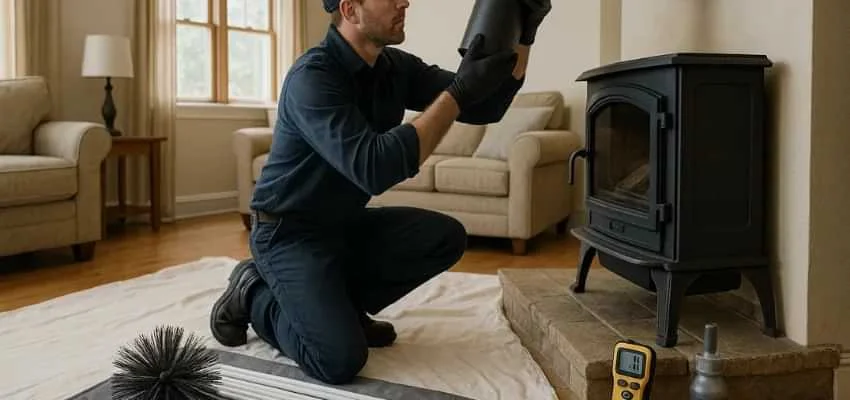
A wood stove is cleaned from the firebox outward, and the stovepipe gets as much attention as the chimney because it often holds more buildup. Elbows and horizontal runs are the usual trouble spots. We clear the ash and open up the firebox, removing the baffle so we can reach the flue collar. Depending on the setup, we brush the pipe in place or take it down, clean it outside and reinstall it with secure joints. The chimney is brushed through its full height. Before leaving, we check the gaskets, firebrick and air controls and wipe the glass so you can see the flames again.
The schedule depends on how much you burn and how cleanly, more than on the calendar. For a household with occasional fires, a yearly visit usually finds a light layer ready to come out. Someone heating with a stove every day may need cleaning before the season ends, especially if the wood is not fully seasoned. Signs between visits help too: black flakes on the hearth, slower starts and darker glass all suggest buildup is growing. Jot down the date of each sweep along with how heavy the deposits were, and after a season or two the right interval becomes clear.
Brisk, well-fed fires instead of long, smoky smolders are what keep a stove in good shape between cleanings. Low, choked burns all night are the main source of the heavy creosote we remove. Owners who watch a stove thermometer and stay in the recommended range, reload onto a good bed of coals and open the air for a few minutes after each reload end up with much lighter sweeps. Small checks help too: listening for a whistle at the door, which signals a gasket leak, and looking over the pipe joints now and then. Those habits will not replace cleaning, but they make each visit easier.
That depends on the repair: simple fixes can be used right away, while many masonry and sealing repairs need a curing period followed by a few small fires. Fresh refractory mortar, firebrick work and crown patches can crack if hit with high heat too soon. Stove gaskets set with high-heat cement and new glass seals also hold up longer after a few gentle first fires. A new damper handle, cap or screen usually needs no wait at all. Ask the technician for clear instructions on how long to wait and how small to keep the first fires, and follow them closely.
Moving brings a long list of unknowns, and the condition of your wood stove is one of them. A visit from Chimney Sweep Chilliwack replaces guesswork with a clear picture. Schedule wood-burning stove repair as part of settling in.
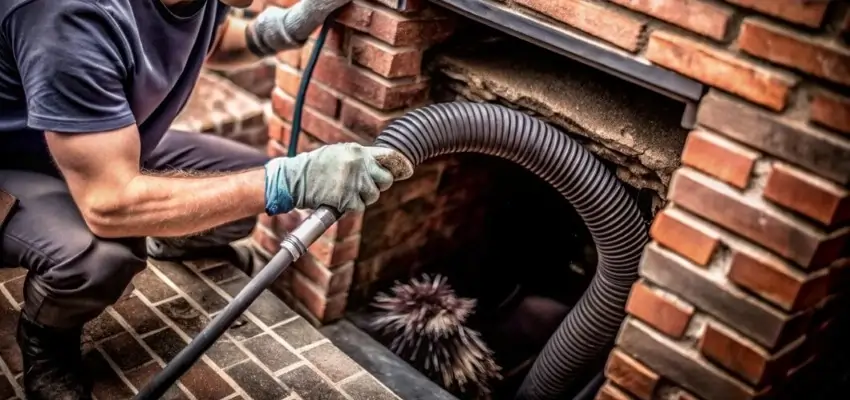
Less smoky smell, steadier flames: Chimney Cleaning around Chilliwack
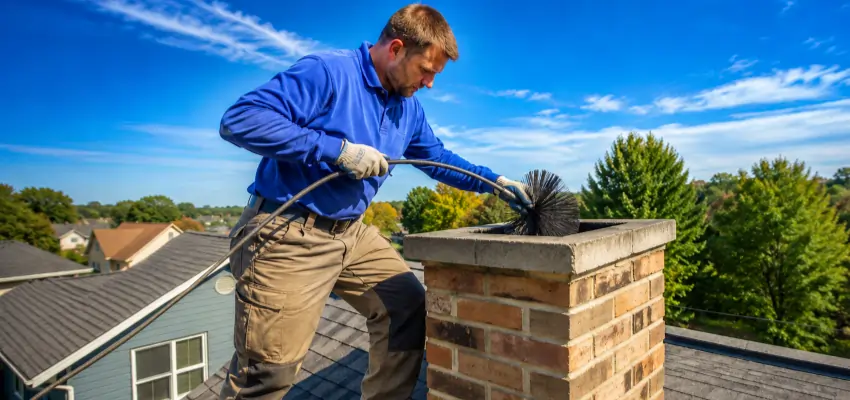
Chimney Sweep visits that leave Chilliwack living rooms clean
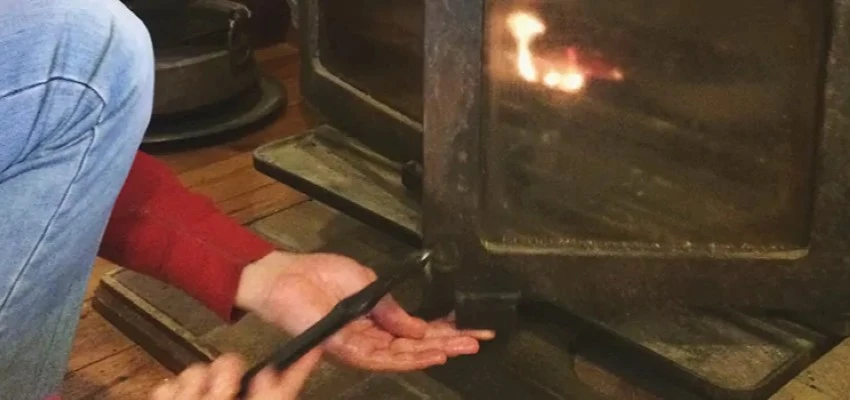
Swept and checked: Chimney Sweep Services in Chilliwack
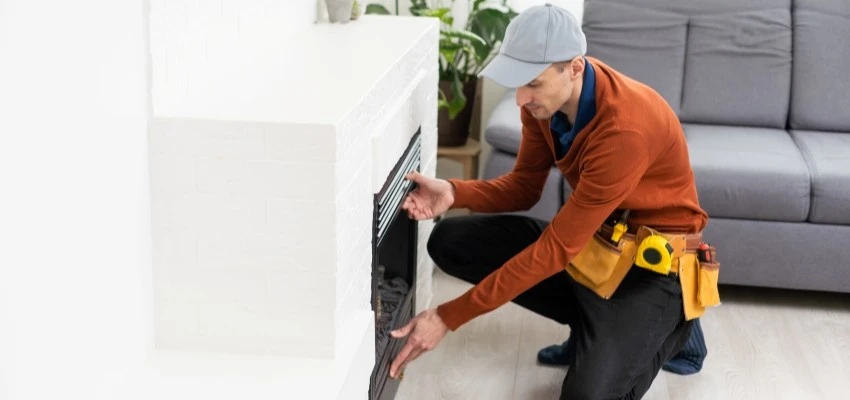
What Fireplace Experts check in your Chilliwack chimney
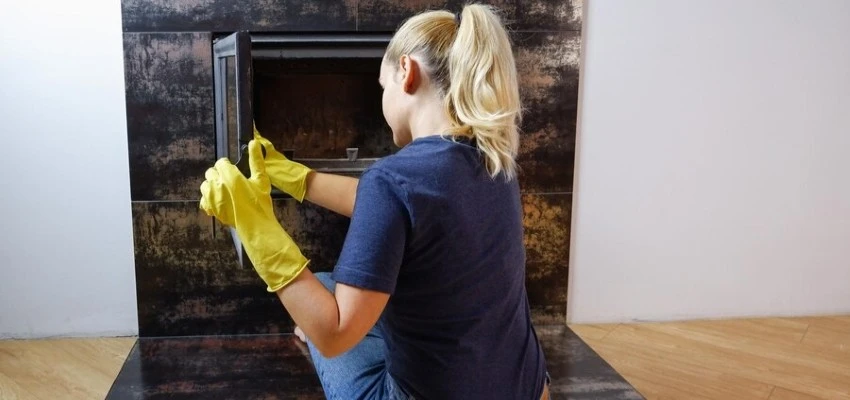
Hazy glass and dusty logs? Gas Fireplace Cleaning in Chilliwack
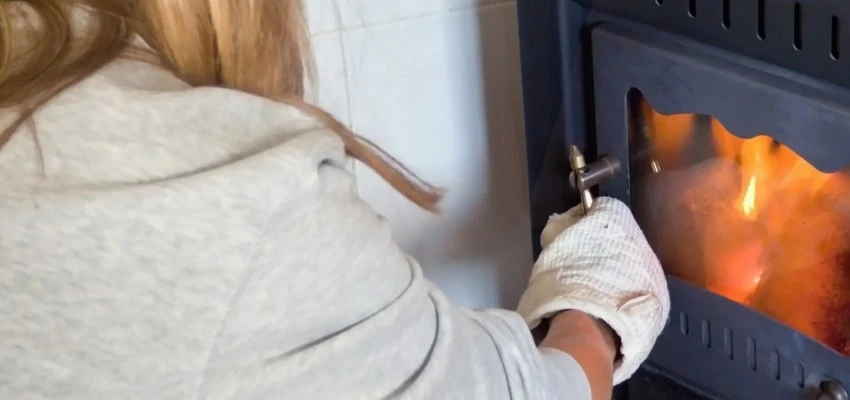
Catch a weak thermocouple early with Gas Fireplace Maintenance